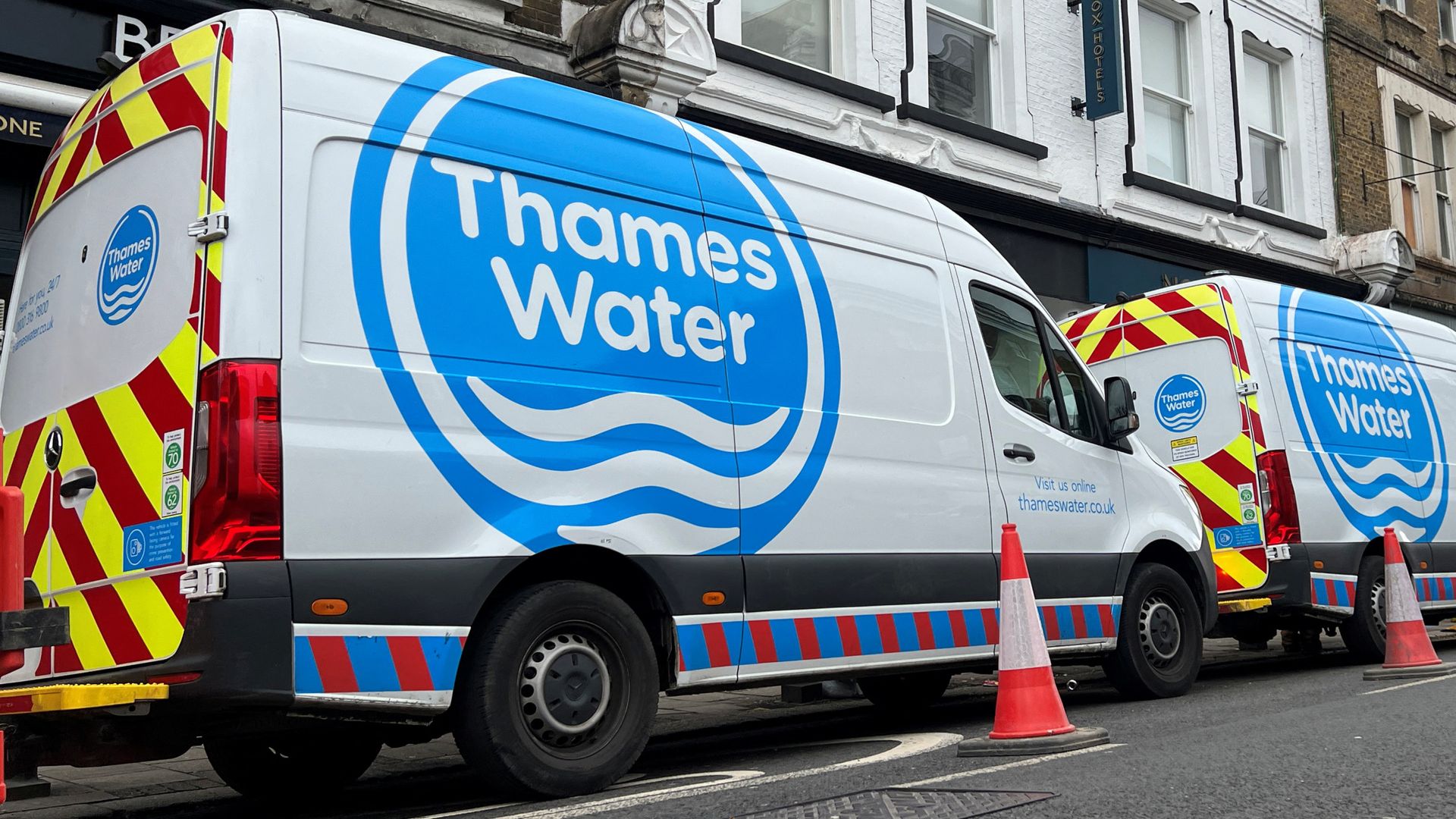
The taps are still running, but the money is dry.
Thames Water, Britain’s largest and most troubled water utility, is officially operating on borrowed time. The company just dropped its latest annual results, and they read like a corporate horror story.
We aren't just talking about a minor financial hiccup here. This is a massive systemic collapse that combines skyrocketing customer fury, a mountainous £18.5 billion debt pile, and an impending political showdown with incoming Prime Minister Andy Burnham.
If you live in London or the Thames Valley, this isn't just business news. It's a direct threat to your household bills, your local environment, and the stability of your water supply. Here is the reality of what's happening behind the scenes at Clearwater Court, and why the next few months will decide the fate of your water.
The Reality Behind the 101% Customer Complaint Spike
Thames Water's customer billing complaints didn't just rise; they doubled. A 101% surge in customer gripes doesn't happen by accident. It is the direct result of a highly controversial strategy. The company has been pushing through inflation-busting bill hikes, which have dragged the average combined annual bill up to £656.
Why are you paying more?
The official line from the regulator, Ofwat, is that these hikes are necessary to fund "record but overdue" investments in Victorian-era pipes and crumbling storm drains. But to the average customer, it feels like paying a premium price for a thoroughly broken service.
To make matters worse, Thames Water only managed to meet 55% of its regulated targets this past year. Let's look at the actual performance:
- Pollution: Total pollution incidents "fell" to 386 from 470. While the company tried to spin this as progress, it openly admitted that this still represents a failed target.
- Wastewater: Citizen testing along key waterways continues to show staggering levels of contamination. In places like Henley, treated effluent was found to contain E. coli at levels 30 times higher than what is deemed safe for bathing water.
- Infrastructure: The company missed key targets across the board, including those for persistent pipeline leaks and disruptive supply outages.
It’s easy to see why customers are furious. You're being asked to bail out decades of corporate neglect through your monthly direct debits.
The Andy Burnham Factor and the Nov 2026 Funding Cliff
While customer anger is boiling over, a far larger existential threat is looming on the corporate horizon. Thames Water only has £1.1 billion in cash reserves left. That sounds like a lot of money, but for a giant utility servicing 16 million people, it's pocket change.
That money is officially scheduled to run out by November.
Thames Water CEO Chris Weston is trying to put a brave face on things. He claims that supportive major creditors have issued a "letter of support" indicating they will extend financial backing into next year. But there is a massive catch.
Those creditors are holding back on releasing actual funds until they see what the incoming Burnham-led government intends to do.
Andy Burnham has made his views on the water sector crystal clear in the past: he supports public ownership. He believes the current system of privatised water is fundamentally broken, citing years of shareholders stripping out dividends while piling on debt and dumping raw sewage into rivers.
Weston candidly admitted to Sky News that the transition of power "heightens the risk" of a total collapse in bailout talks. The creditors want to keep their money safe, but they aren't going to throw billions of pounds into a sinking ship if the new Prime Minister plans to nationalise it anyway.
It’s a classic standoff. Creditors won't lend without political certainty, and the political leadership has no interest in rescuing private investors who made bad bets.
Why Bills Alone Can't Save This Sinking Ship
Can Thames Water simply charge its way out of this mess?
Absolutely not. Even if Ofwat allowed further catastrophic bill increases, the math simply doesn't work. The company's debt has ballooned from £16.8 billion to a staggering £18.5 billion in just one year.
As Chris Weston himself pointed out, "Bills alone cannot fund the required investment." The company desperately needs a massive injection of third-party equity—a complete recapitalisation.
But who in their right mind would invest fresh capital into Thames Water right now?
Back in early 2024, the company’s existing shareholders pulled the plug, declaring the business completely "uninvestable." Since then, the financial situation has only decayed further. The company is trapped in a vicious cycle:
- Poor performance leads to massive regulatory fines and public outrage.
- Fines and debt service eat up all available cash flow.
- Lack of cash means infrastructure upgrades are delayed or missed entirely.
- Missed targets lead to more complaints, more fines, and further reputational damage.
What Happens if Thames Water Goes Under?
If you are a Thames Water customer, you are probably wondering what this actually means for your daily life. Will the taps dry up if the company declares bankruptcy?
No. The government has a safety net specifically designed for this scenario: Special Administration.
If Thames Water runs out of money in November and cannot secure a rescue deal, the government will step in to take temporary control. A special administrator would run the daily operations to ensure that clean water keeps flowing to your home and wastewater keeps being treated.
However, Special Administration is not a magic wand. It is a highly complex, incredibly expensive process that would ultimately be funded by taxpayers. It would also likely freeze any major, non-essential infrastructure upgrades, meaning the sewage spills and pipe leaks you see in the news today could continue for years to come.
The Immediate Action Steps for Customers
If you are currently a customer of Thames Water, you shouldn't just sit back and watch this play out on the news. You need to take active steps to protect your household finances:
- Audit Your Billing History: Given that billing complaints have doubled, check your water meter readings against your actual bills. Do not rely on Thames Water's estimated readings.
- Log Every Issue Immediately: If you experience low water pressure, supply disruptions, or suspect a local leak, document it and file an official complaint. Do not let issues slide.
- Escalate Unresolved Disputes: If Thames Water fails to resolve your billing or service complaint within eight weeks, take the case directly to the Consumer Council for Water (CCW). They have the power to force the company's hand, and they are already rating Thames Water's complaint handling as "poor."
- Prepare for Continued Hikes: Budget for the reality that water bills are going to remain high. Even if the company is nationalised or restructured, the cost of fixing these decades-old pipes will eventually find its way back to the public, either through bills or taxes.