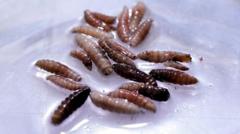
The worst-case scenario for American livestock ranchers just crawled into a South Texas pasture. On June 3, 2026, the U.S. Department of Agriculture confirmed the first domestic case of New World screwworm in decades. The parasitic, flesh-eating larvae turned up in the umbilical tissue of a three-week-old calf near La Pryor in Zavala County.
If you own livestock, manage land, or just care about the price of beef, this isn't something to ignore. A widespread outbreak could punch a $1.8 billion hole in the Texas economy alone. Feeder cattle futures already took a dive, dropping more than $5 per hundredweight across multiple contracts the moment the news broke.
But before you panic and assume the entire food supply is compromised, let's get the facts straight. The meat you buy at the grocery store is safe. Screwworms don't infest harvested meat, fruits, or vegetables. This is an animal welfare and herd management crisis, not a food poisoning threat. Here is what's actually happening on the ground and exactly how to protect your animals.
The Flesh Eating Parasite Back in Texas
We haven't seen New World screwworm (Cochliomyia hominivorax) in the American cattle population for over half a century. The pest was officially eradicated from the United States in 1966. For decades, a massive international effort kept a biological barrier intact at the Darien Gap in Panama.
That barrier failed. The parasite has been marching steadily northward through Central America and Mexico for the last three years. Just days ago, officials found an infestation 25 miles south of the border in Coahuila, Mexico. Now, it has officially crossed the Rio Grande.
The adult screwworm fly looks like an ordinary housefly at a glance, but its behavior is sinister. A single female can lay up to 300 eggs at the edge of any tiny puncture, scratch, or tick bite on a warm-blooded animal. Within 12 to 24 hours, those eggs hatch into maggots equipped with sharp, hook-like mouthparts. They literally screw their way into living tissue, eating the host alive.
Left untreated, the infestation is fatal. It attracts more flies, creates massive secondary infections, and can destroy a young calf or a vulnerable deer in days.
Inside the Containment Zone
The USDA and the Texas Animal Health Commission didn't get caught flat-footed. They immediately established a 20-kilometer (12-mile) infested zone centered on the Zavala County detection site.
Inside this zone, strict animal movement controls are active. You can't just load up a trailer and haul cattle out of the area without meeting specific inspection and clearance protocols. The goal is simple: box the parasite in before it Hitches a ride north.
Agriculture Secretary Brooke Rollins pointed out that humans, not the flies themselves, are the primary drivers of rapid screwworm expansion. The adult fly doesn't travel massive distances on its own. It spreads when people unknowingly transport an infested animal or when a pet carrying larvae rides in a vehicle.
To crush the local population, officials are deploying the sterile insect technique. This strategy relies on releasing millions of factory-reared, irradiated male flies into the wild. Because female screwworm flies only mate once in their lifetime, breeding with a sterile male results in unviable eggs, causing the population to collapse. The USDA is currently dumping 4 million sterile flies per week aerially over the region and setting up ground release chambers to blanket the hot zone.
Spotting an Infestation Before It Is Too Late
You can't manage what you don't see. Because screwworm larvae hide beneath the surface of the skin, early infestations are incredibly deceptive. For the first 24 to 48 hours, you might just see a tiny pocket of movement inside a wound.
As the larvae grow and feed, the signs become undeniable:
- A distinct, foul-smelling discharge that is often bloody or serosanguineous (a mix of blood and clear fluid).
- An artificial enlargement or deepening of what should be a minor scratch or brand.
- Extreme discomfort in the animal, characterized by constant kicking, biting at the wound, or isolating itself from the herd.
- A sudden drop in weight or visible lethargy, especially in newborn calves where the navel is the prime target.
Look closely at the maggots if you find them. Screwworm larvae are shaped like wood screws, with distinct rings of dark spines around their bodies. If you see deep burrowing into live, red flesh—rather than just feeding on dead tissue on the surface like common blowfly maggots—you need to sound the alarm immediately.
Real Actions for Livestock Owners
If you have animals anywhere in South or Central Texas, the era of passive herd monitoring is officially over. You need to adjust your daily management practices right now to minimize the risk of your property becoming the next statistic.
Tighten Your Breeding Windows
Newborn calves are highly vulnerable because their fresh umbilical cords are an easy target for female flies. The Zavala County case occurred in a three-week-old calf's navel. If possible, manage your breeding schedule so calving occurs during cooler months when fly activity naturally drops. If you have calves hitting the ground right now, they must be checked daily.
Postpone Elective Surgeries
Delay non-essential procedures that create open wounds. If you don't absolutely have to castrate, dehorn, or brand your animals during peak fly season, wait. If these procedures are unavoidable, treat the surgical sites immediately with topical protectants and keep the animals under close observation until the wounds fully scab over.
Implement Aggressive Wound Care
Any scratch from a barbed-wire fence, a fly bite, or an ear-tag wound needs immediate attention. Clean the area thoroughly and apply an approved larvicide or wound dressing. Keep the wound covered or chemically protected until it completely heals.
Do Not Move Suspect Animals
If you find a suspicious wound full of maggots, do not load the animal onto a trailer. Moving that animal could spread the parasite to a completely clean county. Keep the animal isolated, contact your local veterinarian or the Texas Animal Health Commission immediately, and request guidance on collecting a sample.
You can collect larvae using tweezers and place them in a small container filled with rubbing alcohol to preserve them for lab testing. Let the state authorities confirm what you are dealing with before you take any next steps.