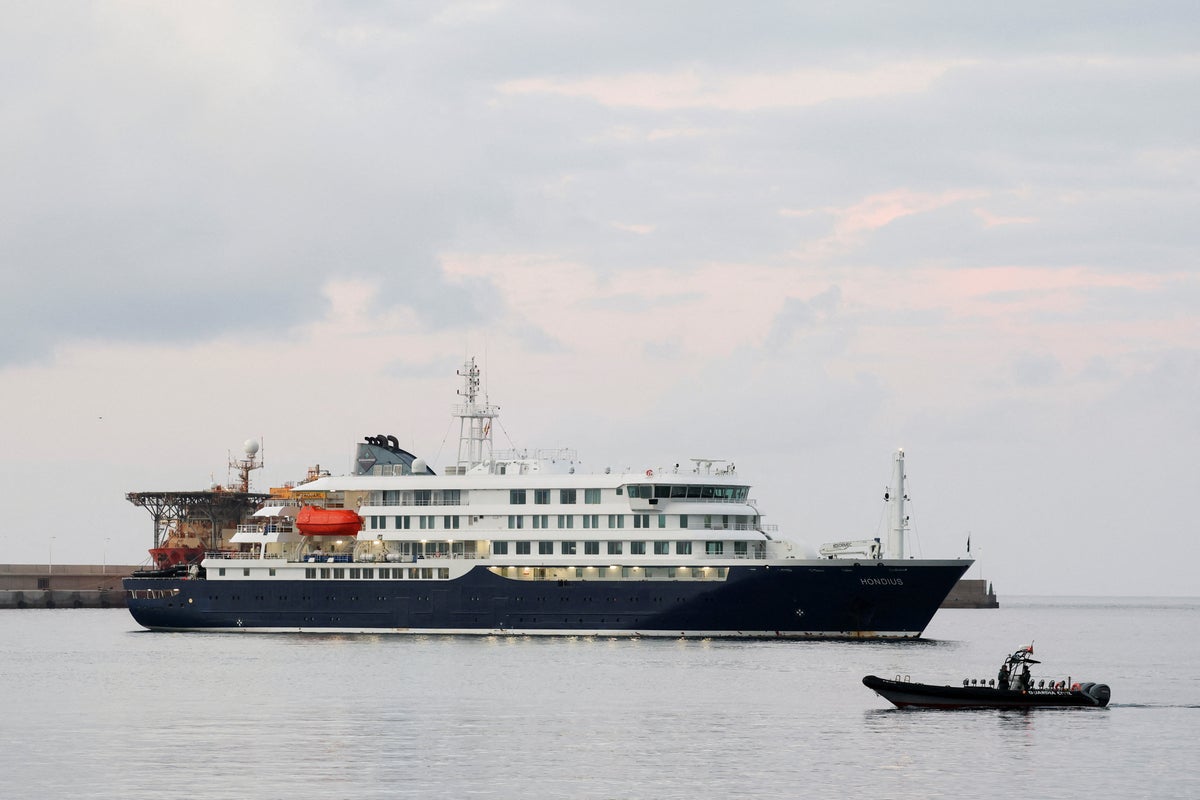
The scene off the coast of Tenerife looks like something out of a high-budget thriller, but the reality is much more sobering for the thousands of passengers trapped in limbo. Spain has initiated an emergency evacuation of a cruise ship following a confirmed outbreak of Hantavirus. It's a move the Spanish Ministry of Health calls "unprecedented," and frankly, they're right. We don't usually see respiratory viruses associated with rural rodents causing a maritime lockdown of this scale.
If you’ve been following the news, you know the basics. A luxury vessel is sitting idle while specialized medical teams in biohazard gear ferry patients to land. But what the mainstream reports aren't telling you is how this virus, typically found in the dusty corners of barns or sheds, managed to infiltrate a sterilized floating hotel. It's a nightmare scenario that exposes every single flaw in our modern travel infrastructure.
Why Hantavirus on a Cruise Ship Is So Bizarre
Hantavirus isn't your run-of-the-mill seasonal flu. It’s a severe viral disease spread by rodents—specifically through contact with their urine, droppings, or saliva. In most cases, people get sick by breathing in contaminated dust when they're cleaning out an infested space.
So, how does that happen on a billion-dollar cruise liner?
The working theory centers on contaminated supplies or a localized infestation in the ship's lower decks where food and linens are stored. It only takes one infected mouse in a dry-goods container to turn a ventilation system into a delivery mechanism for viral particles. Once the virus goes airborne in a confined space with recirculated air, the "luxury" of a cruise ship becomes its biggest liability.
The symptoms are brutal and deceptive. It starts with fever, muscle aches, and fatigue. You’d think you just have a bad cold or maybe a touch of seasickness. But then comes the "leakage" phase. Your lungs begin to fill with fluid, making it nearly impossible to breathe. This is Hantavirus Pulmonary Syndrome (HPS), and it has a mortality rate of around 38%. That’s why Spain isn't taking any chances with the Tenerife evacuation.
The Logistics of an Unprecedented Evacuation
Spain’s maritime authorities are currently executing a complex "bubble" transfer. They aren't just docking the ship and letting people walk off. That would be a public health catastrophe. Instead, they're using helicopters and specialized tenders to move the most critical patients to isolation wards at the University Hospital of the Canary Islands.
I’ve looked at the protocols being used. They’re extreme. We’re talking about negative-pressure transport pods and a complete shutdown of the port area. The Spanish government is essentially treating the ship as a giant petri dish. For the passengers still on board, the psychological toll is massive. They’re stuck in their cabins, listening to the whir of helicopter blades, wondering if the person in the next room is the one who brought the virus home.
The Spanish Ministry of Health has been uncharacteristically blunt. They’ve admitted that the scale of this operation is stretching their local resources to the limit. Tenerife is a tourist hub, not a fortress built for biocontainment. This isn't just about the people on the ship; it's about protecting the islands from a virus that doesn't belong there.
Where Most People Get Hantavirus Facts Wrong
There’s a lot of misinformation floating around social media right now. Let’s clear some of it up.
First, Hantavirus generally does not spread from person to person. You won't catch it just by talking to someone who has it. The danger on the ship comes from the source—the contaminated environment. If the ventilation system is compromised, everyone breathing that air is at risk. That's why the "unprecedented" nature of this evacuation is so specific. It’s not about a contagious cough; it’s about a contaminated vessel.
Second, this isn't a "Spanish" problem. It’s a global shipping problem. The ship involved had visited several ports across different continents before arriving in the Canary Islands. Rodents are the ultimate stowaways. They’ve been hitching rides on ships since the dawn of sail, and despite our modern tech, we haven't completely evolved past that reality.
Critical Signs to Watch For
If you’ve recently been on a cruise or traveled through areas with known rodent issues, don't ignore these early warnings:
- Extreme muscle aches in the large muscle groups (thighs, hips, back).
- A sudden, dry cough that feels like it’s coming from deep in the chest.
- Severe shortness of breath that worsens rapidly.
- Chills and abdominal pain that mimic food poisoning.
If these hit after you've been in a confined space with signs of rodents, you need an ER, not an aspirin.
The Massive Failure of Maritime Inspections
This Tenerife incident should make you angry. It’s a failure of oversight. We have strict regulations for food safety and pool sanitation on ships, but the protocols for deep-storage pest control are often handled by third-party contractors with varying levels of expertise.
Cruise lines love to talk about their high-tech air filtration systems, but those systems are designed to catch bacteria and common allergens. A viral load carried on fine dust particles from a rodent nest in a maintenance crawl space is a different beast entirely. We need a complete overhaul of how we inspect the "guts" of these ships—the places passengers never see, but where the air they breathe begins its journey.
The economic fallout for Tenerife is already starting. Cancelled bookings, a terrified local population, and a port that’s effectively a no-go zone. Spain is doing the right thing by being aggressive with the evacuation, but they're cleaning up a mess that likely started weeks ago in a completely different part of the world.
How to Protect Yourself on Future Travels
You shouldn't stop traveling, but you should stop being a passive passenger. When you check into a cabin—whether it's on a ship or in a hotel—do a quick "rodent sweep." Look for small, dark droppings in the back of closets or under the bed. If you see them, don't touch them. Don't even sweep them up. That just puts the virus into the air.
Call management immediately and demand a room change or, honestly, leave. It’s not being "difficult"; it’s being smart. Hantavirus is rare, but it's not a joke.
The Tenerife situation is evolving hour by hour. As the evacuation continues, we'll likely see more pressure on the cruise industry to reveal exactly how their internal sanitation failed so spectacularly. For now, the focus is on the survival of those in the isolation wards.
If you have travel plans involving the Canary Islands or major cruise lines in the coming months, keep a close eye on the official bulletins from the World Health Organization (WHO) and the CDC. Don't rely on the cruise line's PR department. They have a vested interest in downplaying the risk. Stay informed, stay skeptical, and if you see a mouse in your "five-star" suite, get out.