The sight of medical personnel in full-body hazmat suits descending on a luxury cruise ship isn't something most vacationers expect when they book a Mediterranean getaway. Yet, that’s exactly what happened in Tenerife when a vessel became the center of a high-stakes quarantine operation. While news outlets scrambled to report on the sudden lockdown, the real story wasn't just the virus itself. It was the brutal, military-style efficiency used to clear the ship and prevent a local outbreak.
Authorities in Santa Cruz de Tenerife didn't have the luxury of time. When reports surfaced that passengers on a visiting cruise liner were showing symptoms consistent with Hantavirus, the response was immediate. This isn't your typical stomach bug. Hantavirus is serious business, often carried by rodents and capable of causing severe respiratory issues. You don't "wait and see" with something that has a significant mortality rate. You shut it down.
The Strategy Behind the Tenerife Lockdown
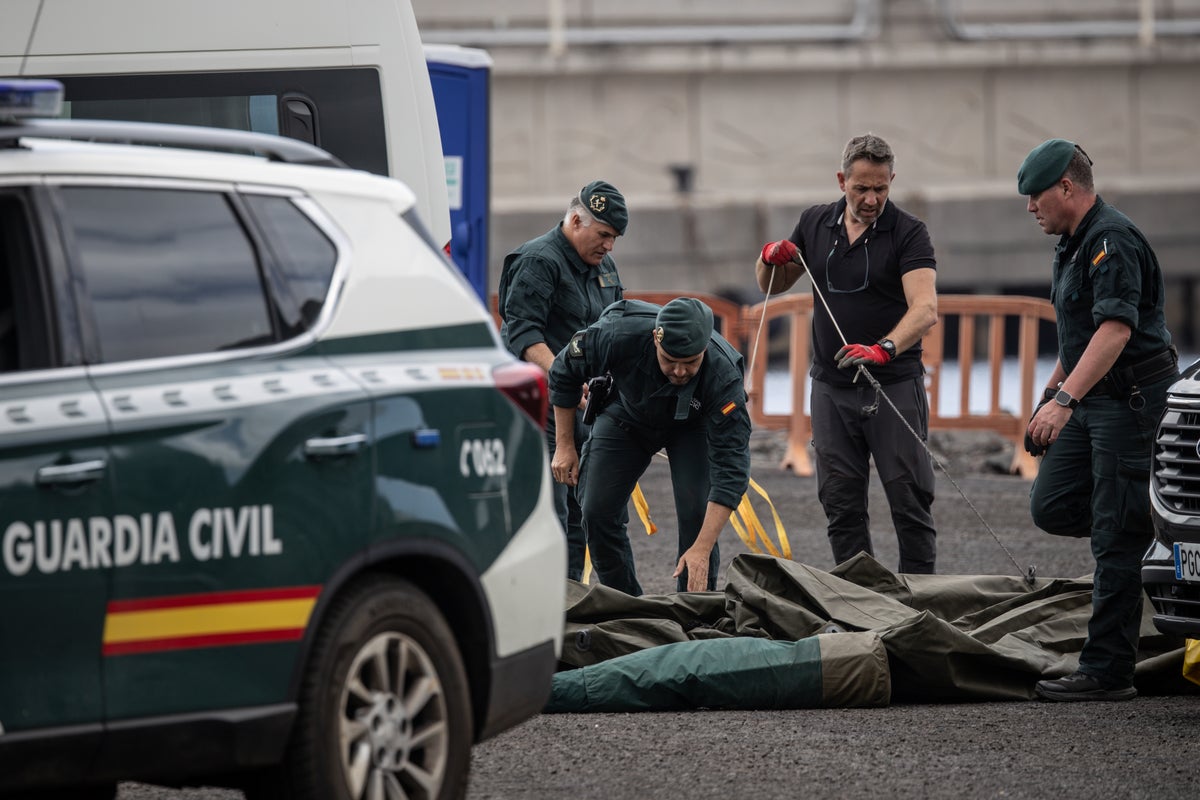
Public health officials in the Canary Islands have a playbook for this, but seeing it in person is jarring. The operation felt less like a medical intervention and more like a tactical extraction. They established a "cold zone" and a "hot zone" on the pier within hours. No one was allowed off that gangway without passing through a multi-stage screening process that looked like a scene from a sci-fi flick.
The local government worked in lockstep with the Spanish National Police and health cordons. Their goal was simple: get the sick to isolation and the healthy into controlled transport without a single person breaking the perimeter. It’s a logistical nightmare to move thousands of people while treating every single one of them as a potential biohazard. They used specialized buses with sealed environments to move passengers directly from the port to designated quarantine facilities or the airport for repatriated flights.
Why Hantavirus Changed the Rules of Engagement
Most people think of cruise ship illnesses and immediately jump to Norovirus. We've all heard the horror stories of "buffet flu." But Hantavirus is a different beast entirely. It’s usually transmitted through contact with infected rodents or their droppings. Finding it on a cruise ship—a giant floating metal box—raises massive red flags about sanitation and cargo safety.
The Spanish health ministry knows that if Hantavirus reached the local population in Tenerife, the economic fallout for the tourism industry would be catastrophic. That’s why the "military-style" description isn't an exaggeration. The precision was necessary. They weren't just treating patients; they were protecting a multi-billion dollar island economy.
Medical teams used rapid diagnostic kits, but because Hantavirus has an incubation period that can stretch for weeks, they couldn't just trust a quick swab. They had to track every passenger's movement for the previous 14 days. If you were on deck 4 near the ventilation shafts, you were treated differently than someone on deck 10. The granularity of the data collection was intense.
Lessons from the Pier
Watching an operation like this teaches you a lot about the fragility of modern travel. You realize that your "all-inclusive" ticket doesn't protect you from the realities of global pathology. The passengers I spoke with—well, the ones who weren't in isolation—described a feeling of total helplessness. One minute you're at the breakfast buffet, and the next, you're being told you can't leave your cabin until a guy in a respirator clears you.
The Tenerife response worked because it was unapologetically strict. There was no room for "customer service" in the traditional sense. The priority was containment. They ignored the complaints about missed flights and ruined dinners. Honestly, that’s how it should be. When you're dealing with a pathogen that can cause Hantavirus Pulmonary Syndrome (HPS), feelings don't matter. Biology does.
What This Means for the Future of High-Density Travel
Cruise lines are going to have to change how they handle waste and cargo. If a rodent-borne virus can make its way onto a modern liner, the existing protocols are failing. We need to see better pest control during the loading of supplies in international ports. Tenerife showed us that a city can defend itself, but the ship should never have been in that position to begin with.
If you’re planning a cruise, you need to look at the health ratings of the vessels. Don't just look at the pool or the theater. Check the CDC’s Vessel Sanitation Program scores. They’re public. Use them. If a ship has a history of poor scores in "integrated pest management," stay away. It’s that simple.
Travelers should also carry their own basic medical records and have travel insurance that specifically covers "quarantine and mechanical breakdown." Most standard policies are surprisingly vague on what happens if you're stuck on a boat because of a virus. You don't want to be the person arguing with a claims adjuster while you're trapped in a 150-square-foot cabin in the Atlantic.
The Tenerife operation is now a blueprint for other port cities. It proved that you can move a mass of people under threat without letting the virus escape. It wasn't pretty, and it certainly wasn't the vacation anyone paid for, but it kept the island safe. Expect to see more of these "tactical" health interventions as global travel continues to bounce back. The era of relaxed maritime health checks is over. Efficiency and containment are the new standard, and Tenerife just set the bar high.