The Iranian leadership is currently shouting from the rooftops about a plot they claim is as old as the hills. According to officials in Tehran, the United States isn't actually interested in human rights or nuclear non-proliferation. They argue the real goal is to carve Iran into smaller, more manageable pieces while making a massive grab for the country's oil riches. This isn't just a casual accusation. It's the central pillar of their current foreign policy narrative.
If you've been following Middle Eastern geopolitics, you know this rhetoric is dialed up to eleven right now. Iranian leaders are pointing to historical precedents like the 1953 coup to tell their public that the West only wants one thing: total control over the energy taps. It's a heavy-handed message, but in a region with a long memory of colonial borders, it resonates with a specific, frustrated audience.
The Oil Riches Argument and Why It Persists
Tehran’s primary claim is that any talk of "regime change" is a thin veil for resource theft. They look at the map of the Middle East and see a pattern of Western intervention that consistently overlaps with high-yield oil fields. To them, the U.S. strategy is about "balkanization"—breaking a large, powerful state into ethnic or regional micro-states that can't resist foreign corporate interests.
Iran holds the world's third-largest proven oil reserves and the second-largest natural gas reserves. That's a lot of leverage. When Tehran accuses Washington of a "war push," they aren't talking about a full-scale invasion like Iraq in 2003. Instead, they’re referring to a "maximum pressure" campaign they believe is designed to collapse the economy, trigger an internal civil war, and eventually allow Western firms to swoop in.
Experts on the ground say this narrative serves a dual purpose. First, it paints any domestic dissent as the work of foreign "infiltrators." Second, it frames the Islamic Republic as the sole protector of Iranian sovereignty against a greedy empire. It's a classic play. If you can convince the population that the alternative to the current government is the literal dismemberment of the country, people might stay quiet despite 40% inflation.
The Colonial Shadow and the 1953 Trauma
You can't understand why Tehran is obsessed with "splitting Iran" without looking at the 1953 coup. This isn't ancient history to them. The CIA and MI6 orchestrated the overthrow of Mohammad Mossadegh after he dared to nationalize the Iranian oil industry. Before that, the Anglo-Iranian Oil Company—now BP—was basically running the show.
This historical scar is the "proof" the current leadership uses to back up their claims. They tell the youth that the U.S. wants to return to the days when Iranian wealth flowed directly to London and Washington. When the U.S. supports certain separatist groups in regions like Sistan-Baluchestan or Khuzestan, Tehran doesn't see a call for human rights. They see a precursor to a map-drawing exercise.
Is the U.S. Actually Trying to Split Iran
If you ask a State Department official, they'll tell you this is paranoid propaganda. The official U.S. line has consistently focused on stopping nuclear enrichment and curbing regional "malign influence." Washington argues that a fractured Iran would actually be a nightmare for global security. Imagine a dozen small, warring factions with access to sophisticated weaponry and drones. That’s not a recipe for stable oil prices.
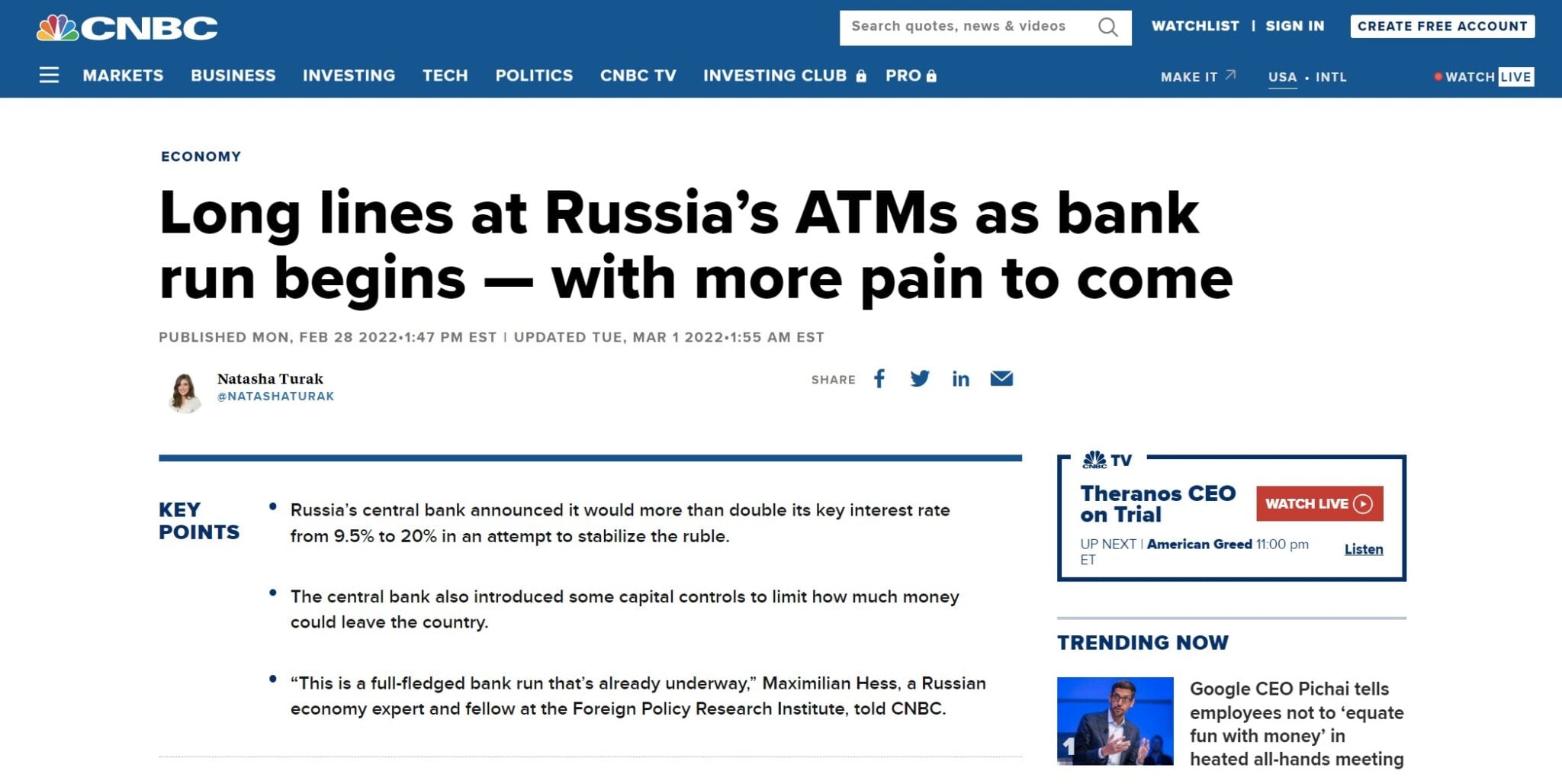
However, the "oil riches" accusation gets legs because of the sheer intensity of sanctions. By cutting Iran out of the SWIFT banking system and penalizing anyone who buys their crude, the U.S. is effectively trying to starve the state. For the folks in Tehran, this looks less like a diplomatic tool and more like an act of economic war intended to shatter the nation's social fabric.
- Sanctions Impact: Iran's oil exports have fluctuated wildly, often dropping by millions of barrels per day under heavy U.S. pressure.
- The "Syria Model": Iranian state media often warns that the U.S. wants to turn Iran into the next Syria—a broken land where foreign powers control specific resource zones.
- Ethnic Tensions: Iran is a multi-ethnic society. Tehran claims the U.S. funds ethnic Kurds, Arabs, and Baluchis to trigger a "velvet revolution" that ends in secession.
The Geopolitical Chessboard and Energy Security
The global energy market is currently in a state of chaos. With the ongoing shifts in European energy sourcing and the rise of the "Petroyuan," the control of Persian Gulf oil is more contentious than ever. Iran knows this. They’ve been leaning heavily into a "Pivot to the East," signing long-term deals with China.
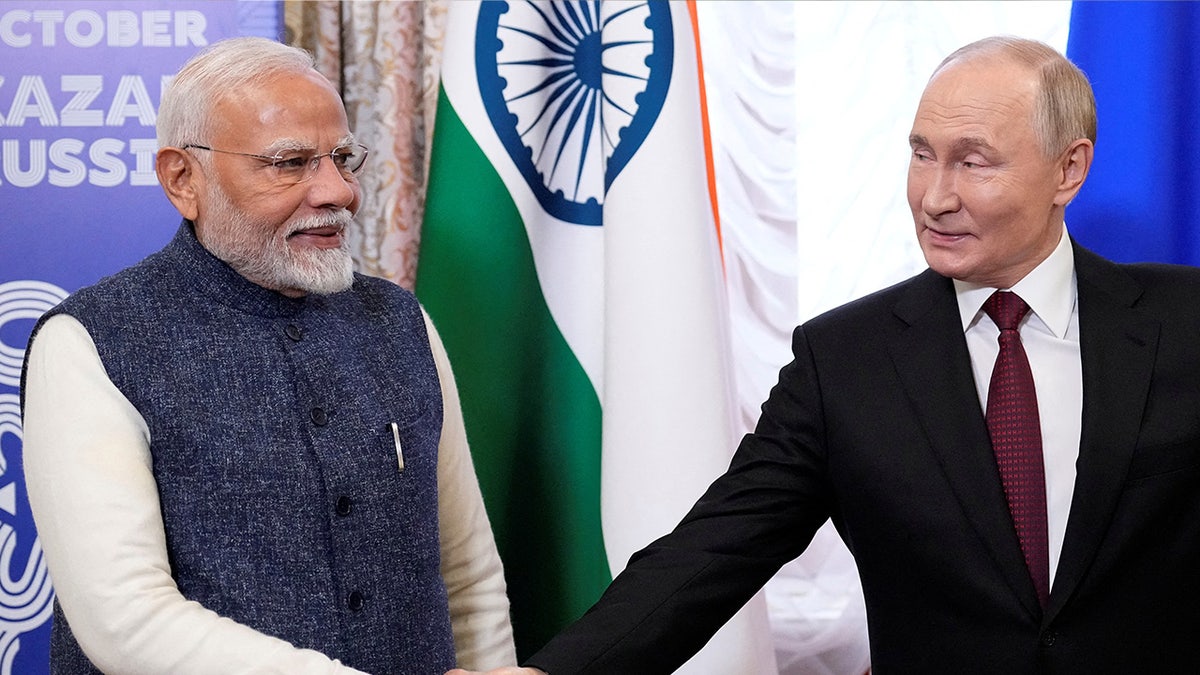
China doesn't care about Iran's internal politics; they just want the fuel. This partnership infuriates Washington. By framing the U.S. as a predatory power looking for "oil riches," Tehran is also signaling to Beijing and Moscow that they are the only reliable partners left in the region. It's a high-stakes game of keeping the "Great Satan" at bay while inviting the "Dragon" into the living room.
Honestly, the idea of a physical invasion to "split" Iran is mostly a fever dream of the ultra-hawks. Modern warfare is too expensive and politically toxic for that. But "soft power" and economic strangulation? That’s where the real fight is happening. Tehran is betting that by keeping the "foreign plot" narrative alive, they can maintain enough nationalist fervor to survive the economic squeeze.
What This Means for the Average Person
The rhetoric from Tehran isn't just for international news cycles. It has real-world consequences for anyone living in or doing business with the Middle East. When a government feels its borders are under threat, it tightens its grip. This means more surveillance, more arrests of dual nationals, and a more aggressive stance in the Persian Gulf.
For those watching from the outside, it’s a lesson in how energy and history intertwine. The "oil riches" argument isn't just about money; it’s about the fundamental survival of a regime that views itself as under permanent siege. Whether the U.S. actually wants to split Iran is almost irrelevant—what matters is that the people holding the levers of power in Tehran believe it’s happening. Or at least, they need their people to believe it.
Keep an eye on the Strait of Hormuz. Whenever tensions about "splitting Iran" peak, Tehran usually threatens to shut down this vital waterway. It's their ultimate "nuclear option" for the global economy. If they can't sell their oil because of a "war push," they'll make sure nobody else can either.
If you want to understand the next decade of Middle Eastern conflict, stop looking at the religious debates and start looking at the pipelines. Follow the money, follow the crude, and remember that maps are often drawn in blood before they're printed in ink. The best way to stay informed is to track the moving parts of the Iran-China energy deals, as those will likely dictate the next move in this decades-long standoff.