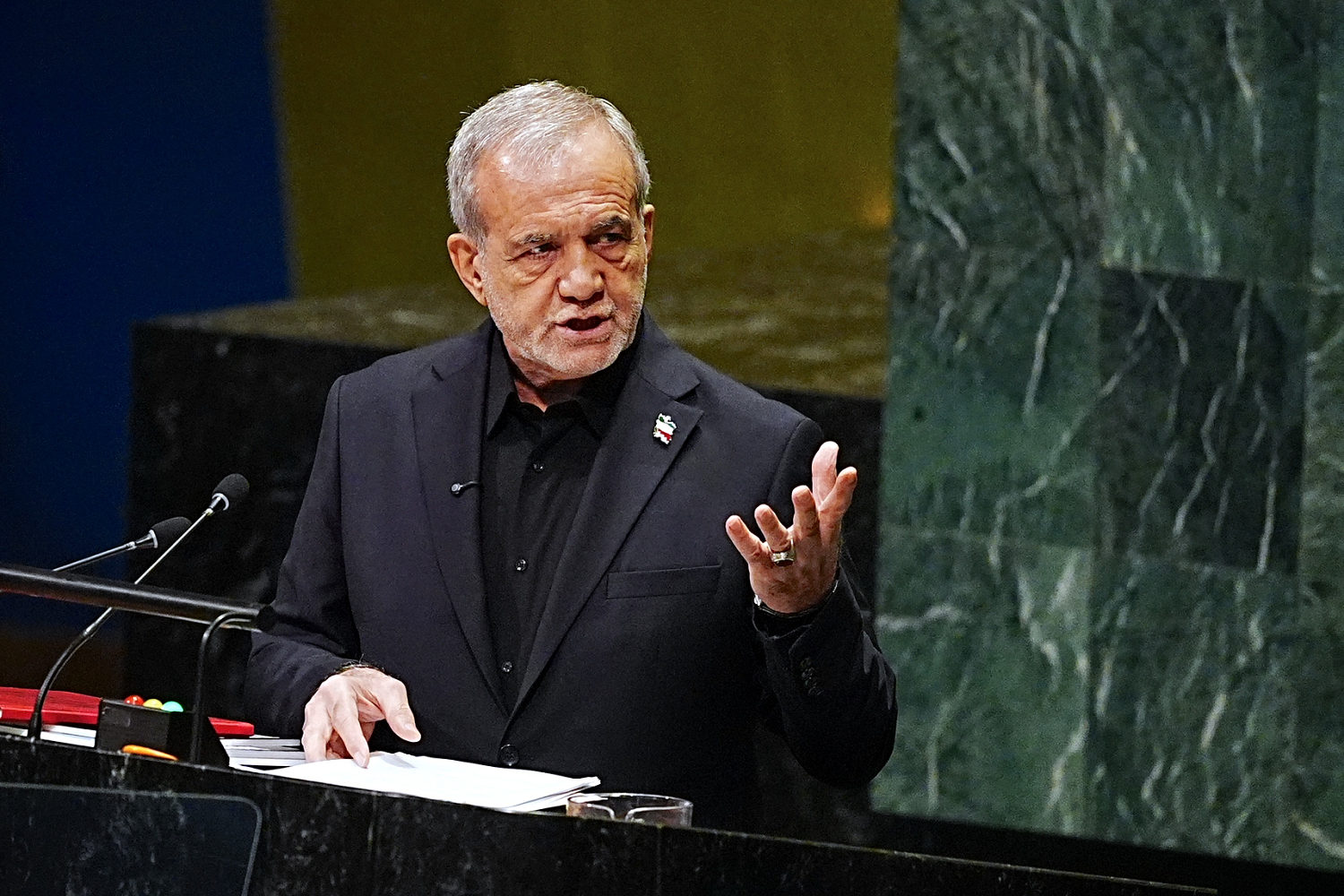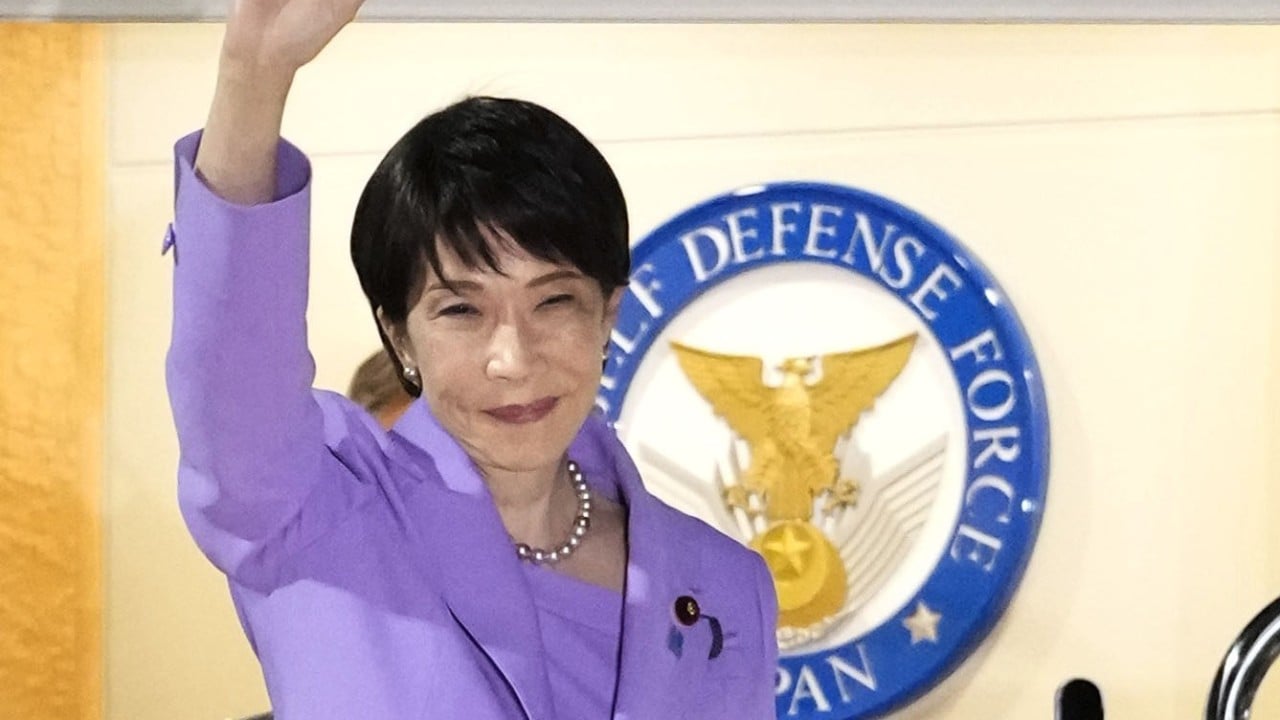
Optics matter in international relations. When Chinese President Xi Jinping landed in the United States, he walked off his aircraft onto a carefully choreographed red carpet. He was met by high-ranking American officials at a major military installation. Just around the same time, Japanese Prime Minister Sanae Takaichi touched down in New York for the United Nations General Assembly. Her welcome consisted of a quiet airport tarmac and a greeting committee made up entirely of Japanese staff, with zero senior American dignitaries in sight.
The internet noticed immediately. Social media channels across Asia turned the contrasting arrivals into a fierce debate over hierarchy, respect, and Washington's true priorities regarding its closest Indo-Pacific allies. But looking past the surface-level drama of airport optics reveals a much deeper reality about how modern superpower diplomacy actually functions.
The Protocol Trap Behind the Airport Optics
People love to read deep meaning into airport receptions. It is easy to look at a red carpet and assume it represents deep favor, or look at an empty tarmac and assume a snub. Diplomatic protocol doesn't work that way.
Xi's arrival was structured around a high-stakes state visit and a bilateral presidential summit. Those events carry strict, reciprocal state protocols that demand military honors, red carpets, and high-level escorts. Takaichi, on the other hand, arrived at John F. Kennedy International Airport primarily for a multilateral gathering at the United Nations. Heads of government arriving for UN sessions routinely land through commercial or standard municipal airport channels without the pomp of a state welcome.
Conflating these two completely different types of diplomatic travel creates a false narrative. Washington treats China as a primary strategic competitor requiring intense, high-profile presidential management. Japan remains a treaty ally anchored by decades of integrated defense architecture. Comparing a multilateral UN trip to a bilateral state summit ignores how international protocol operates.
Why the Tarmac Contrast Hit a Nerve in Tokyo
Even if the protocol differences make logical sense, the imagery struck a raw nerve in Japan. Public perception matters immensely in domestic politics. Takaichi took office facing severe regional tensions, particularly after sharp diplomatic friction with Beijing over Taiwan and economic retaliations.
When domestic audiences see their leader walking down a quiet staircase while a geopolitical rival receives a lavish presidential rollout, political opponents seize the moment. Critics immediately framed the visual mismatch as proof of unequal footing within the alliance. They argue that Japan constantly bends to American strategic demands without receiving proportional symbolic or diplomatic deference in return.
This anxiety taps into a long-running debate inside Tokyo. Ever since the postwar era, Japanese leadership has balanced the absolute necessity of the American security umbrella against the risk of strategic entrapment. When optics make the relationship look one-sided, domestic pressure mounts on the prime minister to prove Tokyo possesses genuine independent leverage.
The Real Power Equation Outweighs the Red Carpet
Symbolic arrivals generate viral commentary, but they do not dictate national security policy. The actual substance of the U.S.-Japan alliance happens behind closed doors in intelligence-sharing hubs, defense procurement committees, and joint military command structures.
Washington doesn't value Tokyo because of airport photo-ops. The alliance persists because Japan serves as the operational anchor for American power projection in East Asia. No amount of red-carpet staging for a strategic competitor changes that structural reality. At the same time, China understands that trying to pry Tokyo away from Washington through public humiliation or economic coercion usually backfires, hardening Japan's resolve to boost its own defense capabilities.
Treating international relations like a high school popularity contest misses the point. Superpowers roll out different welcomes for different strategic functions. If you want to understand where power truly lies, ignore the tarmac and look at the defense treaties, the supply chain agreements, and the joint military commands that hold the region together.