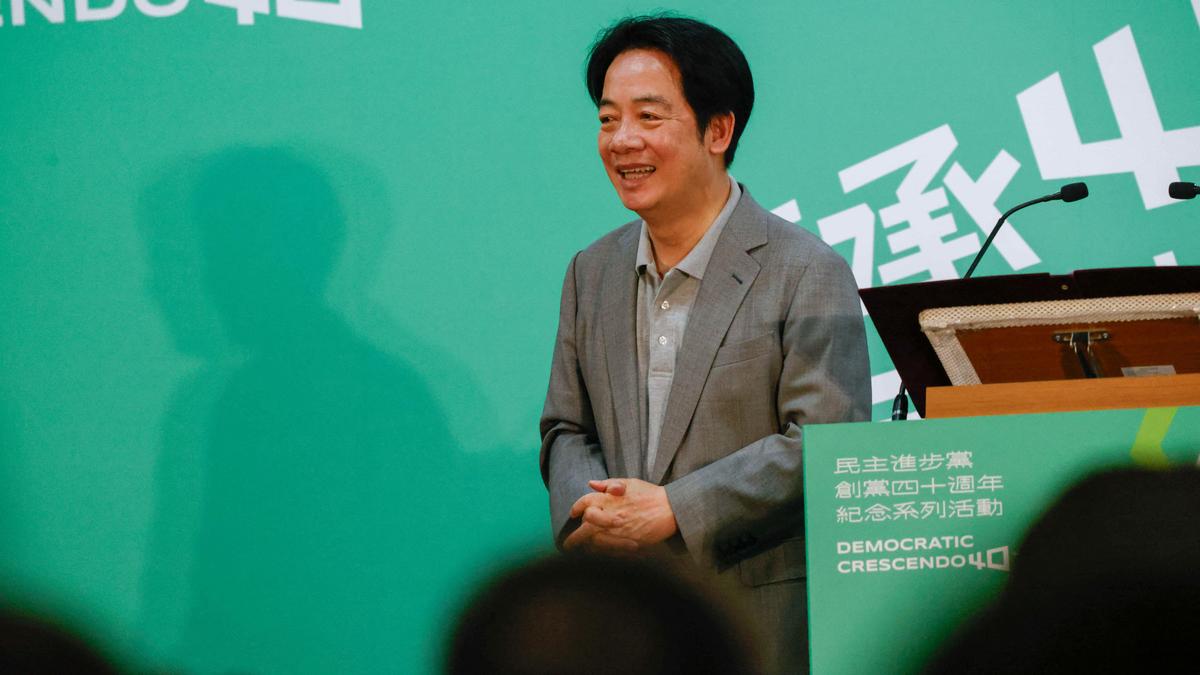
Don't be fooled by the polite diplomatic phrasing coming out of Taipei. When Taiwan Deputy Foreign Minister Chen Ming-chi told reporters that his country would welcome a direct phone call between U.S. President Donald Trump and Taiwanese President Lai Ching-te, it wasn't just a casual expression of hospitality. It was a calculated, high-stakes opening move in a dangerous new chapter of three-way geopolitics.
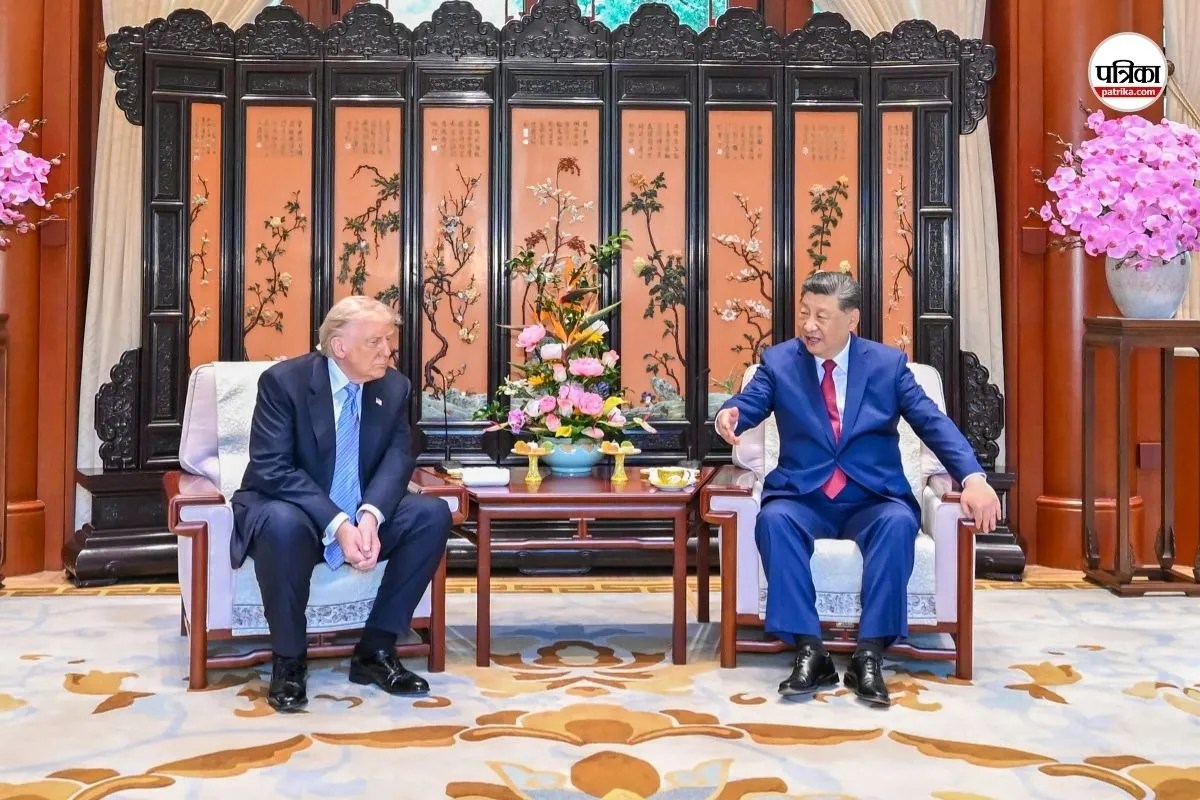
The timing tells you everything you need to know. The announcement dropped right on the heels of Trump's high-profile Beijing summit with Chinese leader Xi Jinping. During those meetings, Xi explicitly warned that the Taiwan issue could spark outright conflict if it isn't handled properly. Beijing treats the self-governed island as a breakaway province and refuses to rule out military force to take it back.
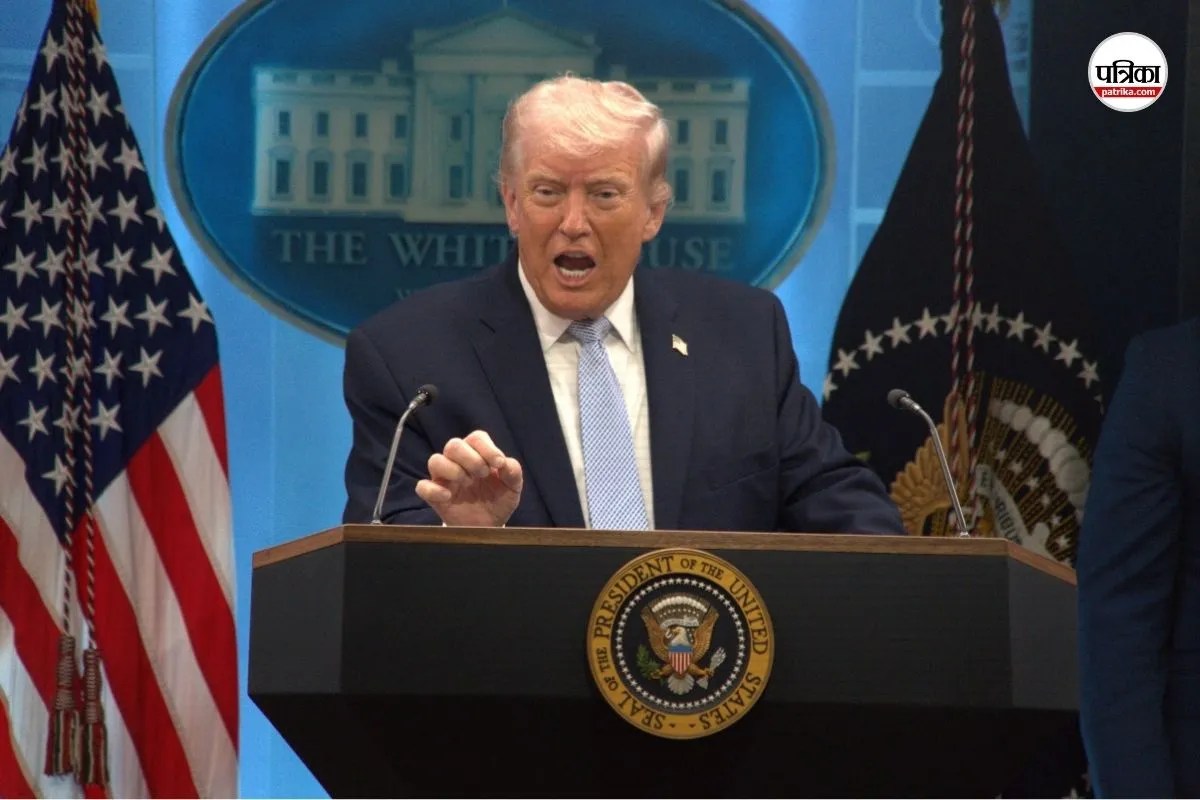
Trump exited that summit dropping his usual trail of unpredictable, mixed signals. He admitted he's undecided on new weapons sales to Taipei. He casually mentioned that the U.S. isn't looking for anyone to stand up and declare formal independence. Yet, in the very same breath, he mused about speaking directly with Lai to sort out the details.
Taipei didn't panic. Instead, they seized the opening. By publicly stating they want the call, Taiwan is calling Trump's bluff and testing exactly what American security commitments look like under his current administration.
The Ghost of 2016 and the Realities of 2026
If this feels like deja vu, it's because we've seen a version of this movie before. Back in late 2016, Trump shocked the global diplomatic establishment by accepting a congratulatory phone call from then-Taiwanese President Tsai Ing-wen. It shattered nearly four decades of rigid protocol established in 1979, when Washington formally shifted its diplomatic recognition from Taipei to Beijing.
But 2026 isn't 2016. The geopolitical stakes are vastly higher now. Taiwan isn't just a democratic symbol anymore; it's the undisputed epicenter of the global semiconductor supply chain.
Lai on Sunday doubled down on a core reality that many outside observers consistently misunderstand. He reiterated that the Republic of China—Taiwan's formal name—is already an independent, sovereign country. It doesn't belong to Beijing. In Taipei's eyes, there's no need to declare independence because they already possess it.
The real anxiety in Taiwan stems from Trump's transactional view of foreign policy. He previously described U.S. support and arms packages as something akin to a bargaining chip or a protection fee. Just last December, Trump approved a massive $11 billion arms package filled with drones, missiles, and military software. Now, he openly hesitates on future deals. Chen acknowledged that Trump's recent comments caused some unnecessary concern domestically. By inviting a direct phone call, Taiwan wants to pull its security guarantees out of the realm of vague summit rhetoric and force a concrete conversation.
What a Trump Lai Call Actually Means for Regional Stability
Let's look at what's actually at stake if this phone call happens. The State Department is already playing defense. A spokesperson scrambled to declare that the U.S. Taiwan policy remains unchanged, echoing previous statements by Secretary of State Marco Rubio. Meanwhile, a White House fact sheet detailing Trump's trip completely ignored Taiwan, focusing entirely on trade, North Korea, and the war with Iran.
This silence from the White House creates a dangerous vacuum. If Trump bypasses his own State Department to speak directly with Lai, it sends a powerful message to Beijing. It says that despite Xi's explicit warnings in Beijing, the U.S. president refuses to let China dictate who he talks to.
Conversely, the risks for Taiwan are immense. Beijing reacts to these diplomatic breaches not with words, but with military steel. We've seen China launch massive live-fire naval drills and send waves of fighter jets crossing the median line of the Taiwan Strait following far lesser diplomatic offenses. If a call is arranged, Taiwan must be prepared to pay the price in the form of intense military gray-zone coercion.
Reading Between the Lines of U.S. Policy Shifts
You have to look at the structural changes happening in Washington to understand why Taiwan is pushing so hard for clarity right now. The recent omission of direct mentions of Taiwan in the U.S. National Defense Strategy raised serious red flags across Taipei's defense establishment.
Taiwan relies heavily on the 1979 Taiwan Relations Act, which legally binds Washington to provide the island with the defensive means to protect itself. But a law is only as strong as the executive branch enforcing it. If the White House views weapons sales purely through the lens of trade deficits and balance sheets rather than democratic solidarity, Taiwan loses its primary deterrent against invasion.
Lai countered Trump's skepticism by publicly stating that arms purchases from the U.S. are the single most important deterrent against regional conflict. Taiwan isn't asking for charity. They're paying billions of dollars for American hardware, arguing that a well-armed Taiwan keeps the peace and saves the U.S. from being dragged into a catastrophic Pacific war.
Next Steps for Taipei's Strategy
Taiwanese officials can't afford to sit around and wait to see which version of Trump wakes up tomorrow. They need to turn this rhetorical opening into a concrete diplomatic strategy.
First, Taipei needs to utilize its backchannels with figures like Marco Rubio to reinforce the strategic necessity of the island's defense. They must frame Taiwan not as a liability, but as an essential partner in checking Chinese maritime expansion.
Second, Taiwan must continue diversifying its global alliances. Relying solely on the whims of a transactional U.S. leader is a dangerous single point of failure. Deepening tech partnerships with Europe and security ties with Japan will provide a much-needed buffer.
Ultimately, Chen laid down a clear gauntlet. Taiwan is ready to make the arrangements the moment Trump says yes. It's a bold play that shifts the burden of proof right back onto Washington.