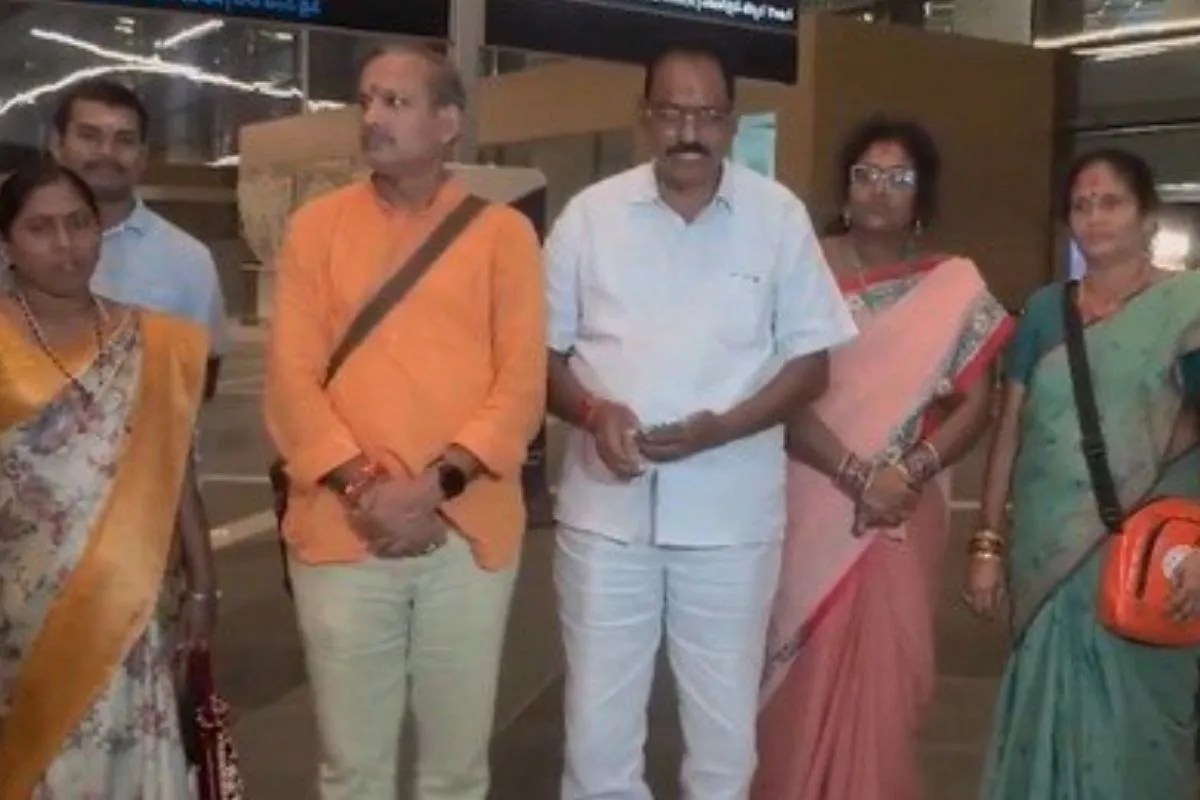
Imagine saving for months, booking a dream trip across Southeast Asia, and ending up on life support because of a free drink at a local bar. It sounds like a horror movie plot. For several families, it became reality following a mass methanol poisoning tragedy in the riverside backpacker town of Vang Vieng, Laos. Six tourists lost their lives, including British lawyer Simone White, two Australian teenagers, two Danish citizens, and an American traveler.
This isn't an isolated incident or a rare case of bad luck. It's a systemic danger hiding behind cheap nightlife and unregulated spirits in global vacation hubs. When you're traveling, understanding the hidden reality of tainted alcohol can literally save your life. Building on this idea, you can also read: Why Dakar Beaches Are Drowning in Plastic And Urban Growth is to Blame.
The Terrifying Reality of Methanol Contamination
Most travelers assume the worst outcome of a wild night out is a brutal hangover. Tainted bootleg alcohol changes the math completely. Unscrupulous bars and illicit local distilleries sometimes substitute or stretch ethanol—the drinkable alcohol we all know—with methanol, a cheap industrial chemical. Analysts at Lonely Planet have shared their thoughts on this matter.
Methanol is normally used in products like antifreeze, solvents, and windshield washer fluid. It looks, smells, and tastes exactly like regular alcohol when mixed into a cocktail. You won't smell it. You won't taste it. But once it enters your body, your liver converts it into formic acid, a highly toxic substance that attacks your cells.
Drinking as little as 25 to 90 milliliters of methanol can be fatal without immediate medical intervention. The human body simply lacks the capacity to detoxify it naturally. It causes severe cellular damage, profound metabolic issues, and rapid organ failure.
Why Unregulated Bars Take This Lethal Shortcut
It boils down to greed and lack of oversight. In tourist areas that cater heavily to budget backpackers, bars face intense competition to offer the cheapest deals. Free shots, dollar cocktails, and endless happy hours keep the crowds coming. To keep profit margins high, some venues buy cheap, unrecorded bootleg spirits from underground suppliers instead of paying high taxes on legitimate, factory-sealed liquor brands.
Poorly controlled home-distillation is another major culprit. During a proper distillation process, the first part of the liquid that boils off contains high concentrations of naturally occurring methanol. Experienced distillers discard this part. Amateur or reckless backyard operations often keep it to maximize their yield, poisoning the final batch.
While Southeast Asia sees a high volume of reported cases, this is a global issue. Adulterated alcohol turns up anywhere regulation is weak, taxes on legal spirits are high, or enforcement is sparse.
How to Recognize the Warning Signs of Methanol Poisoning
Recognizing the symptoms of methanol poisoning early is incredibly difficult because it mimics a standard, heavy hangover at first. Symptoms generally don't appear instantly; they take anywhere from 12 to 24 hours to manifest as the toxic chemical breaks down inside your system.
If you or a travel companion experience any of these progressive warning signs after a night of drinking, treat it as an absolute medical emergency:
- Early Stages: Severe headache, intense dizziness, nausea, vomiting, and profound fatigue.
- Progressive Stages: Severe abdominal pain, hyperventilation, and breathing difficulties.
- Critical Signs: Blurred vision, sensitivity to light, a feeling of "seeing a snowstorm," confusion, seizures, or loss of consciousness.
The visual symptoms are a major red flag. Formic acid specifically attacks the optic nerve. If someone complains about changes in their eyesight after a night out, do not wait for them to "sleep it off." Sleeping it off can lead to permanent blindness, irreversible brain swelling, or death.
Critical Steps for Protecting Yourself Abroad
You don't need to completely stop socializing while traveling, but you must change how you buy and consume alcohol in areas with loose regulatory tracking. Relying on the honesty of a random beach bar is a gamble you shouldn't take.
Stick to Commercial Beer and Cider
Canned or bottled beers and ciders are significantly harder to adulterate. They are factory-sealed, mass-produced, and rarely targeted by bootleggers because the profit margins on low-alcohol beverages don't justify the effort. If you want a drink, grab a local bottled beer and make sure you see the cap being popped open.
Avoid Free Shots and Deeply Discounted Cocktails
If a bar offers free spirits, punch buckets, or drinks priced well below market value, walk away. True spirits are expensive due to manufacturing costs and import taxes. When a venue sells hard liquor for pennies, they are cutting corners somewhere, and it often involves the source of their alcohol.
Inspect the Packaging
When ordering spirits, ask to see the bottle and watch the bartender pour it. Check the plastic seal around the cap. Is it broken or glue-stained? Look closely at the label. Poor print quality, spelling errors, or crooked labels are major indicators of counterfeit products filling an authentic bottle.
Buy From Reputable Establishments
Purchase your drinks from high-end hotels or well-established, licensed venues rather than temporary street carts or makeshift party hostels. Legitimate businesses have too much to lose and generally stick to verified supply chains.
What to Do in a Medical Crisis
If you suspect someone has consumed tainted alcohol, call for emergency medical help immediately. Local clinics in remote backpacker towns often lack the advanced equipment, testing facilities, or specific antidotes required to treat severe poisoning. Victims frequently need rapid transfer to larger, well-equipped regional hospitals.
Be completely honest with healthcare workers about what the person drank and where they bought it. Doctors can administer specific treatments to halt the toxic breakdown process if they act quickly.
Before you step on a plane, ensure your travel insurance explicitly covers medical evacuation. When local facilities are overwhelmed or unequipped, a medical flight to a major hospital center is the only viable option. Never treat safety as an afterthought when exploring unfamiliar places. Your life depends entirely on the precautions you take before the first drink is poured.