Commercial aviation security architecture has historically operated on a perimeter-defense model. Counter-terrorism measures implemented over the past two decades focus overwhelmingly on external vectors, hardening aircraft cabin doors against unauthorized entry, screening passenger manifests against watchlists, and deploying strict baggage inspection protocols. The attempted cockpit takeover aboard Flydubai Flight 1073 exposes the structural asymmetry of this security paradigm. When the threat vector originates from inside the flight deck—from an individual trusted with operational control of the aircraft—traditional perimeter defenses become entirely ineffective.
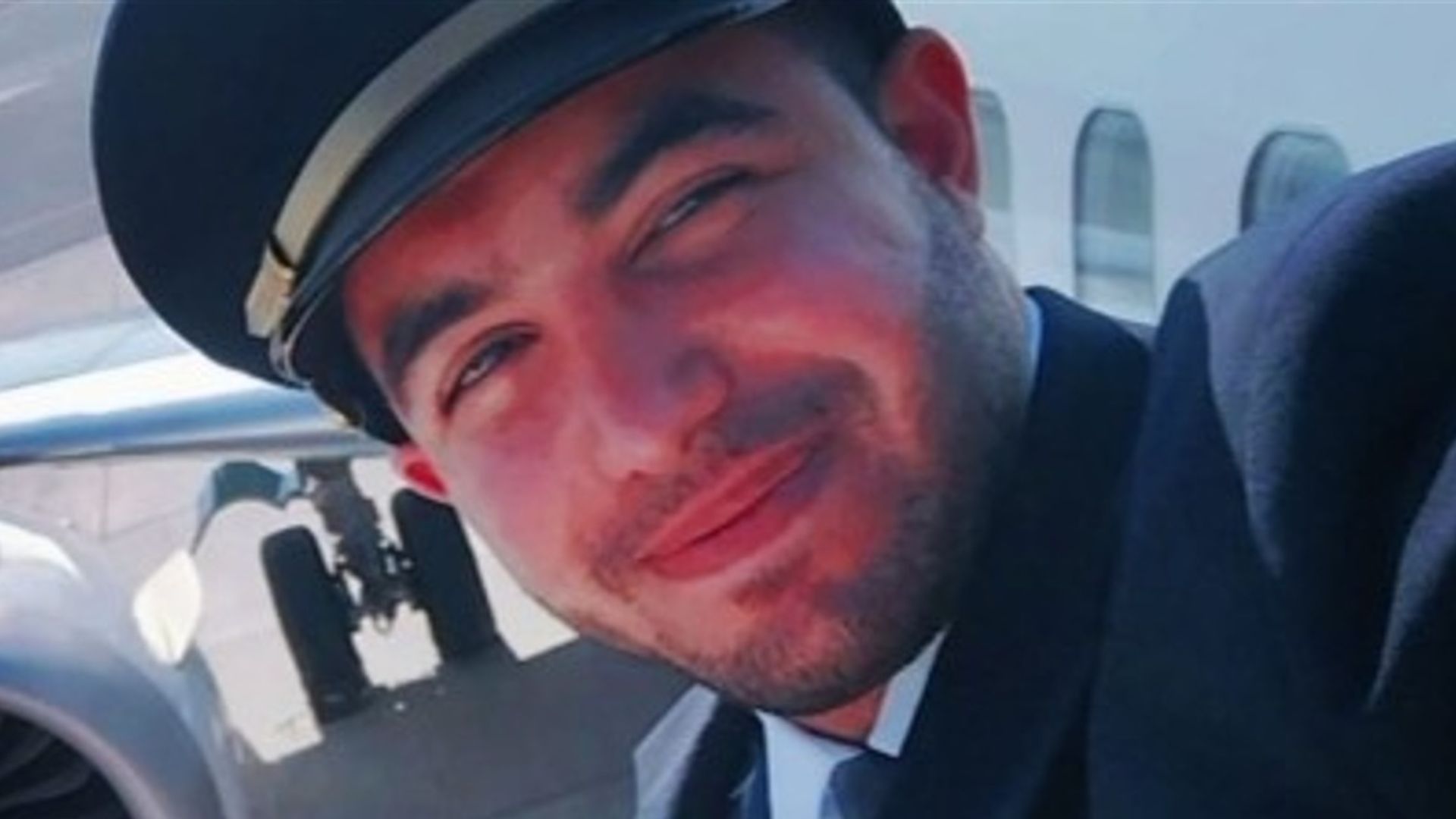
An evaluation of the incident involving first officer Hamam al-Hammami requires shifting from sensationalized narratives to a structural risk analysis. Modern flight deck operations rely on a dual-pilot system built on mutual verification, yet this design contains an inherent vulnerability: physical proximity and institutional trust.
The Anatomy of Flight Deck Access Control
Commercial cockpit security changed fundamentally following the 2001 attacks, prioritizing impenetrable reinforced doors designed to prevent external intrusion. However, hardening the cockpit against the outside necessitated establishing trusted access channels from the inside.
The operational workflow of a two-person flight deck assumes that both crew members adhere to regulatory standards and psychological fitness baselines. When that assumption fails, the physical barrier that was meant to protect the aircraft transforms into an internal containment cell.
- The Trust Baseline: Background checks and psychological evaluations screen for overt radicalization or behavioral anomalies at the hiring stage. However, radicalization trajectories are dynamic, often occurring post-employment through digital radicalization vectors or isolated ideological shifts.
- The Operational Isolation: Once a flight is airborne at cruise altitude, the flight deck operates in relative isolation from direct physical oversight. The cockpit door, designed to remain locked, restricts immediate intervention by cabin crew or passengers, creating a temporary security vacuum.
- The Asymmetry of Surprise: An insider threat exploits the element of tactical surprise. The pilot or co-pilot initiating an attack does not need to bypass physical security checkpoints; they are already stationed at the controls.
In the case of Flight 1073, the first officer initiated an assault on the captain during the cruise phase of the flight. By targeting the captain before external intervention could occur, the perpetrator attempted to establish single-pilot command authority over the aircraft systems.
Behavioral Indicators and Institutional Blind Spots
The presence of a lone-actor threat within a highly regulated corporate entity highlights gaps in continuous workforce monitoring. Aviation authorities track flight hours, technical proficiency, and medical fitness through periodic check-rides and physical examinations. Psychological surveillance, however, remains largely reactive rather than predictive.
- Digital Footprints vs. Institutional Visibility: Investigations following the incident revealed digital indicators on the perpetrator's social media channels pointing toward ideological extremism. Corporate human resources and aviation safety management systems lack standardized mechanisms to continuously audit or correlate external digital behavior with operational safety clearances.
- Cross-Border Employment friction: The perpetrator was an Omani national employed by a UAE-based carrier operating a route into Israeli airspace. Regional geopolitical complexities and fragmented intelligence-sharing networks between distinct national jurisdictions can obscure background telemetry or disciplinary flags originating from a pilot's home state or prior employers.
- The Bystander Effect in Peer Reviews: Crew resource management training emphasizes open communication and error-checking regarding flight operations, but it does not routinely empower crew members to formally assess or report psychological instability or ideological radicalization in a peer without social friction or career repercussions.
Operational Failures of the Hijack Strategy
From an analytical perspective, the execution of the plot failed due to a miscalculation of mechanical resilience, human response times, and physical space constraints inside a narrowbody cockpit.
The perpetrator's initial tactical design reportedly aimed to incapacitate the captain, maintain normal flight profiles, and approach the destination airspace under the pretense of a routine arrival. This strategy relies on absolute operational silence. The physical resistance put up by the captain disrupted this timeline.
- The Compromise of Flight Parameters: Once the captain survived the initial assault and succeeded in opening the cockpit door, the operational environment shifted from a controlled stealth maneuver to a chaotic physical struggle.
- Structural Over-Speed and Aerodynamic Limits: Control inputs during the cabin struggle sent the aircraft into a steep descent, dropping from high altitude significantly within a compressed timeframe. This rapid descent forced the airframe beyond optimal design velocities, resulting in structural failure—specifically, the detachment of the aircraft's rudder.
- Redundancy of Human Intervention: The intrusion of passengers and deadheading flight crew members into the cockpit space reintroduced external physical intervention. This dynamic illustrates that while cockpit doors block unauthorized entry from the outside, they can also be breached from the inside when structural integrity or safety is compromised, allowing cabin occupants to intervene.
Systemic Adjustments for Aviation Security
Mitigating the risk of internal flight deck sabotage requires structural modifications to operational oversight, moving beyond traditional security screening.
- Continuous Behavioral Monitoring: Airlines must integrate predictive analytics and peer-reporting frameworks that treat psychological and ideological shifts with the same urgency as technical proficiency errors.
- Two-Person Cockpit Rule Enforcement: While some jurisdictions mandate that two authorized personnel occupy the flight deck at all times (requiring a cabin crew member to step in whenever a pilot leaves to use the restroom), procedures must account for potential threats originating from within that pairing, emphasizing rapid-response override mechanisms.
- Standardized Global Intelligence Integration: International aviation bodies must streamline cross-border vetting to ensure that employment histories, local security flags, and digital footprint assessments are transparently shared across national carriers regardless of geopolitical friction.
The resolution of aviation security vulnerabilities depends on eliminating the assumption that an authorized crew member poses zero risk. Designing resilient flight deck protocols requires building technical and human redundancies that assume internal failure is possible, ensuring that no single individual possesses absolute, unchecked control over the aircraft's trajectory.