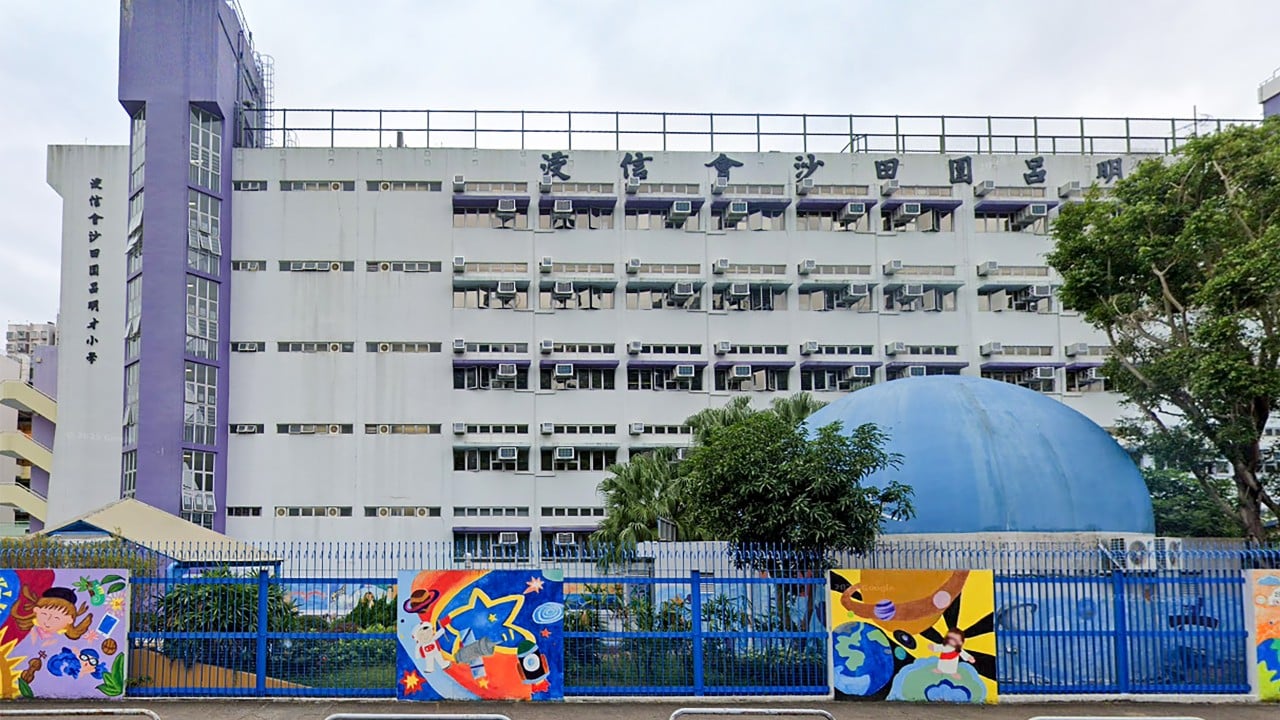
Mass illness events within institutional dining environments expose structural flaws inherent in high-volume food preparation and distribution models. When thirty-nine individuals experience acute gastrointestinal distress following a standardized school lunch service in Sha Tin, the incident transcends a localized hygiene lapse. It serves as an empirical indicator of systemic vulnerabilities across procurement, temperature control, and supply chain logistics. Analyzing such occurrences requires examining the operational mechanics that govern commercial catering, where scale introduces specific failure points that traditional kitchen inspections often fail to capture.
The Operational Mechanics of Mass Catering
Institutional food service operates on an industrial scale characterized by temporal compression and geographic dispersion. Meals prepared in centralized commissaries must undergo thermal processing, portioning, packaging, holding, and transport before consumption. Each phase introduces critical control points where biological, chemical, or physical hazards can compromise food safety.
In standard restaurant operations, food flows directly from preparation to the end consumer within minutes. Conversely, institutional supply chains rely on extended holding times and transport intervals. This temporal gap creates an operational window for microbial proliferation if temperature parameters deviate from established safety thresholds.
Temperature Abuse and Microbial Proliferation
The primary vector in institutional foodborne illness outbreaks is temperature abuse within the thermal danger zone, spanning from five degrees Celsius to sixty degrees Celsius. Pathogens such as Bacillus cereus, Staphylococcus aureus, and Clostridium perfringens proliferate rapidly within this thermal bracket, particularly in starch-heavy or protein-dense environments typical of school lunches.
Centralized kitchens often prepare meals hours in advance of service. If cooked components are not rapidly chilled to safe storage temperatures or maintained at holding temperatures exceeding sixty degrees Celsius during transport, bacterial loads multiply exponentially. When packaging traps residual moisture and heat, it establishes an incubator environment. The thirty-nine affected individuals in Sha Tin reflect a failure of this specific thermodynamic barrier, where environmental controls broke down during the distribution phase.
Cross-Contamination in High-Throughput Kitchens
Volume amplifies risk. Industrial kitchens process thousands of portions daily, relying on repetitive handling, shared cutting surfaces, and automated packaging lines. This environment accelerates cross-contamination if sanitation protocols lack strict segregation between raw and ready-to-eat inputs.
A single contaminated ingredient introduced into a batch mixer or large-scale cooking vat distributes the pathogen across hundreds of individual meal boxes. This explains the clustering of symptoms among students and staff consuming identical menu items. The dispersion pattern is not random; it maps directly to the batch topology of the central production facility.
Procurement Economics and Quality Control Gaps
Institutional procurement models frequently prioritize cost minimization over supply chain transparency. Bidding systems that award contracts based on the lowest unit price incentivize suppliers to source ingredients from secondary markets with variable quality assurance standards.
When catering companies compress margins, labor training suffers, equipment maintenance intervals are extended, and batch testing frequency declines. Quality control transforms from an active preventive protocol into a reactive compliance check. Inspecting finished meals at the point of delivery reveals whether pathogens are present, but it provides zero operational insight into the sanitary conditions of the processing facility hours earlier.
Epidemiological Footprints and Symptom Latency
The clinical presentation of mass food poisoning offers diagnostic clues regarding the specific etiologic agent. Rapid onset nausea and vomiting within hours of consumption point toward pre-formed bacterial toxins, such as staphylococcal enterotoxins or cereulide produced by Bacillus cereus in improperly stored rice or pasta dishes. Delayed onset diarrhea points toward infectious pathogens like Salmonella or Campylobacter species.
Mapping the incubation period and symptom distribution across a school population allows epidemiologists to isolate the exact vehicle of transmission. In institutional outbreaks, the homogeneity of the menu narrows the variable field, enabling investigators to trace the contamination vector back to specific ingredient lots or handling errors during preparation.
Supply Chain Redundancy and Corrective Architecture
Mitigating recurring outbreaks in institutional dining demands a shift from passive compliance to active architectural defense. Standard municipal inspections rely on random audits that capture static conditions rather than dynamic operational risks. A resilient institutional catering framework incorporates continuous telemetry monitoring across all transport vehicles, ensuring real-time visibility into holding temperatures.
Furthermore, batch traceability must be enforced at the ingredient level. If a supplier fails quality benchmarks, every downstream meal produced from that specific lot must be identifiable within minutes rather than days. Operational protocols must mandate microbial testing of critical components prior to final packaging, replacing reliance on visual inspection with empirical biological verification.
Implement mandatory digital temperature logs for all transport vehicles carrying pre-packaged meals. Audit central commissary sanitation protocols against HACCP standards monthly, shifting financial penalties for supply chain failures directly to vendor contracts to eliminate the economic incentives of cost-cutting on food safety.