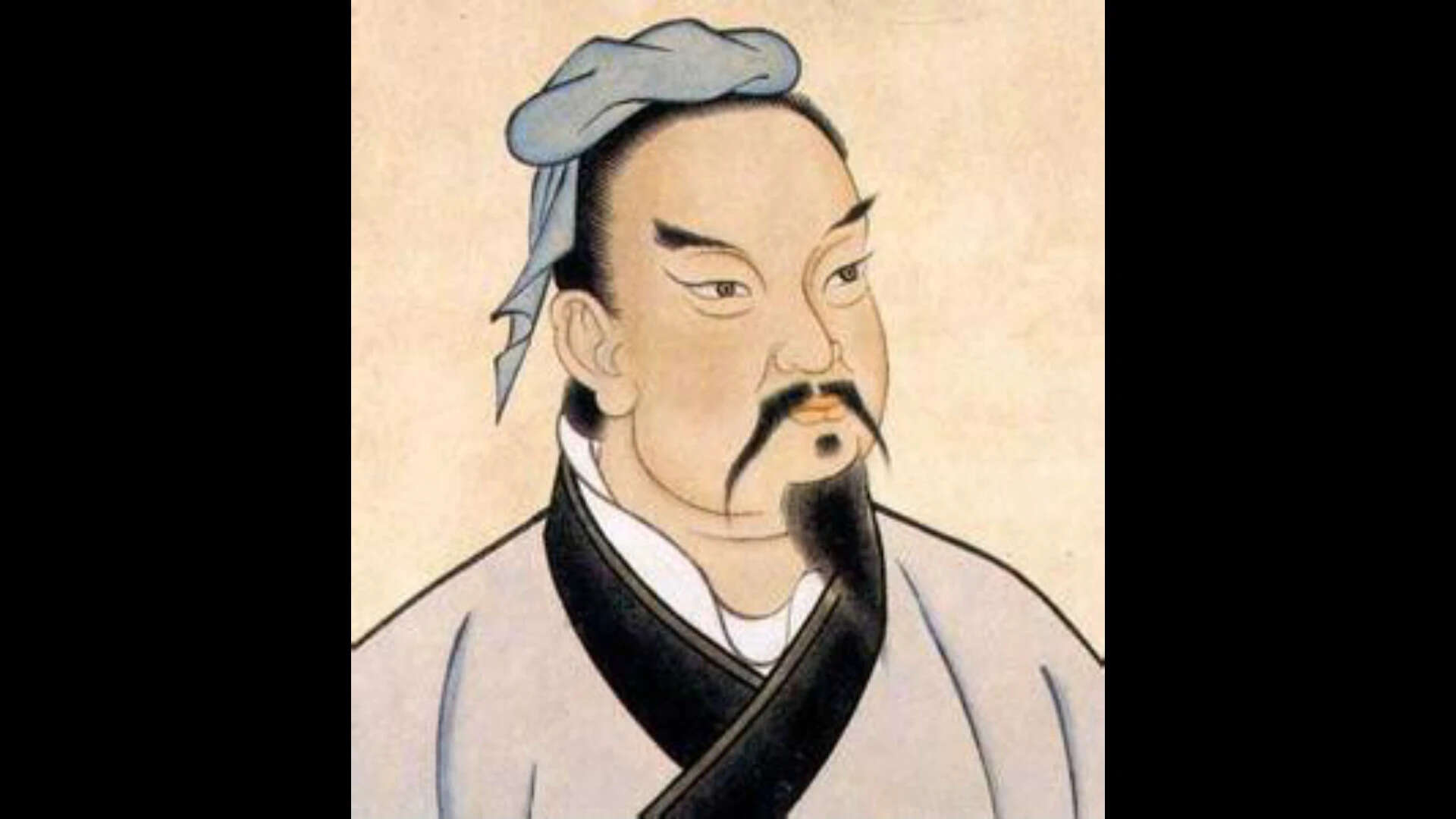
Strategy has a dishonesty problem. For centuries, corporate boardrooms and military command centers have relied on an ancient piece of advice attributed to Sun Tzu: if you know the enemy and know yourself, you need not fear the result of a hundred battles. It sounds profound. It looks great printed on motivational posters hanging above breakroom coffee machines. It is also completely useless for anyone trying to build a sustainable organization today.
Knowing yourself and knowing your competitor does not guarantee victory. Most of the time, it guarantees that you will run off a cliff while staring intently at the person running right beside you.
Modern competitive analysis treats market rivalry like a medieval chess match. You study your opponent's moves, map out their product roadmap, track their quarterly earnings, and try to outmaneuver them on pricing or features. This approach assumes that business is a closed system where two forces compete for a fixed amount of territory. Reality is far more chaotic.
The Fallacy of Mirror Imaging
The primary flaw in traditional battle strategy is a cognitive trap known as mirror imaging. When analysts attempt to know the enemy, they usually project their own internal logic onto the competition. You assume your rival cares about the same metrics you do. You assume they are rational actors operating under the same constraints, facing the exact same pressures from investors, and interpreting customer feedback through the same lens.
They are not.
Look at what happened when legacy automotive manufacturers attempted to counter electric vehicle startups. The traditional players spent millions reverse-engineering battery packs and analyzing assembly line efficiencies. They knew their competitor's specs down to the millimeter. Yet, they kept missing the mark because they were fighting a localized skirmish over horsepower and torque while their rival was rewriting the entire ownership experience, software update model, and distribution channel.
Knowing the enemy's product does not mean you know their intentions. More importantly, it blinds you to the fact that the enemy might not even be playing your game.
Why Self-Knowledge Becomes an Anchor
The second pillar of the ancient doctrine is self-knowledge. Business leaders love conducting internal audits, culture surveys, and SWOT analyses. We catalog our core competencies, map our organizational strengths, and measure employee engagement down to the decimal point.
Self-awareness can quickly turn into self-delusion.
An organization's strengths are often its historical accidents. What made a company successful five years ago is rarely what will save it tomorrow. When leadership relies too heavily on internal introspection, they fall in love with their own operational mythology. They start believing that their specific way of doing things is a universal law of commerce.
Consider how traditional media companies approached the shift toward digital content. They knew themselves intimately. They understood their printing presses, their distribution networks, and their journalistic standards. That deep self-knowledge convinced them that physical paper and subscription routes were core identities rather than temporary delivery mechanisms. By focusing heavily on preserving who they were, they failed to adapt to what their audience actually required.
Knowing yourself often means cataloging the exact assets that prevent you from changing.
The Invisible Variable
Sun Tzu left out the most important factor in any modern conflict. The terrain.
In a business context, the terrain is the underlying market structure, technological velocity, and shifting consumer behavior. You can know your competitor's every move and possess total clarity regarding your own internal capabilities, but if the ground beneath your feet is liquefying, none of it matters.
Take the rise of generative automation across various knowledge industries. Companies spent years benchmarking themselves against rival agencies or competing service providers. They optimized their billing rates, polished their pitches, and refined their internal training programs. They knew their competitors cold. They knew their own teams inside and out.
Then, the technological baseline shifted overnight. The battle was no longer about which firm could draft a better proposal faster than the other. The battle became irrelevant because the fundamental utility of the task changed.
Obsessing over the competition creates tunnel vision. It forces management teams to react rather than originate. If your entire strategic framework depends on responding to what someone else is doing, you have outsourced your direction to your rivals. You are no longer steering the ship; you are simply adjusting your sails to catch the wind of whatever the other guy just did.
Breaking the Cycle of Reaction
Moving past this outdated model requires a radical shift in attention. Stop spending eighty percent of your strategy meetings discussing competitor tracking reports. Your rivals do not determine your ultimate ceiling. Customer friction, structural inefficiencies, and unaddressed market needs dictate whether you survive.
Examine your own customers with the same paranoid intensity that you currently direct toward your rivals. What are they trying to accomplish that current tools make unnecessarily painful? Where are they wasting time? What solutions are they hacking together themselves because the market offers nothing adequate?
Those questions have nothing to do with what your competitor launched yesterday.
True strategic advantage does not come from beating the person next to you in a race to the bottom of a shrinking market. It comes from recognizing that the race itself is obsolete, stepping off the track entirely, and paving a completely different path forward before anyone else even realizes the ground has shifted