You are sitting at the gate, staring at a departure board that suddenly flipped from "On Time" to a rolling 90-minute delay. The weather outside is perfectly clear. The airplane is parked right in front of you. The flight crew is waiting. So, what is the hold-up?
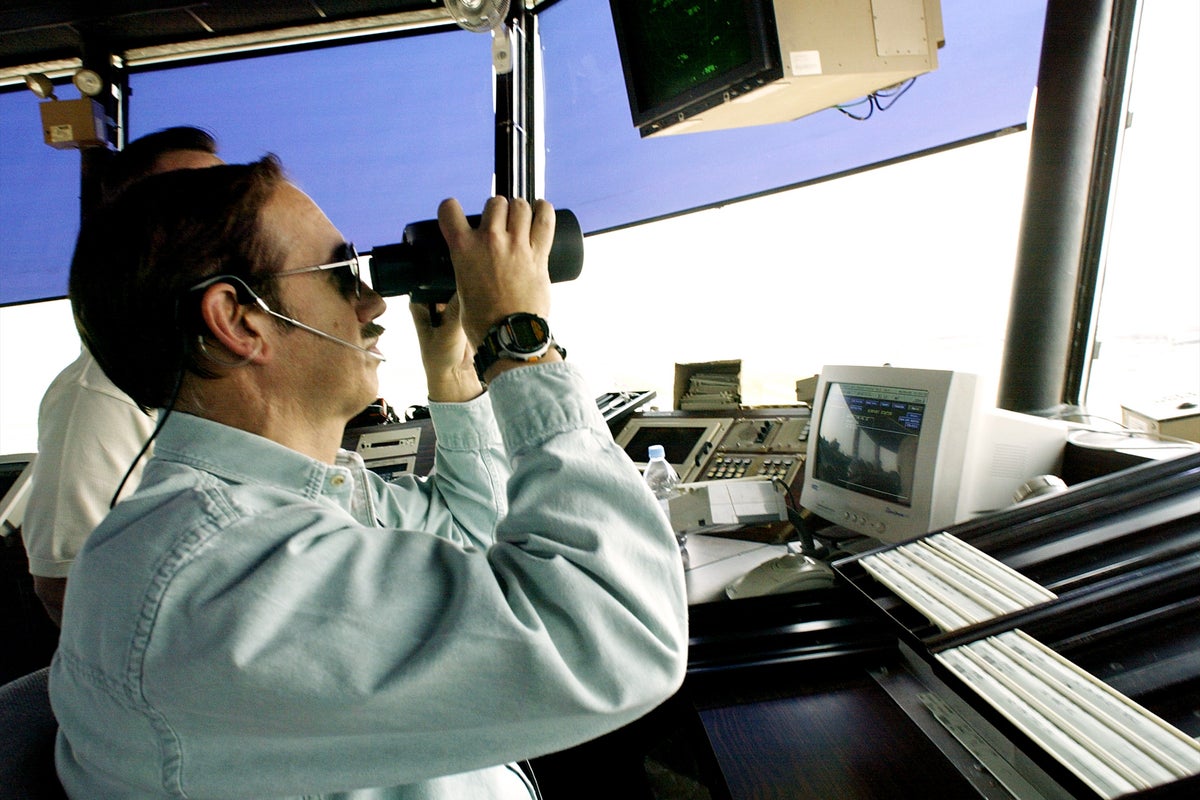
The problem is not the plane, the weather, or your airline. The problem is that there simply are not enough people in the control towers to safely manage the skies.
A severe shortage of air traffic controllers is actively throttling American aviation. Just recently, Phoenix Sky Harbor International Airport saw more than 200 flights delayed, canceled, or diverted in a single weekend because of an FAA-imposed ground delay. The arrival rate had to be slashed to 36 flights per hour. Why? Not enough staff.
While Transportation Secretary Sean Duffy and FAA Administrator Bryan Bedford are aggressively pushing to hire thousands of new air traffic controllers, the system is digging itself out of a incredibly deep hole. Decades of bad planning, an unforgiving training pipeline, and the lingering scars of the recent 43-day government shutdown have combined to create a fragile bottleneck.
If you are planning to fly anytime soon, you need to know what is actually going on behind the scenes, why fixing it will take years, and how to protect your travel plans.
The Shutdown Hangover That Broke the Training Pipeline
The 43-day federal government shutdown hit the aviation system hard, but its nastiest side effect happened away from the public eye. It completely derailed the next generation of air traffic controllers.
During the funding lapse, certified professional controllers had to work without pay. However, the fragile training pipeline suffered the worst damage. Even though the FAA took the unprecedented step of keeping its Oklahoma City training academy open during the shutdown, the reality of missing paychecks was too much for many recruits.
FAA Administrator Bryan Bedford admitted to Congress that the agency lost roughly 400 to 500 air traffic controller trainees during the shutdown. Young recruits, faced with the prospect of relocating thousands of miles without a paycheck, simply quit. They could not afford to stick around for a career that held their income hostage.
When a trainee walks away, you cannot just replace them the next day. According to a Government Accountability Office (GAO) report, the journey from a raw applicant to a fully certified professional controller takes anywhere from two to six years. Losing 500 trainees in one shot creates a massive gap that will ripple through airport scheduling for the rest of the decade.
The Numbers Do Not Add Up
Right now, there are roughly 11,000 certified professional controllers managing the airspace. That sounds like a lot, but the system is severely understaffed.
The FAA recently released its 2026 Air Traffic Controller Workforce Plan, which dropped its full staffing target to 12,563 controllers. Yet critics argue this target is artificially low, a tactical move to make the shortage look less severe. Former Department of Transportation metrics and union estimates suggest the real number needed to run the airspace smoothly without forcing rampant overtime is closer to 14,000.
Look at how the math breaks down over the next couple of years:
- The Hiring Target: The FAA wants to hire 2,200 controllers in 2026, 2,300 in 2027, and 2,400 in 2028.
- The Projected Attrition: The agency projects losing nearly 6,900 controllers through 2028 due to mandatory retirements at age 56, resignations, and medical disqualifications.
Basically, the FAA is running a marathon just to stay in the exact same place. Over the last decade, the total number of US controllers actually shrank by 6%, while total flight volume jumped by 10%.
To cope with this deficit, the FAA has relied on mandatory overtime. Controllers at major centers are regularly working 6-day weeks and 10-hour shifts. It is an exhausting pace that leads to burnout, and it explains why experienced staff are now doing something unheard of a decade ago: quitting mid-career.
Turning to Gamers and Shaving Months Off the Process
Because the traditional recruitment pipeline is broken, the Department of Transportation is trying some unconventional tactics. They are actively targeting video gamers.
Transportation Secretary Sean Duffy launched a campaign aimed directly at young adults with high spatial awareness, quick reflex skills, and multitasking abilities—traits common in gaming communities. Since only about 25% of air traffic controllers hold a traditional college degree, the FAA is looking for raw cognitive talent rather than a specific resume.
The agency has also managed to strip major delays out of its own bureaucratic hiring process. They shaved more than five months off the application-to-academy timeline. Last year, applicants moved into the Oklahoma City academy four times faster than in previous years, and the instructor workforce was bumped up by 15% to handle the influx.
The starting salary for an entry-level controller at a small facility sits around $60,000, but within three years, as controllers move up to busier hubs, that median annual wage jumps to over $144,580. It is a lucrative path with zero college debt required, but the bottleneck is no longer just getting people through the door.
The real hurdle is the brutal washout rate. Out of the hundreds of thousands of people who apply, only about 2% make it completely through the testing, medical screenings, academy training, and intense on-the-job facility training.
How to Protect Your Travel Plans Right Now
The FAA is making progress. They hit their 2025 hiring targets and are already halfway to their 2026 goals. Advanced simulator training is being deployed to cut down certification times by up to 27%. But these fixes will take years to fully kick in.
Until the workforce catches up to the volume of the skies, ground delays will remain a regular feature of air travel. You cannot fix the controller shortage before your flight next week, but you can change how you travel to avoid getting caught in the gears.
- Book the first flight of the day: Air traffic delays snowball as the day goes on. If a tower in New York falls behind at 10:00 AM, airports in Florida and Chicago will feel the restrictions by 3:00 PM. Early morning flights almost always get out before the staffing backlog stacks up.
- Fly through less complex hubs: If you have a choice for a connecting flight, avoid notoriously understaffed airspace. The FAA has openly struggled with staffing at centers managing New York, Philadelphia, Atlanta, and Dallas-Fort Worth. Opting for smaller, less congested connecting airports reduces your risk of a staffing-related delay.
- Monitor the FAA national airspace status: Do not rely solely on your airline’s app, which often hides the real reason for a delay until the last minute. Check the public FAA Air Traffic Control System Command Center website before you leave for the airport. If you see a "Ground Delay Program" active for your destination due to "ATC Staffing," you will know exactly what you are up against before you even leave your house.



:max_bytes(150000):strip_icc():focal(665x0:667x2)/gettyimages-50733149-2000-8b129a2475974982a915418ce92a73d8.jpg)