Eighty-two people died when a makeshift gold mine collapsed in Sudan, leaving families grieving and rescue teams scrambling through dangerous rubble. Numbers like eighty-two sound cold on a news ticker, but behind each statistic is a person who climbed down into a hand-dug shaft chasing an impossible payout. These disasters don't happen by accident. They are the predictable outcome of an unregulated extraction rush driven by desperation, failing state oversight, and a global hunger for precious metal.
If you look past the breaking news headlines, you see a systemic crisis. Sudan sits on massive mineral wealth, yet the extraction methods resemble nineteenth-century wildcat operations rather than modern industrial projects. Thousands of artisanal miners swarm remote desert regions every day. They dig blind shafts into shifting earth without shoring, ventilation, or basic safety gear. When the walls give way, rescue operations take days because heavy equipment is miles away and communication infrastructure is practically nonexistent.
The Anatomy of a Craft Mine Disaster
Geological instability is just the starting point. Traditional mining in Sudan relies heavily on manual labor and primitive excavation techniques. Miners dig narrow vertical shafts into hillsides or dry riverbeds, often sinking dozens of meters underground using only hand tools, flashlights, and ropes. When multiple shafts tunnel into the same deposit from different directions, the entire sub-surface structure becomes a honeycomb of structural weaknesses.
Water infiltration adds another layer of danger. Sudden flash floods in desert regions can swamp subterranean tunnels in minutes, trapping workers before they can reach the surface. Meanwhile, ventilation is an afterthought. Toxic gases accumulate in deep pockets, and generators used for lighting pump carbon monoxide directly into confined spaces.
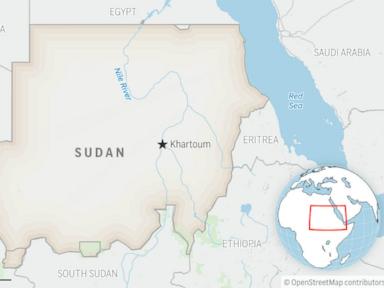
Safety regulations exist on paper, but enforcement is virtually non-existent in remote gold-producing states like West Kordofan, River Nile, or Darfur. Local authorities lack the resources, personnel, and political backing to police thousands of isolated dig sites scattered across unforgiving terrain.
Economic Desperation Outweighs the Risks
Why would anyone crawl into a collapsing tomb of earth? The answer is brutally simple. Extreme economic hardship leaves people with few alternatives. Inflation, currency devaluation, and ongoing political instability mean that traditional livelihoods have evaporated for millions of Sudanese citizens.
Gold mining offers a rare source of immediate cash in a collapsing economy. A lucky strike can transform a family's financial reality overnight, paying for food, medicine, and basic survival necessities. This high-risk gamble creates a gold rush mentality where safety warnings are brushed aside as minor inconveniences compared to daily starvation.
Informal syndicates and local armed factions often control these mining hubs, creating a complex web of patronage and protection. Miners pay steep fees to operate on specific claims, leaving them with narrow profit margins and even less capital to invest in basic shoring materials or structural safety audits.
The Environmental and Health Toll
The danger doesn't stop when the sun goes down or the shift ends. Artisanal gold processing in Sudan relies heavily on mercury and cyanide to amalgamate fine gold particles from crushed ore. Workers handle these toxic chemicals barehanded, breathing in mercury vapor during the burning process and dumping chemical waste directly into local soil and water sources.
Children and young adults work alongside seasoned prospectors, exposed to heavy metal poisoning that causes permanent neurological damage. Livestock drink from contaminated runoff pools, poisoning the local food chain. The human cost of Sudan's gold rush extends far beyond sudden mine collapses, manifesting as a slow-motion public health catastrophe that rarely makes the evening news.
Shifting Focus from Tragedy to Structural Reform
Every time a major shaft collapses, public outrage flares for a few days. Politicians promise stricter oversight, better equipment, and safer working conditions. Then the news cycle moves on, the makeshift camps reopen, and miners return to the shafts because poverty doesn't take a day off.
Real change requires moving beyond reactive sympathy. It demands formalizing the artisanal mining sector, providing accessible micro-loans for safety equipment, and establishing regional processing centers that eliminate the need for dangerous home-brewed chemical extraction. Until the economic root causes of this desperate labor are addressed, more tragedies will follow, and the toll will continue to climb while the earth quietly shifts back over the open graves.