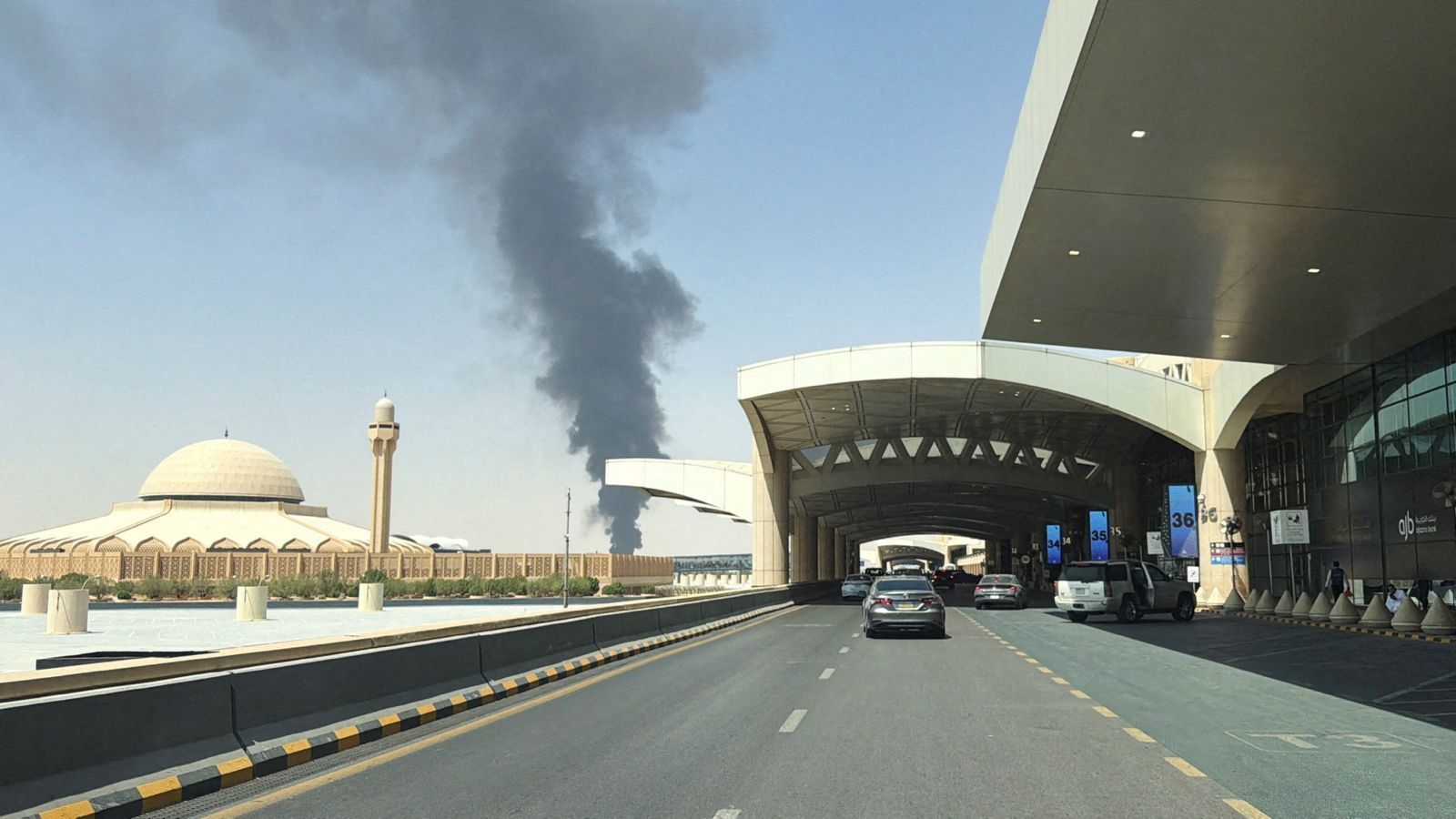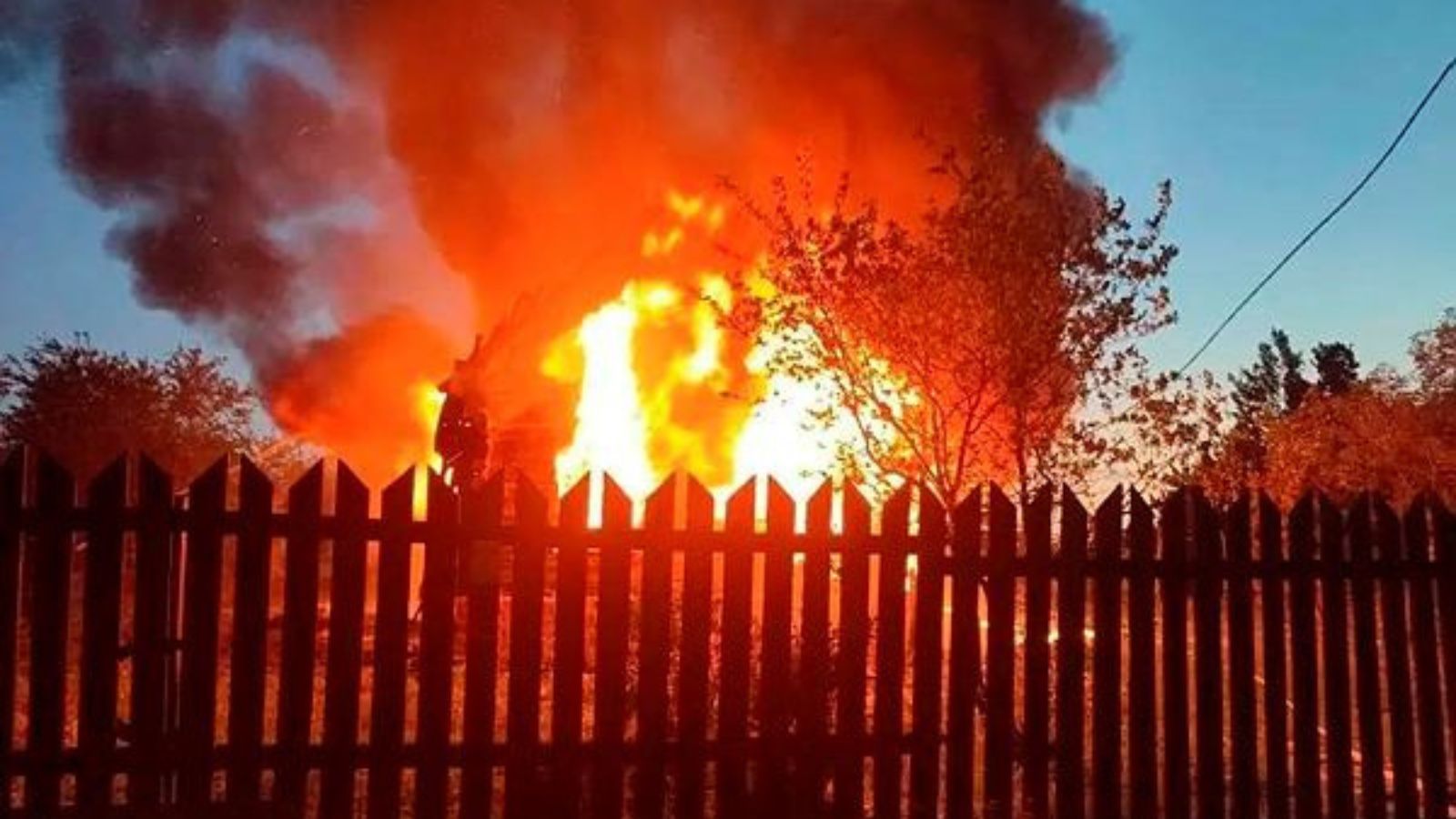
The operational calculus governing strategic infrastructure warfare has undergone a structural transformation. Recent coordinated long-range uncrewed aerial vehicle campaigns targeting Russian refining assets demonstrate a transition from symbolic strikes to systematic capacity degradation. By focusing on critical nodes within the downstream petroleum sector—such as primary crude distillation units and catalytic crackers—these campaigns exploit the tight margins of modern hydrocarbon processing to generate systemic economic friction.
The Operational Mechanics of Downstream Disruption
Modern petroleum refining relies on continuous-flow processing units that operate under extreme thermal and pressure constraints. Primary distillation columns, vacuum distillation units, and alkylation plants represent capital-intensive, highly specialized bottlenecks. Unlike upstream extraction wells, which can often be choked or capped with minimal permanent damage, or crude storage tanks that can be patched, specialized refining components require proprietary metallurgy, sophisticated control systems, and extended lead times for replacement.
When an uncrewed aerial vehicle strikes a primary processing unit, the resulting kinetic and thermal damage typically forces an emergency shutdown. The vulnerability of these facilities lies in three distinct operational dependencies:
- Specialized Component Dependency: Key assemblies, such as large-scale fractionators and compressor turbines, are largely sourced from specialized international manufacturers. Domestic substitution carries long procurement cycles and engineering lead times.
- Thermal Shock Sensitivity: Controlled cool-down and emergency depressurization protocols can cause structural warping in high-alloy steel piping and reaction vessels, converting a localized fire into a systemic mechanical failure.
- Grid and Utility Interdependence: Refineries depend on uninterrupted high-voltage electricity, industrial water supply, and hydrogen feeds. Secondary strikes on local power substations amplify the duration of processing outages.
Quant
Strategic Vulnerabilities In Air Defense Networks Analyzing Recent Attacks On Moscow
news, business
The recent escalation of long-range aerial strikes targeting the Moscow region exposes fundamental structural flaws in metropolitan air defense architecture and energy infrastructure distribution. When complex systems absorb high-velocity asymmetric strikes, the resulting operational disruptions extend far beyond localized structural damage. Evaluating these events requires stripping away reactive panic and examining the underlying mechanics of point-defense saturation, strategic depth limitations, and the economic friction imposed on centralized refining hubs.
The Physics Of Point Defense Saturation
Metropolitan air defense operates on a deterministic economic curve. Defending a high-value geographic center like Moscow requires a multi-tiered intercept matrix comprising early warning radar networks, high-altitude surface-to-air missile systems, and short-range point defense assets. However, defending a perimeter is inherently asymmetric.
Low-cost, long-range uncrewed aerial vehicles force defenders into an unfavorable expenditure ratio. When an attacking force deploys hundreds of low-radar-cross-section platforms, the defensive system encounters a processing bottleneck.
- Target Prioritization: Radar processing units must classify, track, and assign interceptors to hundreds of simultaneous signatures. This creates identification latency.
- Magazine Depth: High-tier interceptor missiles are finite, expensive resources. Exhausting them on low-value vectors degrades systemic resilience against subsequent, heavier waves.
- Kinetic Overload: Short-range gun-based point defenses have limited physical traverse speeds and ammunition capacity, allowing saturation vectors to slip through gaps in the terminal engagement envelope.
This saturation model explains why even technologically advanced defense umbrellas experience leakage. The failure is rarely a lack of capability; rather, it is a structural inability to maintain 100 percent interception efficiency across an expansive perimeter against variable-trajectory assets.
The Vulnerability Index Of Centralized Refining Infrastructure
The impact of aerial strikes on petroleum infrastructure is frequently miscalculated by evaluating only immediate physical damage. The true vulnerability lies in the architecture of centralized refining capacity.
Modern refining networks rely on tightly integrated, continuous-flow industrial processes. A disruption to a single critical node—such as a primary atmospheric distillation column, a catalytic cracker, or a centralized control substation—halts the entire production chain of the facility.
- Reconstitution Friction: Specialized heavy machinery, proprietary control software, and bespoke metallurgical components required to repair modern refineries cannot be procured off the shelf. Supply chain friction extends downtime from days to months.
- Logistical Bottlenecks: Refining clusters are typically anchored to specific regional pipeline networks and rail junctions. When a primary hub sustains damage, rerouting crude feedstock or finished product strains secondary logistics channels that lack excess capacity.
- The Secondary Margin Impact: Even a minor percentage reduction in national refining throughput generates disproportionate spot-market volatility. Insurance premiums for regional shipping spike, storage inventories draw down faster than projected, and domestic distribution networks experience localized rationing or price inflation.
Systemic Friction And Strategic Adaptation
The tactical employment of long-range aerial attacks against capital regions serves a dual purpose: kinetic degradation and cognitive disruption. By forcing the reallocation of advanced air defense batteries from active operational theaters to internal security zones, attackers achieve strategic leverage without engaging enemy front lines.
Simultaneously, the economic cost is measured in structural resilience. As refining facilities and command nodes absorb repeated friction, the state must choose between two suboptimal paths: accepting chronic industrial attrition or draining resources from frontline operations to establish permanent, layered fortresses around every critical asset within its interior.
The analytical takeaway is clear. Modern strategic depth is no longer measured solely in geographic square kilometers, but in the elasticity of industrial supply chains and the efficiency of resource allocation under continuous asymmetric pressure. Systems optimized for efficiency rather than redundancy will continue to fracture when exposed to low-cost, high-frequency systemic shocks.