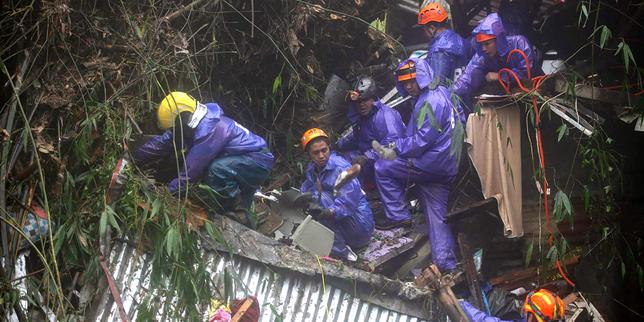
Torrential downpours across the Philippine archipelago have produced a minimum of thirteen fatalities, exposing a systemic disconnect between meteorological hazard warnings and physical vulnerability on the ground. When severe weather events strike densely populated regions, public discourse routinely focuses on cumulative rainfall totals. This metric alone provides poor predictive value for loss of life. Mitigating mortality requires analyzing the intersection of hydrological strain, urban infrastructure bottlenecks, and municipal evacuation efficiency.
The Three Components of Hydrological Vulnerability
Evaluating a catastrophic weather event demands breaking down the physical system into distinct operational variables. Traditional reporting treats flash floods as isolated acts of nature. Structural analysis treats them as the output of three compounding failures.
Precipitation Intensity and Saturation Thresholds
Rainfall volume ceases to matter once the soil column reaches total saturation. When antecedent precipitation has already filled sub-surface water retention capacities, subsequent precipitation converts immediately to surface runoff.
- The Runoff Coefficient: Urbanized surfaces covered in asphalt and concrete drive the runoff coefficient toward one. Every millimeter of rain translates directly into surface water velocity.
- Drainage Capacity Deficits: Municipal storm drainage networks are engineered for specific historical recurrence intervals, such as ten-year or fifty-year storms. When storm intensity exceeds design thresholds, these networks transition from conduits into pressurized underground hazards.
- Topographical Choke Points: Low-lying valleys and coastal floodplains act as natural collection basins. Water accumulates at rates proportional to upstream deforestation and inadequate basin zoning.
The Human Exposure Gradient
Fatalities concentrate where population density intersects high-risk geographical zones. Informal settlements built along riverbanks or on unstable hillslopes lack structural reinforcement against hydraulic pressure and soil liquefaction.
The primary driver of mortality in these zones is not structural collapse from wind shear, but rapid-onset inundation that traps residents before vertical evacuation can occur. Emergency response protocols fail when roads become impassable waterways before evacuation orders are broadcast or acknowledged.
Institutional Response Latency
Early warning systems operate on a linear chain: meteorological observation, data processing, government dissemination, and civilian action. A breakdown at any node in this chain creates a fatal delay.
Municipal authorities face a persistent optimization problem regarding evacuation thresholds. Ordering preemptive evacuations too early strains municipal resources and breeds public apathy during false alarms. Delaying the order until confirmation of flooding arrives guarantees that evacuation routes will be compromised.
The Cost Function of Delayed Evacuations
Economic and human loss scales non-linearly with response time. Let time zero be the moment hydrological thresholds are crossed. Every hour of delay in executing population displacement increases exposure to rising water velocities.
Risk = (Hazard Exposure * Vulnerability) / Mitigation Capacity
When mitigation capacity drops due to power outages, flooded transit corridors, and communication failures, the risk variable spikes exponentially. In the recent Philippine events, thirteen deaths serve as a localized indicator of systemic friction within this equation. The casualties are heavily concentrated among populations dependent on public transit networks that shut down during severe weather alerts.
Infrastructure Deficits and Urban Planning Failures
The recurring nature of typhoon-induced casualties in Southeast Asia points to foundational errors in urban land-use planning. Zoning laws frequently permit residential construction in known floodways due to population pressure and the scarcity of developable high ground.
- Encroachment on Natural Retention Basins: Wetlands and mangrove forests act as natural buffers against storm surges and riverine flooding. Reclaiming these areas for commercial or residential use removes the ecosystem's shock absorption capacity.
- Subsurface Maintenance Backlogs: Silt accumulation and solid waste clogging underground drainage channels reduce flow capacity by up to fifty percent in metropolitan centers. Routine municipal maintenance budgets rarely match the engineering requirements demanded by intensified tropical weather patterns.
Strategic Interventions for Municipal Resilience
Reducing fatalities from torrential rain events requires moving away from reactive emergency management toward predictive infrastructural hardening.
Decentralized neighborhood-level early warning networks must replace centralized sirens that fail to reach isolated or marginalized communities. Real-time telemetry monitoring of local river gauges, integrated with automated SMS dispatch systems, bypasses bureaucratic bottlenecks in government dissemination channels.
Mandatory structural audits of informal housing stocks along waterways must be paired with the development of elevated community refuge centers. If relocation proves politically or economically impossible in the short term, survival architecture designed to withstand dynamic water pressure is the only remaining physical barrier against mass casualty events.
Municipal authorities must shift their capital allocation models. Investment must move away from post-disaster humanitarian relief funds and toward pre-engineered watershed management systems. Until urban planning aligns with the physical reality of hydrological limits, seasonal rainfall will continue to translate directly into preventable mortality.