Anti-corruption sweeps in capital cities are frequently misread as moral crusades when they are, in operational reality, restructuring events of state-backed economic cartels. When Iraqi security forces deployed elite Counter-Terrorism Service units to seal the Green Zone at dawn, detaining dozens of high-ranking officials, lawmakers, and civil servants, public commentary focused on the theater of the raids rather than the economic mechanics of the network being dismantled. The sweep—initiated under Prime Minister Ali al-Zaidi following the interrogation of former Deputy Oil Minister Adnan al-Jumaili—reveals how resource-dependent states operate under institutionalized rent-seeking and how sudden enforcement shifts alter political risk equations.
Understanding this intervention requires analyzing the architecture of public resource extraction. Patronage networks in centralized hydrocarbon economies do not function through petty graft; they operate through institutional arbitrage.
The Economic Architecture of Institutional Rent Extraction
State capture in high-rent environments relies on three structural pillars that convert public assets into private capital without triggering immediate administrative friction.
- Supply Chain Infiltration: Controlling intermediary nodes within state-owned enterprises, particularly downstream and upstream oil distribution networks, allows actors to siphon commodities off the books. The investigation originating from the oil ministry highlights how deputy ministerial positions act as critical gatekeepers for resource diversion, including illicit fuel and oil smuggling operations.
- Legislative Shielding: Maintenance of illegal revenue streams requires legal insulation. Parliamentarians and political bloc leaders provide this by weaponizing immunity and controlling regulatory appointments. The timing of the Baghdad operation—executed precisely during the parliamentary summer recess—bypassed normal procedural bottlenecks regarding immunity waivers, demonstrating how structural timing dictates enforcement efficacy.
- Liquidity Laundering: Extracted capital must be absorbed into domestic or international property and financial systems. Asset seizures totaling tens of millions in liquid cash demonstrate a heavy reliance on physical currency reserves to bypass formal banking oversight mechanisms, pointing to vulnerabilities in anti-money laundering compliance across regional trade corridors.
The Cost Function of Elite Disruption
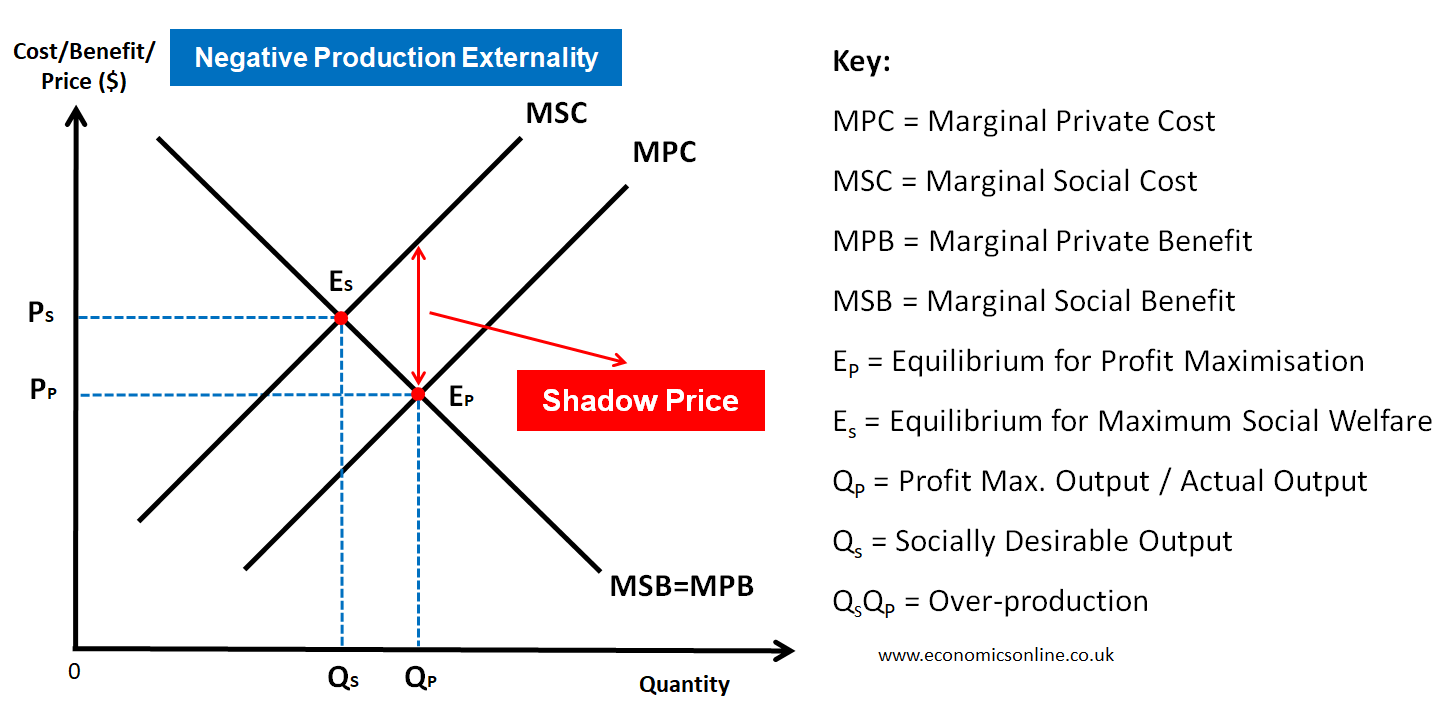
When an administration abruptly alters the enforcement gradient, the cost function for political elites shifts instantly. For decades, corruption operated within a predictable equilibrium: rent distribution maintained coalition stability among fragmented political factions. Prime Minister Ali al-Zaidi’s intervention disrupted this equilibrium by testing whether executive authority can override distributed patronage.
The mechanism of disruption followed a cascading investigative sequence.
[Primary Detention: Adnan al-Jumaili]
       │
       ▼
[Forensic Document Recovery & Confessions]
       │
       ▼
[Synchronized Green Zone Raids (47 Detained)]
       │
       ▼
[Asset Freezing & Interstate Patronage Realignment]
This sequence illustrates that high-level administrative arrests are downstream of data seizure. Once physical and digital ledgers are secured from primary targets like Jumaili, the velocity of secondary warrants accelerates exponentially. The involvement of figures spanning multiple political coalitions—including elements linked to both Sunni-aligned blocs and factions tied to the previous administration of Mohammed Shia al-Sudani—indicates that enforcement bypassed traditional sectarian lines, targeting transactional networks rather than nominal political affiliation.
Systemic Bottlenecks and Institutional Limitations
While the deployment of counter-terrorism assets to execute warrants signals unprecedented executive will, structural constraints limit the long-term viability of episodic purges.
Enforcement without judicial automation creates a recurring enforcement cycle. If the underlying bureaucratic incentives remain unchanged, removing individual node operators simply forces rent-seeking networks to adapt, increasing transaction costs for future corruption while leaving the institutional framework intact. Furthermore, external pressures—exemplified by concurrent diplomatic engagements involving international envoys and regional foreign ministers—introduce exogenous variables that can truncate domestic anti-graft mandates in favor of geopolitical stability.
The immediate tactical play for the executive branch involves converting recovered liquid assets and physical ledgers into permanent structural transparency measures within the oil ministry and procurement boards. Without replacing discretionary ministerial authority with algorithmic tracking of hydrocarbon distribution, subsequent networks will reconstitute under new political permutations. The operational success of the Baghdad sweeps is measured not by the volume of initial detentions, but by the permanence of the institutional friction introduced into the state's extraction pipelines.