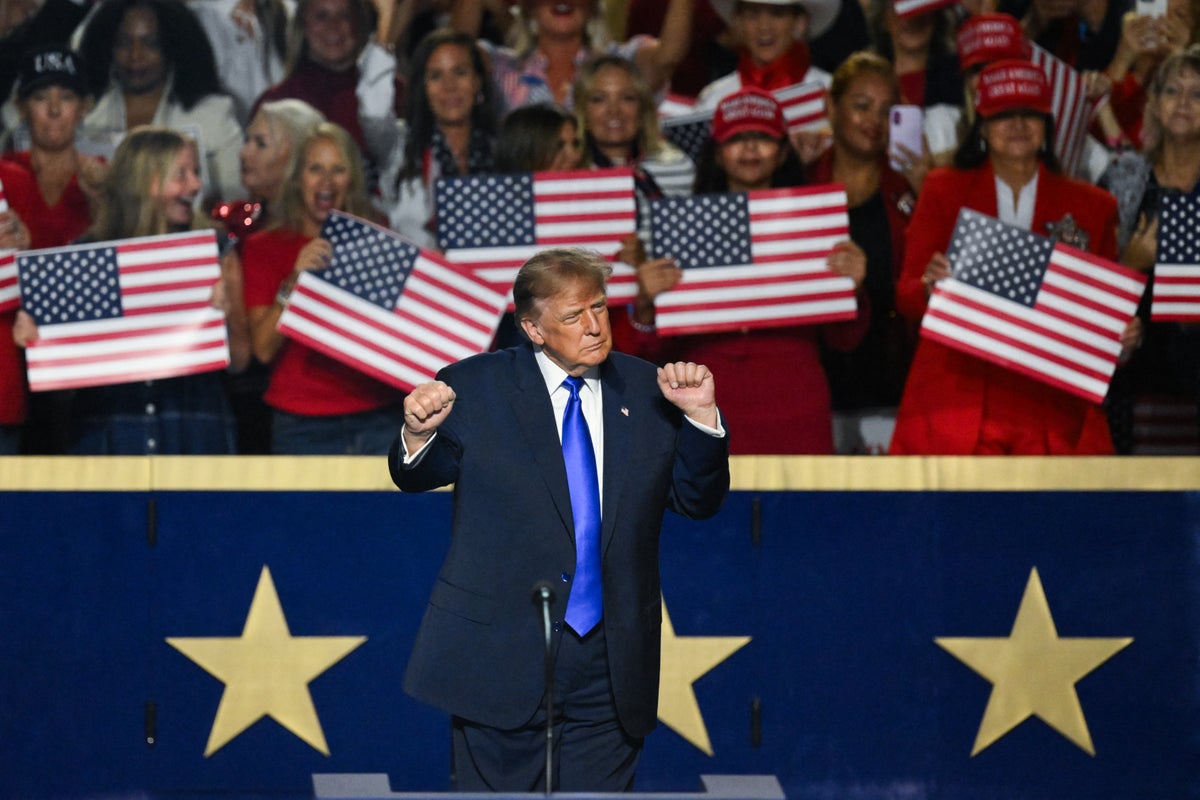
Political organizations facing systemic headwinds must alter the traditional transmission vectors between executive leadership and the electorate. The decision by the Republican National Committee to execute the first-ever midterm convention in Dallas, Texas, as reported by The Texas Tribune, represents a calculated institutional intervention. By examining the operational architecture of this gathering, analysts can deconstruct the underlying variables governing executive influence, legislative survival, and electoral resource allocation during a midterm cycle.
The Structural Deficit and Historical Headwinds
The incumbent executive party historically experiences a structural disadvantage in midterm elections. This phenomenon is driven by differential turnout models, where opposition constituencies exhibit higher baseline enthusiasm while the party in power suffers from policy fatigue. Current polling indicators place presidential approval metrics near thirty-eight percent, creating an adverse operating environment for congressional incumbents.
When macro-level economic anxieties intersect with active foreign policy engagements—such as the ongoing military operations involving Iran—down-ballot candidates face severe brand contamination. To counteract this downward pressure, the political apparatus deployed a centralized mobilization event designed to bypass fragmented local media markets and consolidate narrative control.
The Economic Incentive Function
A central component of the strategy introduced during the convention was a fiscal proposal: a pledged five-thousand-dollar dividend distributed to adult citizens contingent upon the retention of congressional majorities by the party. From a public finance perspective, executing a transfer payment of this magnitude exceeds one trillion dollars, raising immediate questions regarding fiscal feasibility and legislative mechanics.
However, evaluating this proposition strictly through conventional economic modeling misses its primary utility as a behavioral incentive mechanism. In political communication theory, high-salience cash transfer promises serve as attention anchors. The mechanism functions by shifting public discourse away from retrospective evaluations of inflation or military intervention and toward prospective financial outcomes.
Decentralized Risk Management by Candidates
A critical tension within the contemporary coalition involves the divergence between central executive branding and local electoral survival. Because national approval metrics remain depressed in competitive districts, numerous vulnerable Republican candidates elected to bypass the Dallas assembly entirely, opting instead for localized retail campaigning.
This creates a bifurcated risk management structure:
- Centralized Mobilization: The national apparatus utilizes high-cost, high-spectacle media events (reported to cost approximately forty million dollars to stage) to energize core donor bases and drive national fundraising.
- Localized Insulation: Vulnerable legislative candidates distance themselves from the national brand center to appeal to swing demographics within specific geographic boundaries.
The executive directive for voters to "pretend that I am on the ballot" is an explicit attempt to override this localized insulation, forcing a nationalized referendum framework onto races that would otherwise turn on regional dynamics.
Resource Deployment and Super PAC Integration
Concurrently with the convention programming, aligned political action committees—such as the No Going Back PAC—began deploying substantial financial reserves. The timing of these capital injections indicates an effort to saturate media channels precisely as voter registration and early-stage interest begin to crystallize.
The strategic deployment of capital mirrors corporate market defense strategies. When a brand experiences negative sentiment, defensive expenditure shifts from broad awareness campaigns to targeted retention operations within high-yield segments. By concentrating resources in crucial states like Texas—where Senate contests face competitive pressures—the political infrastructure aims to protect baseline assets rather than expand the electoral map.
Strategic Execution Vector
To stabilize legislative majorities under current approval constraints, the organizing apparatus must successfully execute three distinct operational adjustments: transition public discourse from historical grievances to future fiscal propositions, insulate competitive district candidates from national executive drag while maintaining donor enthusiasm, and leverage concentrated media staging to offset traditional ground-game disadvantages. The trajectory of the upcoming legislative cycle depends entirely on whether this centralized showmanship can effectively override decentralized voter hesitance.