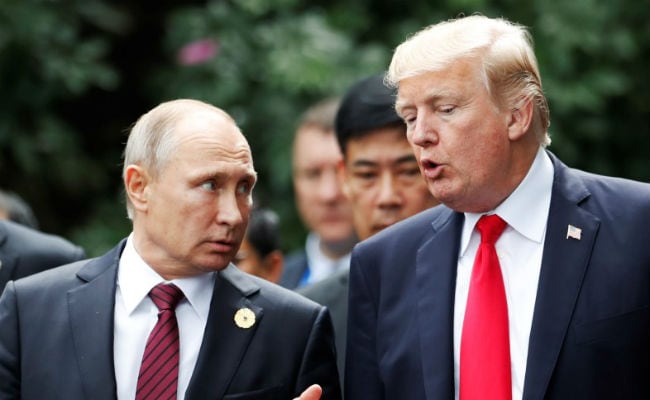
Diplomatic negotiations involving detained nationals typically adhere to strict, highly institutionalized bureaucratic pathways. State channels run through consular affairs, protecting power frameworks via intermediary embassies, and formal backchannel communications managed by intelligence services or career diplomats. When an external actor bypasses these traditional institutional channels, the operational dynamics shift from standardized interstate bargaining to personalized, transaction-based leverage. The reported release of a former United States Marine from Russian custody following interactions attributed to Donald Trump highlights an alternative mechanism of dispute resolution. This dynamic exposes structural vulnerabilities in conventional diplomatic protocols and underscores the utility of personalized leverage in high-stakes interstate friction.
Understanding this phenomenon requires deconstructing the architecture of state-to-state prisoner exchanges and hostage diplomacy. Modern nation-states operate under distinct incentive matrices when holding foreign nationals. Detainees frequently function as strategic assets, diplomatic currency, or domestic political collateral. Conventional statecraft attempts to extract these assets through prolonged legal maneuvers, prisoner swaps involving equivalent value, or economic concessions. These methods are bounded by legal frameworks, bureaucratic inertia, and public accountability. You might also find this similar story useful: Why Abolishing the Death Penalty in Lebanon is a Total Distraction.
When informal actors intervene, they introduce a separate variable into the equation: asymmetric signaling. Donald Trump operates outside the current administration's official diplomatic apparatus, yet he maintains a distinct form of political capital and direct brand visibility that foreign adversaries monitor closely. In authoritarian or centralized political systems, personalized diplomacy often carries more weight than institutional requests because it engages the direct interests of supreme decision-makers. Vladimir Putin operates within a highly centralized power structure where personal positioning, public optics, and transactional signaling dictate policy outcomes.
To evaluate how informal channels achieve results where institutional channels stall, we must examine the bargaining model governing high-stakes detentions. The primary variables in this model are the holding cost of the detainee, the political utility of the prisoner, and the perceived value of the concession offered in return. As reported in detailed reports by TIME, the implications are significant.
Institutional diplomacy struggles because the marginal cost of holding a detainee for an autocratic state is often low, while the institutional demand for legal due process is high. This creates a protracted stalemate. Bureaucratic negotiations require consensus, face-saving measures, and reciprocal concessions that can take months or years to calibrate. Each bureaucratic layer introduces friction, increasing the risk that domestic political shifts will derail the process.
Personalized channels compress this timeline by altering the signaling environment. When a high-profile political figure publicly or privately engages with a foreign leader regarding a specific detainee, the interaction bypasses standard diplomatic queues. The foreign leader faces a binary choice: maintain the status quo or use the release as a calculated gesture. This gesture serves specific strategic objectives for the adversary, such as signaling openness to future negotiations, creating domestic political friction within the rival state, or establishing a personal rapport outside official state constraints.
The structural mechanics of this transaction rely on three distinct phases: signal generation, leverage calibration, and execution.
Signal generation occurs when the informal actor utilizes public platforms or private channels to elevate the detainee's case beyond a standard consular issue. By framing the release as a personal request rather than an institutional demand, the intervention changes the nature of the transaction from a formal concession between hostile governments to a personalized exchange. This abstraction allows the adversary to grant the request without appearing to capitulate to institutional pressure or international legal bodies.
Leverage calibration depends on what the adversary perceives as the future utility of the interaction. Autocratic regimes rarely release high-value detainees without anticipating a return on investment. While official narratives often present such releases as humanitarian gestures or unilateral goodwill, political reality dictates that concessions are transactional. The leverage in this context is not derived from physical military or economic force, but from the implicit promise of future political alignment, the reduction of rhetorical hostility, or the disruption of unified opposition fronts.
Execution involves the operational handover, which must be carefully managed to satisfy domestic security requirements while preserving the narrative of informal triumph. The operational handoff requires coordination between intelligence agencies, state security apparatuses, and intermediaries who can verify the safety and immediate release of the individual.
The implications of this dynamic extend far beyond a single prisoner release. It establishes a parallel track of diplomacy that challenges the monopoly of the state department or foreign ministry over international relations. This parallel track introduces systemic risks to traditional foreign policy execution. When foreign adversaries realize that institutional channels can be bypassed in favor of personalized lobbying, they are incentivized to wait out current administrations and cultivate relationships with alternative political figures.
This creates a fragmented foreign policy environment where state adversaries can play domestic factions against one another. It complicates long-term strategic alignment because foreign policy objectives become subordinated to immediate, high-visibility tactical wins. Furthermore, the lack of institutional record-keeping and formal diplomatic protocols in these transactions leaves little room for accountability or verification of underlying commitments made during the process.
Analyzing the broader utility of this approach reveals a stark operational trade-off. Informal diplomacy offers speed and flexibility, bypassing bureaucratic gridlock to achieve immediate humanitarian or political outcomes. At the same time, it sacrifices predictability, legal precedent, and strategic coherence. Institutional diplomacy trades speed for security, ensuring that agreements are codified, reciprocal, and aligned with broader national security frameworks.
Future negotiations involving detained citizens will increasingly occur at the intersection of institutional statecraft and personalized influence. As communication channels diversify and centralized political power structures expand globally, the capacity of non-state actors or out-of-office politicians to alter state behavior will remain a potent, if destabilizing, force. Foreign policy apparatuses must adapt to this reality by incorporating real-time tracking of informal backchannels into their strategic intelligence assessments, recognizing that the monopoly on international negotiation is actively eroding.
Monitor the operational frequency of backchannel communications between foreign intelligence liaisons and representatives of prominent political figures outside the current executive branch, as these engagements serve as the primary leading indicator for shifts in high-stakes detention policies and bilateral friction points.