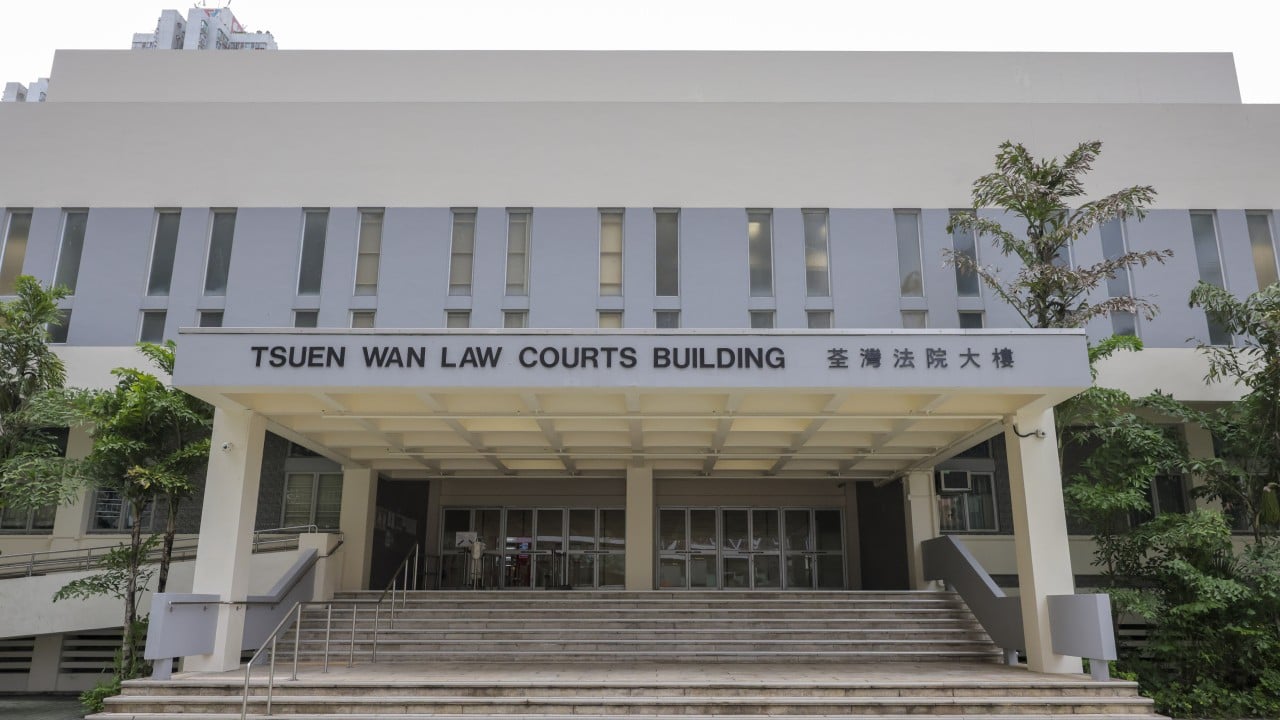
The conviction of a veteran Hong Kong police officer for accepting HK$1.14 million in bribes exposes a critical failure in the institutional safeguards designed to prevent the monetization of discretionary power. This case is not merely an isolated instance of individual moral hazard; it is a clinical study in how internal information asymmetries and the centralization of investigative authority create a marketplace for corruption. When a public servant can sell the "dropping of a case" as a commodity, the damage is measured not in the currency exchanged, but in the total erosion of the rule of law and the increased risk premium for every legitimate business operating within that jurisdiction.
The Tripartite Architecture of the Bribery Mechanism
The corruption identified in this case functioned through three distinct operational pillars. Without the alignment of these three factors, the illicit transaction would have been impossible to execute or sustain over the multi-year period cited by the prosecution.
- Discretionary Gatekeeping: As a senior inspector, the defendant held the power to influence the trajectory of criminal investigations. This gatekeeping function turns a procedural role into a market-making role. If an officer can unilaterally recommend the cessation of an inquiry or bury specific evidence, they possess a "shadow asset" that can be liquidated.
- Information Asymmetry: The private individual paying the bribe lacked visibility into the actual strength of the case against them. This allowed the officer to engage in "information arbitrage"—selling the promise of an outcome that might have occurred naturally, or inflating the perceived threat of prosecution to justify a higher bribe price.
- The Feedback Loop of Impunity: The initial acceptance of HK$500,000 established a precedent. In corruption economics, the first transaction is the most expensive in terms of risk; subsequent payments (the remaining HK$640,000) represent a lower marginal risk for the officer as the relationship becomes a "locked-in" partnership of mutual destruction if exposed.
Quantifying the Institutional Cost Function
The HK$1.14 million figure is a lagging indicator. The true economic cost of this breach is calculated through the distortion of the judicial process. We can categorize these costs into primary and secondary impacts.
Primary Costs: Resource Misallocation
Every hour a corrupt officer spends managing a "protected" case is an hour stolen from legitimate public safety efforts. This creates an internal tax on the police force where the highest-ranking talent is incentivized to work against the organization’s mission. The defendant’s 20-year tenure suggests that the "sunk cost" of his training and expertise was redirected toward the optimization of a private criminal enterprise.
Secondary Costs: The Trust Deficit
For the Hong Kong Police Force (HKPF), the secondary cost is a spike in the "friction" of daily operations. When public trust declines, intelligence gathering becomes more difficult and community cooperation drops. This necessitates higher spending on internal affairs and surveillance, shifting the budget from proactive policing to reactive internal policing.
The Failure of Internal Oversight Frameworks
The fact that these transactions occurred between 2019 and 2021 indicates a breakdown in the "Three Lines of Defense" model typically employed in high-risk governance:
- First Line (Management Control): Superiors failed to identify behavioral red flags or anomalies in the officer’s case-handling data.
- Second Line (Risk Oversight): The internal compliance systems did not flag the suspicious financial movements or the specific deviation in the prosecution's progress.
- Third Line (Independent Audit/ICAC): While the Independent Commission Against Corruption (ICAC) eventually secured the conviction, the multi-year delay suggests that the "detection lag" is still wide enough for significant capital to change hands.
The prosecution noted that the officer accepted the money in exchange for "favorable treatment" in a fraud investigation. This specific detail highlights a vulnerability in financial crime units: the complexity of the cases provides a natural shroud for corruption. In a simple theft case, the outcome is binary; in a complex fraud case, the "shades of grey" in evidence provide the necessary cover for an officer to claim that a case was dropped due to "insufficient evidence" rather than outside influence.
The Market Dynamics of the HK$1.14 Million Value
Why HK$1.14 million? In the illicit market for influence, pricing is rarely arbitrary. It is a function of the Expected Loss of the bribe-giver. If the person facing the fraud investigation stood to lose HK$10 million in assets or ten years of liberty, a HK$1.14 million bribe represents a rational, albeit illegal, hedge.
The officer, conversely, calculated his "Exit Price." For a senior official, the bribe must be large enough to offset the loss of a pension, future earnings, and social standing, adjusted for the probability of capture. The relatively low "price" of HK$1.14 million against the total destruction of a 20-year career suggests either a gross underestimation of the ICAC’s detection capabilities or a high level of personal financial desperation.
Reconstructing the Procurement of Justice
The logic applied by the District Court judge focuses on the "breach of public trust." From a strategic standpoint, this is a failure of the Principal-Agent Relationship. The public (the Principal) delegates authority to the officer (the Agent). Corruption occurs when the Agent begins serving a third party (the Bribe-giver) instead of the Principal.
To prevent a recurrence, the Hong Kong Police Force must address the "Normalization of Deviance." This is a process where small infractions are overlooked until they aggregate into a culture of systemic corruption. The defendant did not start with a HK$500,000 bribe; typically, these paths begin with smaller, "low-stakes" ethical compromises that recalibrate the individual's moral baseline.
Strategic Vulnerabilities in Investigative Discretion
The core of this conviction rests on the misuse of investigative discretion. To mitigate this risk, organizations must implement Algorithmic Oversight and Rotation Mandates:
- Forced Rotation: Senior officers in sensitive investigative units (Fraud, Narcotics, Organized Crime) should be rotated every 24 to 36 months. This prevents the formation of the long-term, "high-trust" relationships necessary for high-value bribery.
- Peer-Review Audits: No single officer should have the authority to recommend the "No Further Action" (NFA) status of a case without a blind review by a separate unit. This creates a "Double-Key" system similar to that used in nuclear or high-value financial transfers.
- Lifestyle Auditing: The discrepancy between a public servant’s salary and their lifestyle remains the most effective "heuristic" for detecting corruption. While invasive, it is the only way to close the gap between reported income and actual liquidity.
The Structural Realignment of the HKPF
The sentencing of the officer is a signal, but not a solution. The solution requires a fundamental redesign of the investigative workflow. The transition from a "Trust-Based" model to a "Verification-Based" model is mandatory for any institution managing high-stakes legal outcomes.
The current environment in Hong Kong, characterized by high capital flows and complex cross-border financial activity, increases the temptation for "regulatory capture" at the street level. As the value of the "cases" increases, the value of the "bribes" will follow an upward trajectory. If the internal monitoring systems do not evolve at the same rate as the complexity of the crimes being investigated, the "Cost of Justice" will continue to be set by the highest bidder rather than the law.
The legal system must move beyond the "Rotten Apple" theory—which posits that corruption is a localized failure of character—and embrace the "Systemic Vulnerability" theory. Character is a variable; systems are constants. By narrowing the window of individual discretion and increasing the frequency of external audits, the institution can raise the "Cost of Corruption" to a level that outweighs any potential illicit gain.
The final strategic move for the HKPF is not just the prosecution of one senior inspector, but the total automation of case-status logging and the removal of "unilateral dismissal" powers. Until the system makes it impossible for one person to kill a case, there will always be a market for those who try.
Strategic Action Plan for Institutional Integrity
To effectively immunize an investigative body against the specific failure modes seen in the HK$1.1 million bribery case, the following structural changes must be implemented:
- Decentralize Decision Tokens: Fragment the authority to halt investigations across multiple departments so that no single "gatekeeper" exists.
- Implement Forensic Financial Tracking: Mandate annual, transparent wealth declarations for all officers above a specific rank, backed by random forensic audits of offshore and domestic holdings.
- Narrow the "Information Gap": Increase the transparency of case progress to victims and legal representatives, making it harder for an officer to surreptitiously "bury" a file without raising external red flags.
- Enhance the ICAC Proactive Mandate: Shift the ICAC's role from a reactive investigative body to a proactive "red-team" that attempts to "bribe" or "test" the integrity of officers in high-risk units through controlled stings.
This case serves as a terminal warning: when the enforcers of the law become the brokers of it, the entire legal infrastructure shifts from a public good to a private commodity. The only defense is a system that assumes the fallibility of the individual and builds the architecture of the institution accordingly.