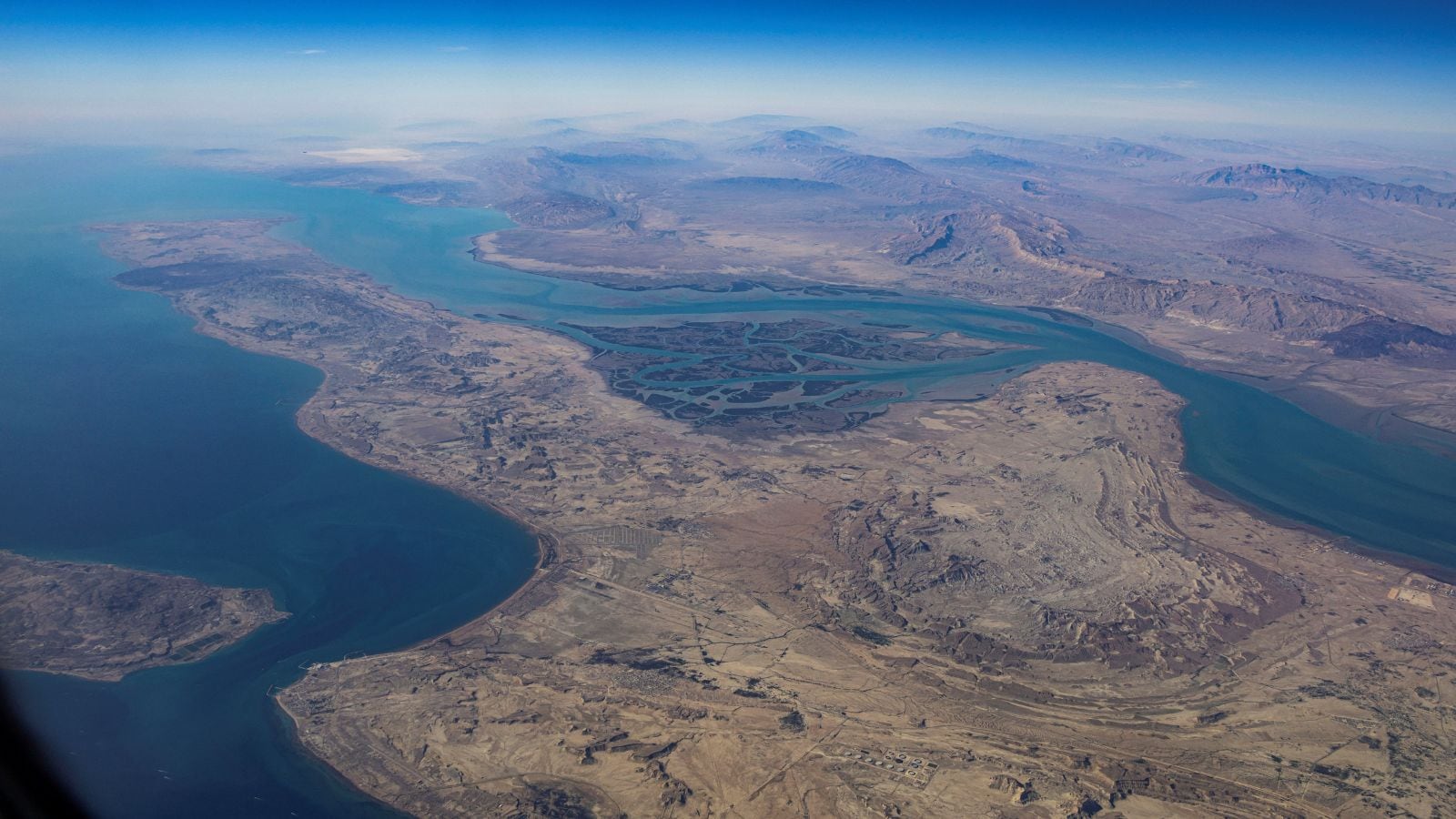
Geopolitical chokepoints operate on strict metrics of volume, geometry, and enforcement capacity. The announcement that Iran and Oman have converged on specific geographic coordinates for a shipping channel through the Strait of Hormuz represents a tactical shift in energy corridor control rather than an automatic resolution of systemic maritime conflict. Nearly one-fifth of global petroleum and liquefied natural gas supplies transit this corridor, elevating minor adjustments in navigation lanes into macroeconomic drivers for global energy pricing.
Deconstructing the mechanics of this bilateral arrangement requires analyzing the operational framework, the structural dependencies of the actors involved, and the precise variables that determine whether commercial transit can resume without triggering secondary escalations.
The Spatial Mechanics of the Bilateral Route
The geographic configuration under negotiation replaces standard international Traffic Separation Schemes with a bifurcated or intermediate transit model. Under the operational mechanics discussed by technical teams from Tehran and Muscat, inbound commercial vessels are routed primarily through waters proximate to the Iranian coastline, placing them under immediate Iranian tactical coordination. Conversely, outbound traffic utilizes channels tracking closer to Omani territorial waters.
This architectural split accomplishes two distinct objectives:
- It grants Tehran localized regulatory oversight over incoming maritime traffic, satisfying its strategic objective of exercising direct sovereignty markers over the northern basin of the Persian Gulf.
- It leverages Omani neutrality to provide a compliant exit vector that satisfies international legal requirements for non-belligerent state waters.
However, establishing coordinates does not equal operational clearance. The physical corridor remains encumbered by navigational hazards, including potential minefields and unverified debris resulting from months of kinetic conflict. The initial protocol demands that state-vetted vessels transit the channel to sweep and verify navigational safety before commercial operators resume standard schedules.
The Macroeconomic Cost Function
The closure of the strait introduced an immediate supply-side shock to global markets, driving up freight insurance premiums, forcing extended transit routes, and inflating energy input costs for industrial economies. The proposed Omani-Iranian framework incorporates a temporary zero-fee structure for transiting vessels, designed to lower the friction of reopening trade and provide immediate downward pressure on global fuel benchmarks.
Yet, this cost function is incomplete without factoring in external regulatory barriers. The operational viability of the route is conditionally bound to actions outside the direct control of Oman or Iran. Tehran has maintained that navigation rights remain contingent upon the complete cessation of the United States naval blockade targeting Iranian ports and the reinstatement of oil export waivers.
The system operates as an interdependent equation:
$$\text{Operational Flow} = f(\text{Route Coordinates}) \times g(\text{Mine Clearance}) - h(\text{External Naval Blockade})$$
If the subtraction variable representing the United States blockade remains active, the structural equation collapses, rendering any geographic agreement functionally inert regardless of bilateral mapping consensus.
Third-Party Friction and Strategic Leverage
Diplomatic friction centers on the competing interpretations of leverage. For Tehran, the strait serves as its primary strategic instrument to compel the relaxation of economic sanctions and military pressure. Ceding full control of the waterway without securing concessions on port blockades would strip the state of its primary geopolitical deterrence asset.
Conversely, extra-regional powers view any agreement that institutionalizes Iranian maritime checkpoints as an unacceptable structural compromise. Washington and its regional allies express persistent concern that a temporary corridor will morph into a permanent precedent, effectively granting Iran veto power over international energy transit. This dynamic explains why external actors are actively pressuring regional intermediaries to alter the proposed traffic flow into a single, internationally monitored lane rather than an asymmetric dual-channel system.
The enforcement mechanism relies entirely on reciprocal compliance. If commercial vessels pass without security incidents, the incentive structure favors keeping the channel open. If security breaches occur—whether via asymmetric strikes, unannounced inspections, or naval interdictions—the entire logistics chain reverts instantly to total disruption.
Implementation Vectors and Risk Parameters
Navigating out of the current energy bottleneck depends on the execution speed of three verifiable operational milestones:
- Ratification of the technical mapping documents by supreme political leadership structures in Tehran.
- Execution of physical mine-sweeping operations to certify draft depths and clear sub-surface hazards along the designated coordinates.
- Establishment of a synchronized enforcement mechanism between the United States naval presence and regional coastal authorities to prevent overlapping interdiction zones.
Any strategy relying on this corridor must account for the high probability of intermittent halts. Trust deficits between the primary belligerents ensure that operational stability will remain fragile during the initial sixty-day pilot window. Stakeholders in global trade must price in persistent volatility, treating the current diplomatic breakthrough as a conditional ceasefire in a broader infrastructural conflict rather than a permanent settlement of the Persian Gulf security architecture.