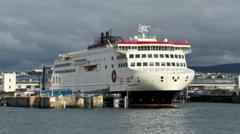
The diesel exhaust usually hits your nose before the horn sounds. It is a sharp, familiar stench that smells like work, like home, like the start of a morning commute across open water. For islanders, that sound—the deep, chest-rattling reverberation of the main ferry pulling into the slip—is the pulse of daily life.
Then comes the silence.
When a primary vessel goes offline for scheduled maintenance, people adjust. They tweak their calendars. They buy an extra bag of flour. They make peace with a week or two of cramped schedules on smaller auxiliary boats. But when a routine shipyard stay turns into an extended, indefinite delay, the quiet around the dock transforms from a temporary inconvenience into a slow-moving crisis.
This is not merely a story about steel hulls, worn drive shafts, or supply chain bottlenecks in marine manufacturing. It is a story about what happens to a community when its only moving bridge breaks down, and the timeline for fixing it simply vanishes.
The Weight of a Broken Schedule
Imagine living in a town where the main highway is suddenly gated off, not for a weekend of paving, but for an unfolding sequence of "just a few more weeks."
Consider a hypothetical island resident—let us call her Sarah—who runs a small bakery three miles from the ferry terminal. Her flour arrives by regional freight lines. Her morning rush consists of commuters heading to mainland jobs. Her afternoon sales depend on visitors stepping off the passenger deck with time to kill.
When the ferry stays in drydock, Sarah’s world shrinks instantly.
The freight truck cannot get a guaranteed spot on the smaller backup vessel, so her ingredient costs spike by forty percent to cover rush cargo rates. The morning commuters are gone, forced to take an adjusted, early-bird run on a boat half the size, leaving no time to grab coffee or a warm pastry. The tourists stay home altogether because the local transportation authority issued a travel advisory warning of long vehicle queues and long waits.
Multiply Sarah by an entire island economy.
Restaurants trim their hours. Medical appointments on the mainland get rescheduled for three months out because nobody can risk missing the last return boat of the evening. Local construction crews sit idle waiting for concrete mixers trapped on the wrong side of the channel. The economic bleed is quiet, constant, and brutal.
Steel, Salt, and Unforgiving Realities
Marine engines do not care about human schedules. Saltwater eats metal. Salt air degrades electronics. Giant steel structures operating under continuous load in harsh marine environments require precision maintenance that cannot be rushed without courting catastrophe.
When engineers pull a vessel into a shipyard and open up the gearboxes, what they find is often far worse than what the diagnostic models predicted. A minor seal replacement turns into a full shaft alignment failure. A routine hull inspection reveals thinned steel plating beneath the waterline that requires immediate cutting and welding under strict safety regulations.
Then there is the modern reality of parts availability. A specialized marine bearing or a custom-manufactured propeller shaft does not sit on a shelf in a regional warehouse. It is forged in specialized foundries, often overseas, and shipped under complex logistics chains. If that part hits a delay, the entire shipyard schedule freezes. The vessel stays high and dry, perched on wooden blocks, while an entire region waits for a tracking number to update.
It is easy to blame management or point fingers at transit officials. But marine infrastructure exists in a tight discipline where shortcuts lead to tragic headlines. The frustration of a delayed boat is real, but the alternative—putting a compromised vessel back into heavy sea conditions—is unthinkable.
Life in the Queue
Walk down to the slip on a Tuesday afternoon during an extended outage. The atmosphere is starkly different from the normal hustle of island transit.
Vehicles line up hours before the scheduled departure. Drivers sit with their engines off, windows cracked, listening to marine radio updates or scrolling through local social media groups where rumor and fact collide in real time.
"Is the four o'clock full?"
"They’re holding space for an ambulance."
"Expect a two-boat wait if you’re driving a truck."
You see people studying each other across the asphalt. There is a strange, shared endurance in the queue. Strangers share thermos coffee. Neighbors trade updates on who managed to get a standby spot for a doctor’s visit in town. The line becomes a temporary town square, born of shared friction.
The backup boats—smaller, older, slower—try their best to plug the gap. Their crews work exhausting double shifts, tying off lines, directing crammed vehicle decks, and fielding the exasperated questions of tired passengers. These workers are on the front lines of a system stretched past its limits, wearing the fatigue on their faces as they guide bumpers within inches of each other just to squeeze one more car onto the deck.
The Invisible Stakes
We tend to take mobility for granted until the connection snaps.
When a highway bridge closes, detours add fifteen or twenty minutes to a drive. When a ferry line fails, the detour is not a different road—it is a six-hour wait, a missed shift at work, or an overnight stay in a mainland hotel you cannot afford.
The true cost of extended maritime delays is rarely captured in official press releases. The announcements cite engineering terms, shipyard timelines, and regulatory compliance checks. They offer polite apologies for the inconvenience.
What they miss is the human texture underneath:
- The high school athlete missing the regional playoff game because the team bus could not secure a reservation.
- The elderly resident worrying if their prescription delivery will make the evening freight run.
- The independent contractor losing thousands of dollars in canceled home repair jobs across the water.
These are not minor annoyances. They are structural disruptions that test the resilience of places bound to the water.
Standing on the Dock
The tide goes out, pulling water away from the weathered wooden pilings of the empty ferry slip. The sun dips low, casting long shadows across an empty staging lane that should be packed with homebound traffic.
Living by the water means accepting a contract with nature and machinery. It requires patience, flexibility, and a willingness to adapt when the link breaks. But as the days turn into weeks and the updates remain vague, that patience wears thin against the reality of daily life that cannot simply be paused.
Across the water, the shipyard lights burn late into the night. Mechanics turn wrenches on massive steel components, fitting parts that will eventually bring the system back to life. Until then, the island waits, watching the horizon, listening for the horn that signals the return of their moving road.