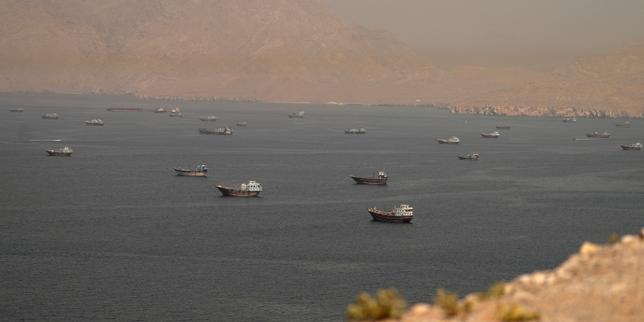
Thousands of sailors have been trapped in one of the most volatile choke points on Earth. The UN maritime agency finally started moving them out. This isn't just a political talking point. It is a massive humanitarian disaster unfolding right on our shipping lanes.
The International Maritime Organization recently confirmed that the evacuation of roughly 11,000 marins stuck in the Strait of Hormuz is underway. These crew members have been stranded on commercial vessels for weeks under brutal conditions. While diplomatic talks dragged on, global supply chains stuttered. But the real story isn't the oil or the delayed cargo. It is the people trapped on those ships.
If you think this doesn't affect you, think again. A huge chunk of the world's energy passes through this narrow stretch of water. When shipping halts, global economies feel the squeeze. Here is what is actually happening on the water and why the resolution of this standoff matters so much.
The Human Cost of Geopolitical Standoffs
We often look at maritime conflicts through the lens of trade volume and oil prices. That is a mistake. The true cost is paid by the crews who find themselves used as political pawns.
Imagine being stuck on a steel hull in scorching Gulf temperatures with dwindling supplies. That was the reality for these 11,000 workers. Crews face immense psychological strain during these blockades. They don't know when they will see their families. They don't know if their ship will become a target.
The International Maritime Organization stepped in because the situation became entirely unsustainable. Ocean transport relies on a global workforce that is often invisible until something goes terribly wrong. Turning merchant sailors into collateral damage threatens the stability of the entire global trade network.
Understanding the Strategic Importance of the Strait
The geography of the region creates a natural bottleneck. It connects the Persian Gulf with the Gulf of Oman and the Arabian Sea. It is the main artery for energy exports from the Middle East.
A disruption here sends shockwaves through international markets. Shipping companies face skyrocketing insurance premiums when transit routes become unsafe. Many operators choose to reroute vessels entirely around the Cape of Good Hope. That choice adds thousands of miles and millions of dollars in fuel costs to every single voyage.
Those extra expenses don't just disappear. Shipping lines pass them down the supply chain. Eventually, regular consumers see the impact in retail prices and energy bills. Safe passage through these international waters is vital for global economic stability.
What Happens Next for Global Shipping Lanes
The current evacuation operation is a complex logistical challenge. Moving thousands of crew members safely out of a high-risk zone requires intense international cooperation. Local authorities, home countries, and maritime agencies have to coordinate flights, temporary transit visas, and relief crews.
Replacing these stranded workers is the next major hurdle. Ships cannot simply be left abandoned in active shipping lanes. They require skeleton crews to maintain vital systems and prevent environmental hazards. Finding fresh crews willing to fly into a tense region to board these vessels will take time and significant financial incentives.
Maritime security experts suggest that insurance companies will keep premiums high for the foreseeable future. The successful evacuation relieves the immediate humanitarian crisis but it does not fix the underlying political instability. Vessel operators are already adjusting their long-term strategies to avoid prolonged stays in the area.
Ship owners are demanding stronger guarantees from international naval coalitions to protect commercial lanes. Without permanent security assurances, the threat of another sudden shutdown remains high. Operators need predictable routes to keep global trade moving efficiently. They will continue to favor longer, safer paths if diplomatic solutions fail to guarantee long-term safety.


