Whenever Middle East tensions flare, Western analysts immediately fall for the exact same geopolitical melodrama.
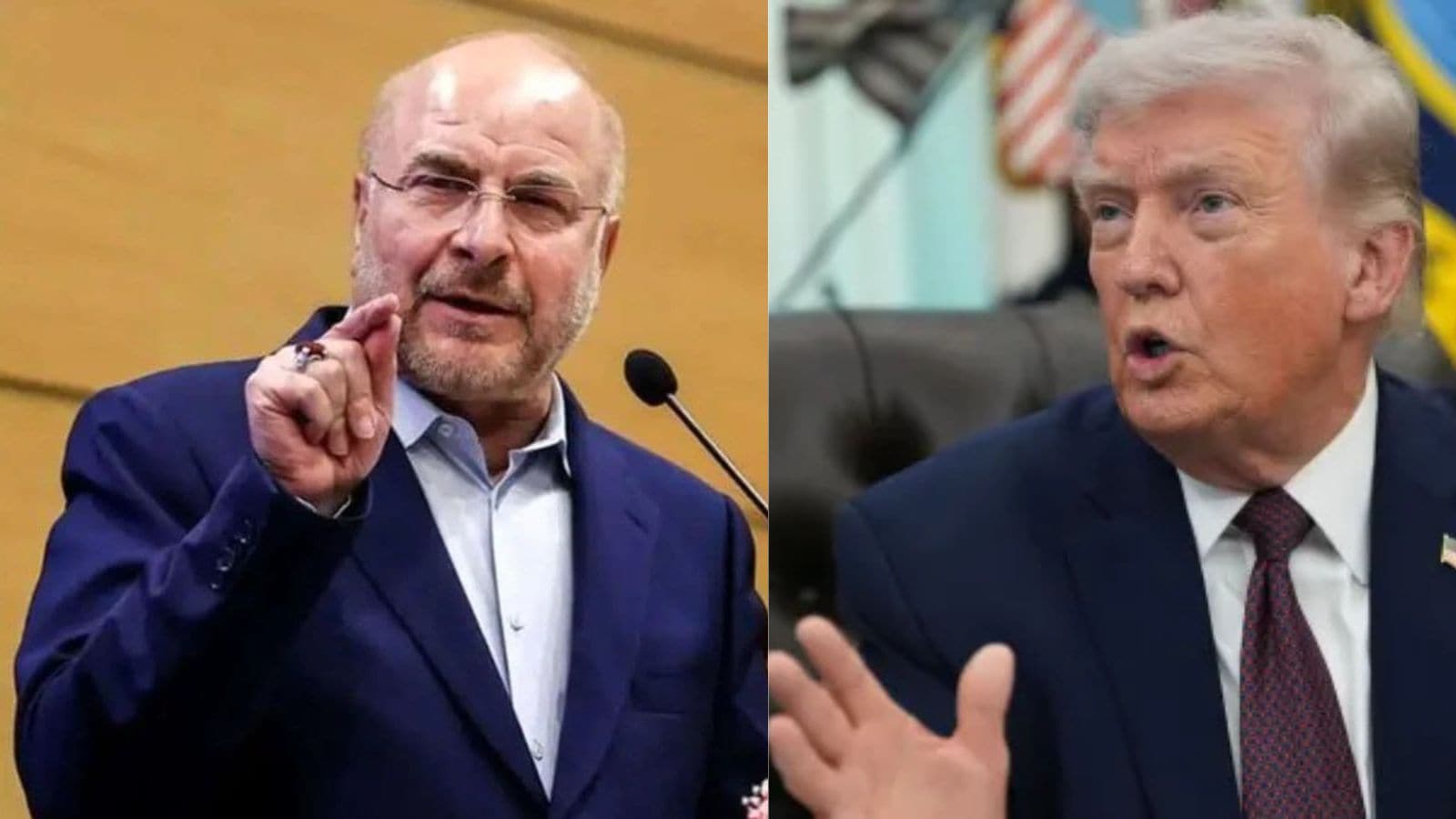
Iranian Parliament Speaker Mohammad Bagher Ghalibaf recently issued his latest ominous warning: if Tehran can’t export oil, "no one will sell oil in the region". Cue the media panic, stock market jitters, and endless hot takes on how the global economy is one naval blockade away from absolute collapse.
It’s a masterclass in theatrics. It’s also completely detached from economic reality.
The mainstream consensus wants you to believe Iran holds a chokehold on global energy. That narrative rests on a fundamental misunderstanding of modern oil logistics, sovereign balance sheets, and Beijing's geopolitical leverage over Tehran.
Here is the truth: Iran cannot block the Strait of Hormuz without committing economic suicide, infuriating its sole economic lifeline, and destroying its own political survival.
The Asymmetric Suicide Pact
Let's dismantle the basic premise. Tehran claims that if its exports are blocked, it will pull down the entire Gulf energy export engine with it. "Either all or none," Ghalibaf blustered.
This ignores how oil infrastructure actually operates.
Saudi Arabia, the UAE, and neighboring states have spent decades building bypass pipelines designed specifically to circumvent the Strait of Hormuz. The East-West Crude Oil Pipeline in Saudi Arabia can move over 5 million barrels per day directly to Red Sea ports like Yanbu. Abu Dhabi’s Habshan-Fujairah pipeline shifts over 1.5 million barrels per day directly to the Gulf of Oman, completely outside the Strait.
Iran, on the other hand, has virtually zero flexibility. Nearly all of its crude export capacity relies directly on Kharg Island inside the Gulf.
If transit through the Strait grinds to a halt, Gulf monarchies suffer temporary logistical friction and higher insurance premiums. Iran suffers instant financial asphyxiation.
Beijing holds the real remote control
Analysts love treating Iran as a rogue rogue state acting in a vacuum. They ignore the biggest elephant in the room: China.
Tehran isn't selling oil into a open, competitive global market. Due to Western sanctions, roughly 90% of Iranian crude exports flow directly to Chinese "teapot" refineries via shadow fleets.
Imagine a scenario where Tehran actually manages to shut down the Strait of Hormuz.
Who suffers most? Not Washington. The United States is a net crude exporter.
It is China—the world’s largest crude importer—that relies heavily on Middle Eastern energy flows to keep its industrial base breathing. If Tehran shuts down transit through Hormuz, it doesn't just anger the US military; it directly cuts off energy to its only real patron in Beijing.
Beijing does not tolerate regional instability that threatens its own energy security. The moment Iranian saber-rattling moves from Twitter posts to actual maritime blockades, China pulls the financial plug on Tehran.
Without Chinese buyers, the Iranian regime cannot pay its security apparatus or maintain basic public services. The threat isn't a weapon against the West; it's an empty posture that Tehran's own buyers won't allow them to execute.
The Market Has Already Moved On
The "Strait Shock" narrative assumes crude markets operate like they did in 1973. They don't.
Western traders treat Ghalibaf's statements like an existential crisis, but paper markets tell a very different story. Every time Tehran threatens the Strait, crude spikes for 48 hours, algorithms trade the headlines, and then prices settle back down once physical supply realities reassert themselves.
Why? Because market participants know two things:
- Strategic Reserves are massive: Western nations and Asian powers hold months of supply in strategic petroleum reserves specifically designed to absorb short-term supply shocks.
- Non-OPEC production is booming: US, Brazilian, and Guyanese oil production continues to hit record highs, systematically diluting the Middle East's market share every single year.
The Middle East no longer has a monopoly on global energy leverage. A temporary disruption in Hormuz causes a price spike, not an economic apocalypse.
Stop Trading Headlines, Look at the Balances
The media loves a good crisis narrative because panic drives clicks. Geopolitical bluster from politicians looking to project strength to domestic audiences is taken as gospel.
I’ve watched energy desks burn through millions in hedging capital panicking over Middle Eastern threats that never materialize. The playbook is always the same: a loud public statement, a headline frenzy, a temporary crude rally, and zero structural disruption.
Instead of falling for the theater:
- Distinguish between capability and intent: Iran has the tactical capability to mine a shipping lane, but zero strategic intent to cut its own fiscal throat.
- Watch Beijing, not Tehran: The minute Chinese state-owned tankers clear out of the Persian Gulf, worry. Until then, it's just noise.
- Track physical infrastructure over rhetoric: Pipelines bypass straits. Speeches don't stop crude flow.
Ghalibaf’s "all or nothing" threat isn't a projection of power. It’s the desperate posturing of a regime running out of leverage in a world that has quietly learned to live without them. Stop buying the bluff.