Geopolitical signaling in modern maritime conflicts has shifted from formal diplomatic communiqués to weaponized internet aesthetics, exemplified by official state social media accounts overlaying 3D hydrographic models of the Strait of Hormuz with classic puzzle video game grids. Beneath the viral nature of such state-sponsored internet taunts lies a severe economic and logistical calculation: the asymmetric cost imbalance of naval mine warfare versus clearance operations. The strategic deployment of even a rudimentary inventory of sea mines within a narrow maritime chokepoint forces an immediate spike in global energy risk premiums, dictating that the true value of mine warfare is not measured by vessels sunk, but by insurance rates imposed, transit speeds reduced, and naval mine countermeasures assets tied down.
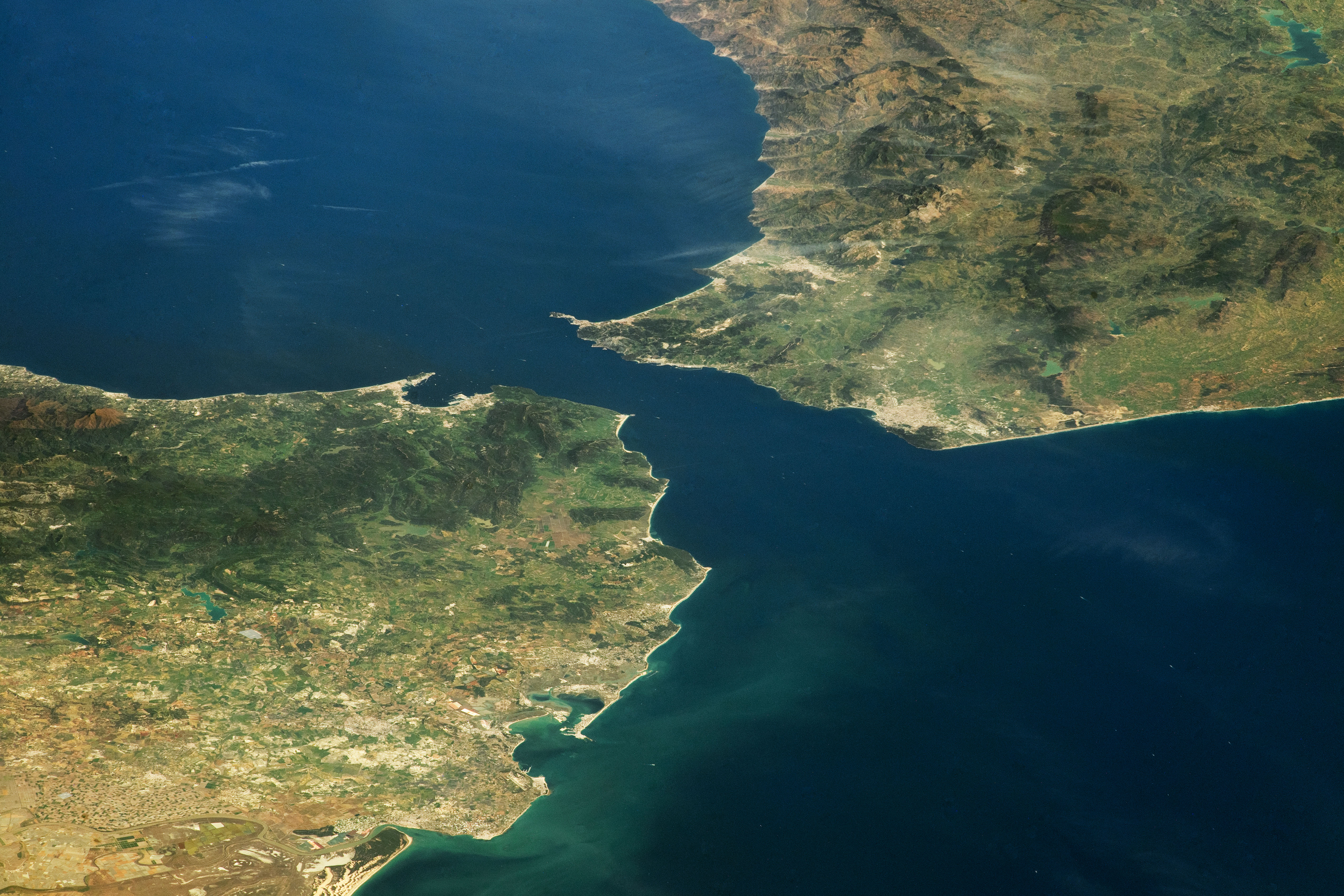
The structural vulnerability of the Strait of Hormuz stems from its narrow geographic dimensions. Approximately 21 miles wide at its narrowest point, the inbound and outbound shipping lanes are each only two miles wide, separated by a two-mile buffer zone. This physical bottleneck funnels roughly a fifth of the world's petroleum consumption past littoral territory controlled by a state actor with decades of asymmetric naval doctrine refinement. When regional flashpoints escalate, the threat calculus does not rely on high-cost capital ships or advanced blue-water fleets. Instead, defense planners look to the low-cost manufacturing and distributed deployment of contact, acoustic, and magnetic influence mines. For another look, see: this related article.
Naval mine warfare operates on an extreme economic asymmetry. A basic moored contact mine or an advanced bottom-laid influence mine can cost a fraction of a hundred thousand dollars to produce and deploy via converted commercial vessels, speedboats, or coastal rocket artillery launchers on islands like Larak. Conversely, neutralizing that threat requires specialized Mine Countermeasures Vessels, heavy-lift aviation, and saturation operations by elite clearance divers, which carry astronomical operational expenditures per day at sea. Furthermore, commercial underwriters factor these tail-risk probabilities directly into hull and machinery insurance policies. A confirmed or suspected mine threat triggers a structural freeze on maritime transit, as shipowners refuse to risk multi-hundred-million-dollar ultra-large crude carriers for marginal operational margins.
The strategic mechanics of clearance operations highlight the persistent advantage held by the minelayer. Clearing a charted shipping lane involves acoustic sweeping, mechanical drag lines, and targeted remotely operated vehicle interventions. Each pass through a hazardous corridor exposes high-value naval assets to localized anti-ship missile batteries, fast-attack craft swarms, and coastal surveillance networks. When United States Central Command executes operations to clear Iranian sea mines from international transit lanes, the initiative is inherently defensive and reactive. The defending force retains the option to re-seed cleared sectors using hidden caches or dispersed launch platforms faster than an intervening naval coalition can systematically sanitize the entire basin. Related analysis on the subject has been shared by TIME.
This dynamic explains why state-level actors utilize digital psychological operations to amplify physical military friction. By framing maritime choke points through the lens of a game where a single misstep triggers systemic detonation, Tehran leverages cognitive warfare to reinforce the deterrent effect of its physical munitions. The economic penalty is paid globally through fluctuating Brent crude futures and deferred maritime logistics, proving that tactical payloads do not need to detonate to achieve their strategic objectives. The operational challenge for intervening navies remains breaking this cycle of asymmetric friction without committing to a protracted, resource-intensive occupation of hostile littoral zones.
To neutralize the strategic leverage of maritime choke-point mining, naval planners must transition from reactive clearance models to persistent distributed surveillance architectures. Deploying autonomous underwater vehicles equipped with real-time synthetic aperture sonar along narrow transit corridors allows automated detection of bottom-laid anomalies before mine-laying activities crystallize into transit prohibitions. Maritime security operations in the Persian Gulf ultimately succeed or fail based on the speed of anomaly classification rather than the brute-force sweep of post-crisis shipping lanes.