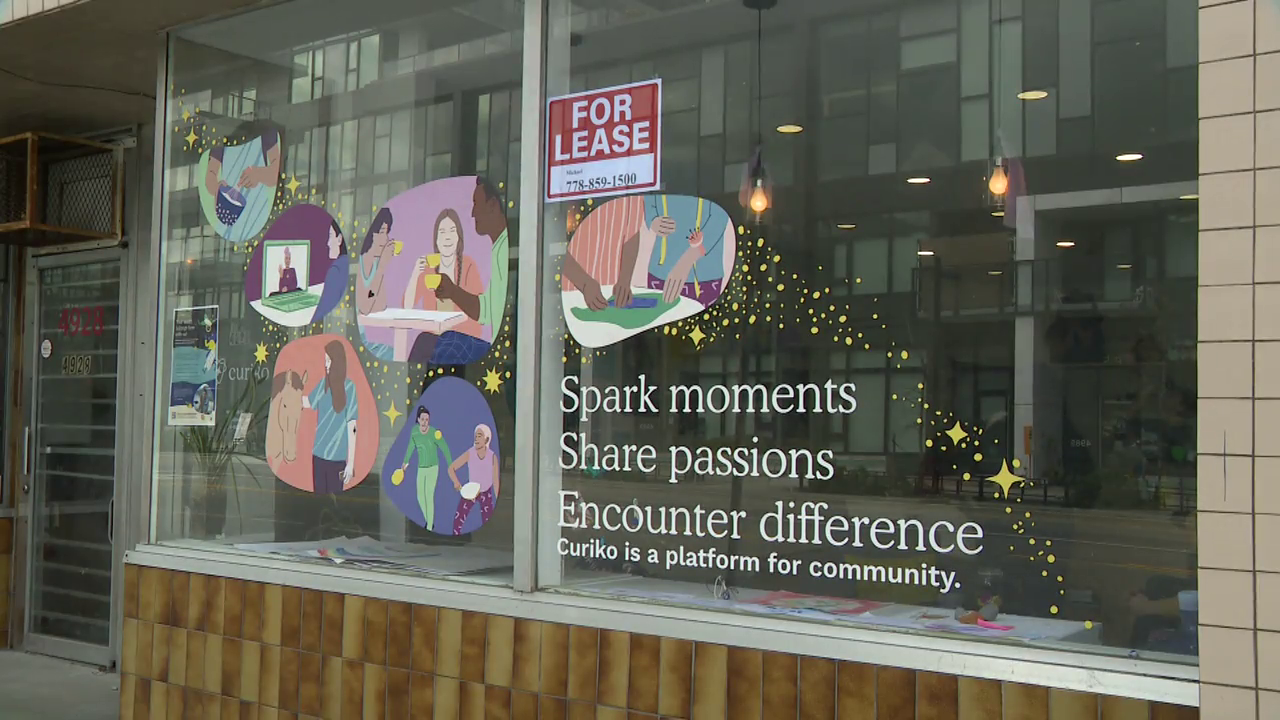
British Columbia is currently gripped by a predictable, performative outrage cycle. A non-profit loses its provincial funding, the headlines scream about "heartless cuts," and the public reaches for their pitchforks without glancing at the balance sheet. This isn't a story about a government abandoning its most vulnerable citizens. It is a story about the inevitable collapse of a bloated, inefficient service model that treats people with disabilities as permanent liabilities rather than individuals capable of autonomy.
The competitor narrative suggests that more money equals better lives. It doesn't. In the world of social services, more money often just equals more middle managers, more "awareness" campaigns that achieve nothing, and a deeper entrenchment of the status quo.
The Non-Profit Industrial Complex
We have built a system where non-profits are incentivized to keep their "clients" dependent. If a person with a disability becomes fully integrated into the workforce and no longer requires intensive daily support, that non-profit loses its justification for a budget increase next year.
I have spent years watching boards of directors prioritize "organizational sustainability" over the actual mission. When B.C. pulls funding from a specific organization, they aren't necessarily cutting services; they are often ending a contract with a provider that failed to evolve. The outrage assumes that these organizations have a divine right to taxpayer dollars regardless of the results they produce.
The reality is that many of these legacy providers are running 1990s-era programs in a 2026 economy. They focus on "life skills" that never translate to actual employment and "social outings" that keep disabled individuals siloed in a separate reality from the rest of society.
The Efficiency Gap
When you look at the overhead of these large non-profits, the numbers are staggering.
- Executive Salaries: Often mimic the private sector while delivering public-sector lethargy.
- Real Estate: Maintenance of massive, underutilized facilities that serve as physical reminders of segregation.
- Bureaucratic Friction: The sheer amount of paperwork required to "track" progress without ever achieving a definitive outcome.
Direct Funding is the Only Moral Path
If we actually cared about people with disabilities, we would stop handing massive blocks of cash to institutions and start handing it directly to the individuals. This is the "Individualized Funding" model, and it is the only way to break the cycle of dependency.
Imagine a scenario where a person with a physical disability receives their support budget directly. They can choose to hire a neighbor, pay a student for specific hours, or invest in assistive technology that makes a professional caregiver unnecessary. Currently, the non-profit model forces that person to accept whatever staff member the agency sends over—often a revolving door of underpaid, burnt-out workers who have no personal connection to the client.
Direct funding introduces competition. If an agency provides poor service, the individual takes their money elsewhere. In the current "block funding" model, the individual is a captive audience. They have no leverage.
Why the "Experts" Hate This
The biggest opponents of individualized funding are the very non-profits currently crying about "cuts." They claim that disabled people aren't capable of managing their own budgets or that the "market" will exploit them.
This is paternalism masquerading as protection. It’s an insult to the intelligence and agency of the community they claim to serve. They aren't worried about the vulnerable; they are worried about their own job security. If the money follows the person, the inefficient agency dies. As it should.
The Myth of the "Vulnerable" Victim
The media loves the word "vulnerable." It’s a convenient label that strips away a person’s complexity and replaces it with a need for pity.
By framing every funding adjustment as a "blow to the vulnerable," we ignore the fact that many people with disabilities are brilliant, capable, and ready to work—if only the system would stop treating them like charity cases. The current funding structure in B.C. rewards "maintenance" rather than "transition."
If you want to see real advocacy, look at the entrepreneurs with disabilities who are building their own solutions because the legacy non-profits were too slow to adapt. They don't want a "day program" where they sit in a circle and paint; they want high-speed internet, accessible transport, and the same shot at a career as everyone else.
High-Stakes Accountability
When a government cuts a contract, the first question shouldn't be "How will this non-profit survive?" It should be "What was the ROI on human dignity?"
If an organization has been receiving millions for a decade and their "graduates" are still stuck in the same cycles of poverty and isolation, the funding shouldn't just be cut—it should have been pulled years ago. We have a morbid fascination with the input (how much we spend) and a total blindness to the output (how many lives were actually transformed).
The Risk of the New Model
Yes, moving to a person-centered, competitive model is risky. Some people will make poor choices with their budgets. Some will be taken advantage of. But the current system is guaranteed failure for the majority. It is a slow, expensive death of potential.
I’d rather see a system that allows for the dignity of risk than one that guarantees the safety of a cage.
Dismantling the Middleman
The B.C. government's move—whether they admit it or not—is a signal that the era of the "Generalist Non-Profit" is over. We don't need organizations that try to be everything to everyone while mastering nothing.
We need specialized, lean providers that compete on the quality of their results.
- Employment Specialists: Agencies that only get paid when their clients land and keep jobs.
- Tech Integration: Groups that focus entirely on bridging the gap between disability and existing AI-driven productivity tools.
- Housing Navigators: People who move individuals out of group homes and into independent living.
Every dollar that stays in the pockets of a "Development Director" at a large non-profit is a dollar that isn't paying for a specialized wheelchair, a communication device, or a tuition fee.
Stop mourning the loss of a budget line for a 40-year-old institution. Start demanding that the money be redirected to the people themselves. If a non-profit cannot survive without a government monopoly on service provision, it has no business existing in a modern economy.
The "cuts" aren't the problem. The "services" were.
Fire the consultants. Close the legacy centers. Give the money to the people.