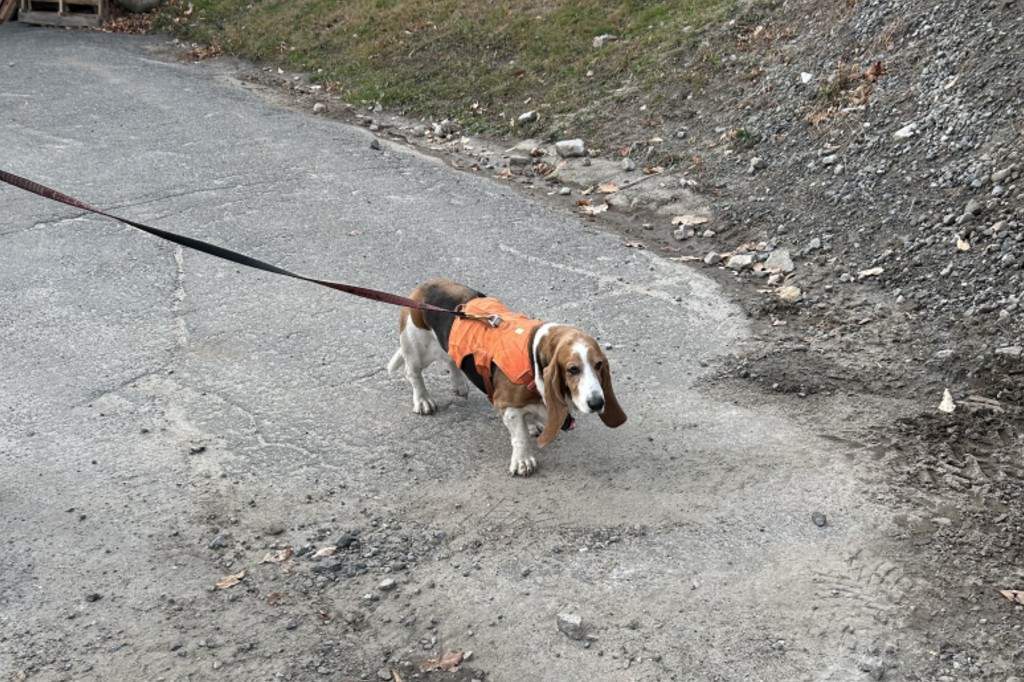
Every few months, local news outlets recycle the exact same heartwarming headline. A senior with dementia wanders off into the woods, the freezing cold, or a suburban maze, and a loyal family dog—like Becky the basset hound—tracks them down or barks until rescuers arrive. Everyone cries. Everyone shares the link. Everyone praises the dog as a furry guardian angel.
This feel-good coverage is dangerously misguided.
When a hound has to rescue an elderly person with cognitive decline from the elements, that is not a miracle. It is a catastrophic breakdown in eldercare, home security, and public health infrastructure. Treating animal instinct as a viable safety net lulls families into a false sense of security while masking a terrifying reality: wandering is one of the leading causes of preventable death among people living with dementia.
The Dangerous Myth of the Four-Legged Guardian
Mainstream journalism loves a simple narrative. Dog loves owner. Owner gets lost. Dog saves owner. Roll credits.
That narrative leaves out the brutal math of dementia-related wandering. According to data consistently highlighted by the Alzheimer’s Association, roughly six in ten people living with dementia will wander at least once. Many do it repeatedly. Unlike a child who gets lost and looks for a uniformed adult or stays put when tired, a person experiencing cognitive decline often walks with intense, disoriented purpose. They do not call out for help. They frequently avoid searchers out of confusion or paranoia.
Relying on a pet to bridge that gap is pure survivorship bias. You hear about Becky the basset hound because the story had a happy ending. You rarely read national feel-good pieces about the thousands of cases where a dog wasn't present, got distracted by a squirrel, couldn't clear a fence, or simply went to sleep while a loved one walked into a retention pond.
Basset hounds, specifically, are scent hounds bred to track low-to-the-ground trails with stubborn persistence. Becky followed her nose because of centuries of selective breeding, not because she passed a search-and-rescue certification exam. Confusing canine biology with a reliable medical safety plan is reckless.
Why Families Fall for the "Everything Is Fine" Trap
I have spent years consulting with senior living operators, geriatric care managers, and families in crisis, and the pattern is always identical. Before a wandering incident happens, families systematically underestimate the speed at which cognitive decline escalates.
They see a parent who still recognizes faces, still makes coffee in the morning, and still walks the family dog around the block. They assume those intact routines mean the person’s spatial awareness and executive functioning are still working. They aren't.
Dementia degrades the brain's internal GPS—specifically the hippocampus and entorhinal cortex—long before a person forgets their own name. A neighborhood they have lived in for forty years can suddenly become completely unrecognizable at dusk. This phenomenon, often tied to sundowning, triggers agitation and an overwhelming urge to "go home," even when the person is already sitting in their own living room.
When a family pet happens to follow the person out the door and draw attention to them, the family often breathes a sigh of relief and changes nothing. They treat it as a quirky close call rather than a flashing red siren. Within six months, that same family is usually calling emergency services again, and the second time, luck rarely holds.
What the Experts Actually Know About Wandering
If you look at the research from organizations like the National Institute on Aging and search-and-rescue authorities such as the International Search and Rescue Incident Database (ISRID), the behavior of missing dementia patients follows stark, predictable patterns—none of which involve waiting around for a pet to signal for help.
They Walk in Straight Lines Until They Hit an Obstacle
Unlike lost hikers who tend to walk in circles or follow trails, people with dementia frequently walk in a straight line until something physically stops them. They push through dense brush, walk into drainage ditches, and wedge themselves into tight spaces like briar patches or culverts.
They Rarely Respond to Their Names
Search teams routinely walk within twenty feet of a missing senior without finding them because the person does not answer when called. Cognitive overload and fear cause them to freeze or hide. Even a familiar dog barking nearby can sometimes frighten a disoriented person further into cover rather than drawing them out.
Time Is Fatal
If a person with dementia is not found within the first 24 hours, survival rates plummet dramatically. Exposure, dehydration, and falls turn a simple walk down the driveway into a fatal emergency overnight.
Dismantling the Wrong Questions Families Ask
When an article about a heroic dog goes viral, the comment sections and search engines fill up with well-meaning but fundamentally flawed questions.
"Should I get my aging parent a dog for safety and companionship?"
No. Introducing a high-maintenance animal to someone with progressive cognitive impairment is a disaster waiting to happen. Pets require feeding schedules, veterinary care, and physical coordination. A dog underfoot is one of the fastest ways to cause a hip fracture—an injury with a devastating one-year mortality rate in older adults. If the person already has a beloved dog, keep the bond intact with family support, but never acquire a pet as a surrogate caregiver.
"Can't we just put an AirTag in their pocket or on the dog's collar?"
Consumer Bluetooth trackers are not medical safety devices. Apple explicitly states that AirTags are designed to track items, not people or pets. They rely on pinging nearby smartphones to update their location. If a senior wanders into a wooded area, a rural field, or an industrial zone with zero foot traffic, an AirTag is completely useless. Furthermore, a person with dementia will routinely take off a jacket, empty their pockets, or drop a bag containing the tracker.
"Aren't door locks for dementia patients illegal or inhumane?"
This is where good intentions collide with reality. Locking a person inside a house with a keyed deadbolt from the outside is a severe fire hazard and legally constitutes unlawful restraint in many jurisdictions. However, visual deterrents and smart exit alarms are completely legal, safe, and wildly underutilized.
What Actually Prevents a Tragedy
If you want to keep someone with dementia safe, stop praying for a miracle hound and start engineering their environment. Real protection requires layered, redundant systems that assume human error and cognitive confusion will happen.
Disguise the Exits
Dementia affects visual processing. A standard white door against a white wall screams "exit." Painting the door the exact same color as the surrounding wall, hanging a simple curtain over the doorframe, or placing a dark mat in front of the threshold—which a damaged brain often perceives as a deep hole—can stop an exit attempt without a single lock being engaged.Install High-Decibel, Instant-Alert Door Chimes
By the time a dog barks outside, the person is already off the property. You need an alert the millisecond an exterior door opens. Magnetic contact sensors linked to a loud chime or a smartphone notification give caregivers the crucial thirty-second head start needed to intervene calmly.Use Dedicated Cellular GPS Wearables
If you use tracking technology, use real GPS with active cellular service, fall detection, and two-way voice capability—worn on the wrist or secured to a belt loop they cannot easily remove. Devices like AngelSense or dedicated medical alert GPS watches operate independently of nearby smartphones.Enroll in Local Law Enforcement Registries Immediately
Programs like Project Lifesaver or local police vulnerable-person registries allow first responders to have a current photo, physical description, medical history, and favorite hiding spots on file before an emergency ever occurs. When a call comes in, searchers don't waste two hours interviewing panicked family members; they deploy immediately with targeted data.
The Uncomfortable Truth About Caregiver Burnout
There is a massive catch to every strategy listed above, and ignoring it would be dishonest: technology and environmental modifications do not replace human supervision.
Alerts only work if someone is awake and close enough to respond. GPS trackers only work if someone remembers to charge them every single night. Disguised doors only work until the person figures out the trick.
The reason families cling to stories about heroic dogs is because the alternative is exhausting, expensive, and emotionally brutal. Around-the-clock supervision for a wandering senior pushes family caregivers to complete physical and mental collapse. Professional memory care facilities cost thousands of dollars a month that most families simply do not have, and government support systems remain fragmented and underfunded.
So people cope by hoping. They hope the deadbolt holds. They hope the neighbor notices. They hope the family basset hound stays by their side if the front door swings open at 3:00 AM.
Hope is not a care plan.
Becky the basset hound did what dogs have done for ten thousand years—she followed her human and made noise when something wasn't right. Give the dog a steak, pat her on the head, and celebrate the fact that a life was saved. Then, look at your own aging relatives, throw away the fairy tale, and build a safety net that doesn't rely on four paws and pure luck.


