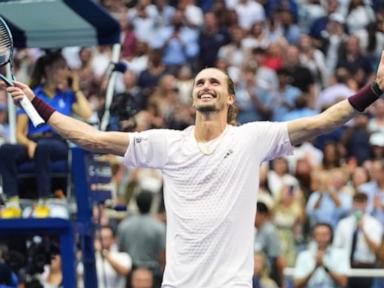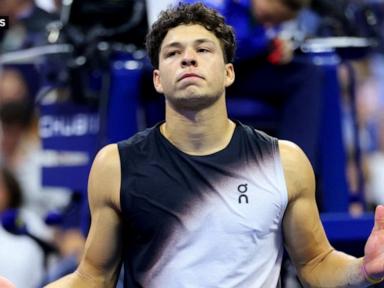
The media fell right into the trap. When Alexander Zverev faced Ben Shelton at the 2026 US Open final, the narrative machine spun a lazy tale of American resurgence, youthful electricity, and a changing of the guard under the New York lights. Pundits drooled over Shelton's raw firepower and crowd-pleasing antics, treating the matchup as a 50-50 toss-up where passion would conquer polish.
It was a complete delusion.
Anyone who understood the baseline metrics of elite hard-court tennis knew the truth before a ball was struck. Shelton wasn't ready. The casual consensus mistook volume for value, confusing highlight-reel serves with the brutal, methodical architecture required to win a major title. Zverev didn't just beat him 6-3, 7-6(2), 5-7, 6-2; he exposed the massive chasm between a charismatic ball-striker and a hardened tour veteran who spent years taking the hard knocks of Grand Slam finals.
Let us dismantle the romanticism.
The Metrics They Ignored
The lazy consensus argued that Shelton's lefty serve and explosive athleticism would rush Zverev. This ignored how Zverev actually operates under pressure. Zverev locked down 85% of points behind his first serve during that match, reducing Shelton's supposed superpower to a minor inconvenience.
When you look at the rally tolerance data, the reality gets uglier for the hype train. Shelton racked up unforced errors in bunches during the first two sets because he tried to end points within three shots. Against a human wall like Zverev, that strategy is tennis suicide. Zverev absorbs pace better than almost anyone on the ATP Tour. Punching harder into a brick wall only breaks your own hands.
I have watched players blow millions of dollars of potential by believing their own press clippings, rushing the development curve, and skipping the microscopic tactical adaptations needed at the elite level. Shelton possesses all the physical gifts in the world, but his court geometry and tactical patience are still stuck in college-tennis mode.
The Grand Slam Tax
There is an invisible toll that comes with playing a Sunday afternoon match at Arthur Ashe Stadium. It is not just about hitting winners; it is about emotional stamina over three and a half hours.
Zverev lost a heartbreaker in the 2020 US Open final and fought through years of scar tissue, including his Roland Garros triumph earlier that season, to learn how to manage momentum swings. When Shelton snatched the third set 7-5, the amateur analysts screamed that the collapse was on. They thought Zverev was cracking.
They were wrong again.
Zverev reset immediately, broke in the opening game of the fourth set, and closed it out with ruthless efficiency. Experience is just the accumulation of mistakes you stop making. Zverev stopped making them. Shelton made plenty.
The Real Lesson of Flushing Meadows
Stop asking whether breakout young stars are ready to dominate the old guard based on charisma and speed. They are not. The men's game at the major level is currently a game of chess played at 120 miles per hour. Physical gifts get you into the second week; defensive discipline, tactical variance, and emotional scar tissue win trophies.
Shelton will win majors if he learns to construct points instead of hunting for highlights. But until he trades raw electricity for calculated chess, expecting him to walk through an experienced Grand Slam champion is pure fantasy.