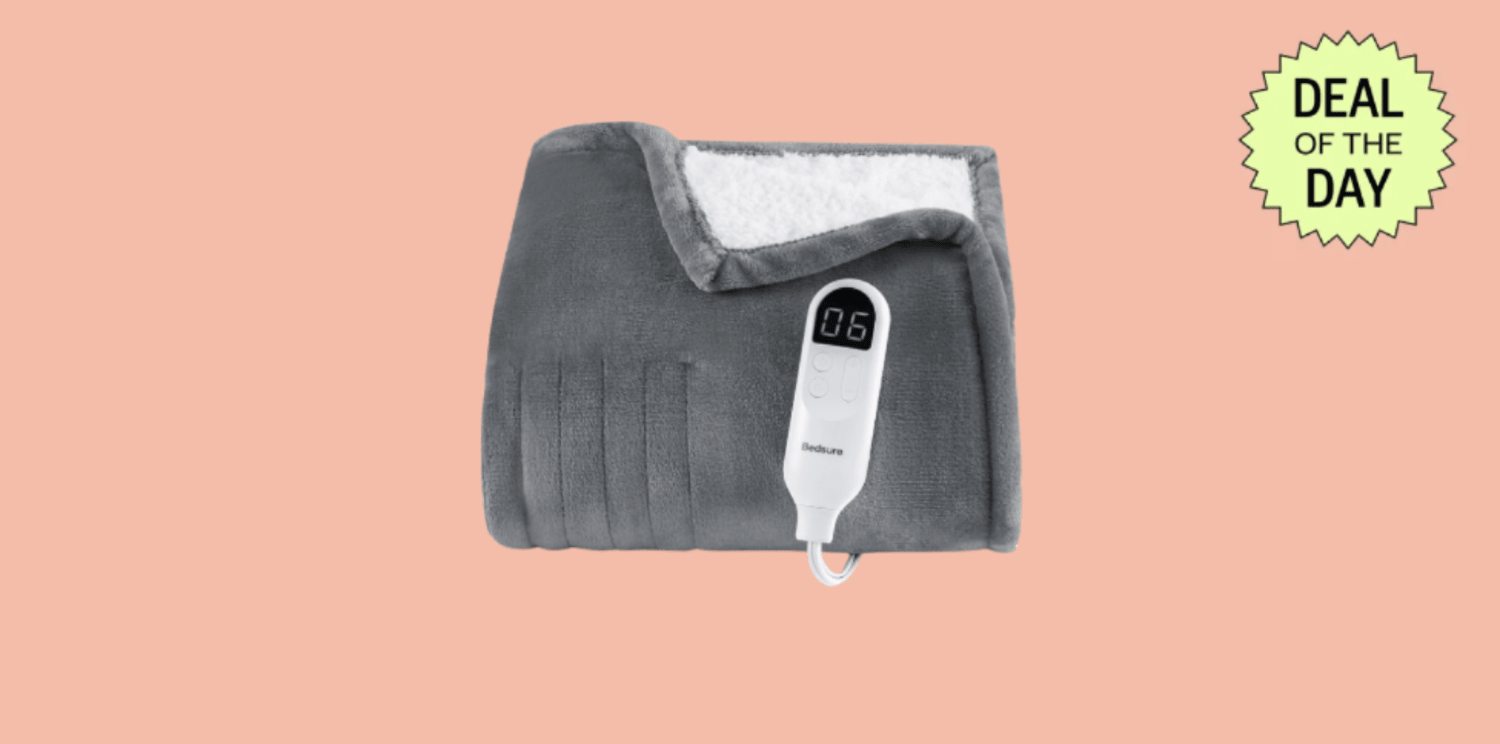
Waiting until the first freeze to buy a heated blanket is a rookie mistake. By the time your toes go numb in December, retailers know you're desperate, and those massive 50% off deals vanish into thin air.
Right now, major retailers like Amazon, Target, and Walmart routinely slash prices by nearly half on top-rated electric throws and bed blankets—like models from Sunbeam, Bedsure, and Westinghouse—just ahead of peak winter demand. If you want to save serious money on your heating bill without freezing in your own living room, buying an electric blanket during these pre-winter markdowns is the smartest move you can make. If you liked this article, you might want to check out: this related article.
Let's be honest. Central heating is absurdly expensive. According to the U.S. Energy Information Administration (EIA), residential heating costs consistently take up the largest chunk of winter utility bills, with natural gas and electricity rates climbing steadily over the past few years. Heating an entire 2,000-square-foot house to 72 degrees just so you can watch TV on the couch makes zero financial sense. You're paying to warm empty hallways, guest bedrooms, and ceilings.
A heated blanket flips that equation entirely. Most electric throws pull between 100 and 150 watts on their highest setting. Compare that to a standard 1,500-watt space heater, and the math becomes obvious pretty quickly. Running a heated blanket for eight hours a night costs just pennies, whereas cranking your thermostat up by even three or four degrees can tack an extra $30 to $60 onto your monthly utility statement. For another angle on this event, see the recent coverage from Cosmopolitan.
Why Almost 50% Off Deals Happen Before the Freeze
Retailers hate sitting on bulky seasonal inventory. Electric blankets take up a massive amount of warehouse and shelf space compared to smaller electronics or apparel.
In late autumn—especially around major November shopping events like Black Friday and Cyber Monday—brands aggressively discount their core lineup to capture early holiday shoppers and clear space for winter apparel. When you see a popular sherpa or flannel electric blanket marked down from $80 to $42, it's rarely because the product is defective or outdated. It's pure inventory math. Once January rolls around and actual blizzards hit, those exact same SKUs snap back to full MSRP because demand outpaces supply.
I've tracked seasonal home goods pricing for years, and the pattern never changes. Shoppers who buy in November get the best colorways, the full range of sizes from throw to California King, and the steepest discounts. Shoppers who wait until January get stuck paying full price for whatever leftover beige twin-sized blankets nobody else wanted.
What Most People Get Wrong About Electric Blankets
If you still picture electric blankets as stiff, fire-prone relics from the 1980s with thick, uncomfortable wires poking into your ribs, you haven't touched a modern one.
Technology in heated bedding has changed drastically over the last decade. Modern brands use ultra-thin, flexible carbon-fiber or micro-bore copper heating elements woven directly into plush fabrics like micro-plush, fleece, and faux sherpa. When you bunch them up on the couch, you barely feel the internal wiring at all.
Safety standards have also completely overhauled the industry. Any reputable heated blanket sold in North America today carries certification from Underwriters Laboratories (UL) or Intertek (ETL). These aren't just fancy stickers on the box. Under UL 964 standards, manufacturers must build in mandatory overheat protection sensors and automatic shut-off timers. Most throws automatically power down after three or four hours, while larger bed blankets typically shut off after eight to ten hours. You literally cannot leave them running indefinitely by accident.
Still, people ruin great heated blankets every single winter because they treat them like standard comforters. Here is what actually matters when you're browsing those steep pre-winter discounts.
Don't Ignore the Connector Placement
This sounds minor until you actually use the blanket. Cheaply designed electric throws put the plastic power coupler right near the bottom edge where your feet rest, or worse, right in the middle of the lower hem where it digs into your shins.
Look closely at product photos before you click buy. The best designs place the connector off to one side near the bottom corner, allowing the heavy power cord to drape cleanly off the side of the couch or mattress without pulling the blanket down onto the floor.
Dual Controls Are Non-Negotiable for Couples
If you are buying a Queen or King-sized heated blanket for a shared bed, never—and I mean never—buy a single-control model to save ten bucks.
People run at completely different internal temperatures. One person wants the bed to feel like a toasted panini, while the other kicks off the covers at 2:00 AM sweating. Dual-zone blankets split the internal heating grid down the exact center, giving each side its own independent controller and power cord. Peace in the bedroom is worth every penny.
Check the Cord Length Before Ordering
Nothing kills the cozy vibe faster than realizing your new heated throw has a six-foot cord that barely reaches the outlet behind your sofa, leaving the digital controller dangling in mid-air.
Aim for a blanket with at least a 9-to-12-foot total cord length. Brands like Sunbeam and Bedsure usually list exact cord measurements in their spec sheets. Having that extra slack lets you keep the controller resting comfortably on your nightstand or sofa cushion instead of fishing around on the floorboards in the dark.
How to Spot a Genuinely Good Heated Blanket Deal
Not every "50% off" banner you see online is an actual bargain. Retailers love inflating list prices right before big sales events to make a standard discount look like the deal of the century.
Before pulling out your credit card, check three specific things on the product listing:
- The Wattage and Heat Settings: A quality throw should offer at least 4 to 6 heat levels, while full-bed blankets should give you 10 or more. Three heat settings—low, medium, high—usually isn't granular enough. Low feels like nothing, and medium feels too warm. More incremental settings let you dial in the exact warmth you want.
- Machine Washability: Every heated blanket needs to be washed eventually, especially if pets sleep on your bed or you drink coffee on the couch. Make sure the controller detaches completely and the care label explicitly states it is machine washable on a gentle cycle.
- Warranty Length: A 1-year warranty is the bare minimum, and honestly, it's a bit weak. Brands that trust their internal wiring—like Sunbeam, Biddeford, and higher-tier Westinghouse models—routinely back their blankets with a 5-year limited warranty. If a heavily discounted off-brand blanket only offers a 30-day return window and zero manufacturer warranty, skip it. Wiring failures almost always happen in year two, not week two.
Common Mistakes That Ruin Expensive Electric Blankets
Even the highest-rated heated blanket will die early if you mistreat the internal heating wires. These wires are flexible, not indestructible.
Never bunch, fold, or tuck an electric blanket tightly under a heavy mattress while it's turned on. Trapping heat inside folded layers triggers the internal thermal fuses to blow permanently as a safety precaution. Once those fuses trip, the blanket is dead forever—there's no reset button.
Keep heavy pets off it when possible, too. Cats kneading the fabric with sharp claws or heavy dogs jumping onto a bunched-up heated throw can pinch or sever the thin copper elements inside. And when spring finally arrives, don't stuff your heated blanket into a vacuum-sealed compression bag. Crushing the fabric flat puts sharp creases into the internal wiring. Fold it loosely and store it on top of your linen closet shelf instead.
What to Do Right Now Before Prices Jump Back Up
If your home feels drafty and you've been eyeing a heated throw or bed blanket, stop waiting for the weather forecast to turn ugly.
Start by measuring your bed or your favorite spot on the couch so you don't accidentally buy a tiny 50x60-inch throw when you actually wanted a 62x84-inch twin blanket to cover your shoulders and feet simultaneously. Check the current price history using a browser extension like Keepa or CamelCamelCamel if you're shopping on Amazon, just to verify that the nearly 50% discount is genuinely near its historical low. Prioritize ETL or UL certification, at least six heat settings, and a multi-year warranty—then lock in the sale price while inventory is still sitting on the shelves.