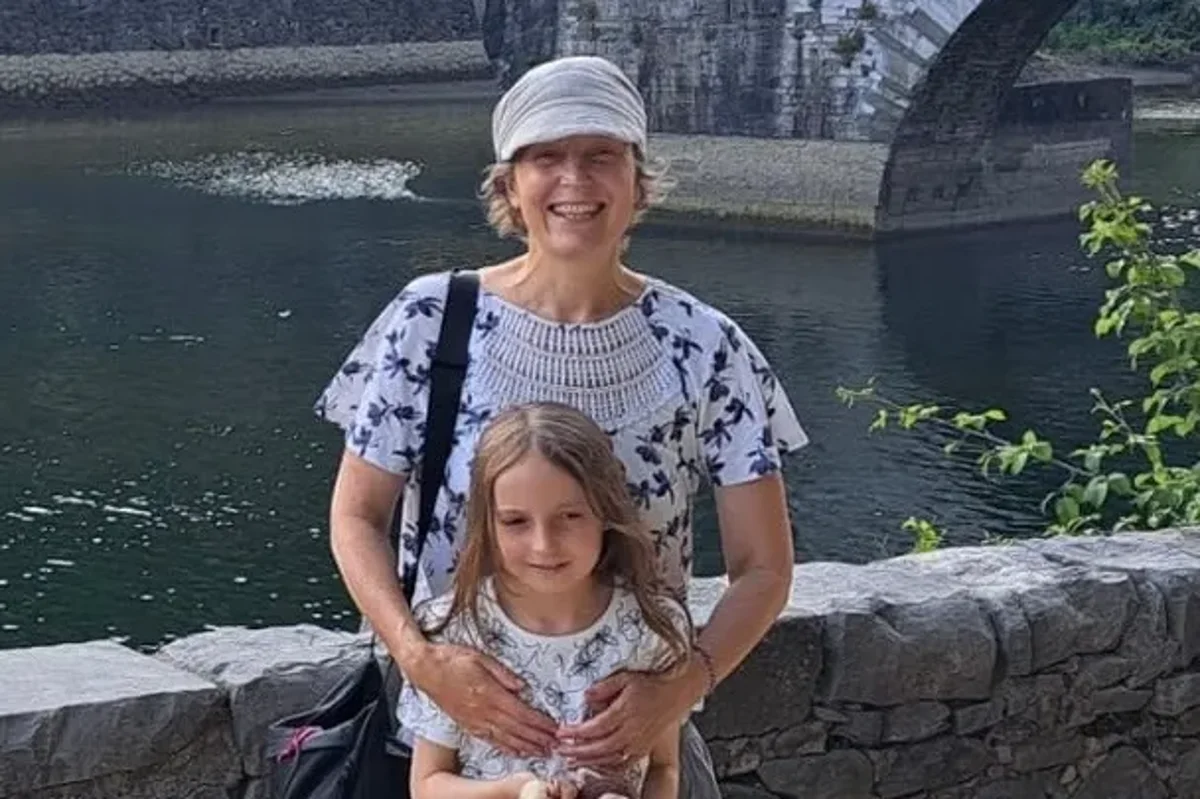
Every time a headline breaks about a fatal collision on rural roads—such as the recent devastating loss of a journalist and her ten-year-old daughter in Ireland—the media machinery triggers a predictable, emotionally saturated reflex. The public receives an immediate narrative dose of grief, collective sorrow, and hand-wringing over the fragility of life. We are told to slow down, to hug our loved ones, and to view the event as an unpredictable bolt of lightning from a dark sky.
This reaction is lazy. Worse, it is dangerous.
Treating road fatalities as tragic acts of God absolves the architects of our transit systems, our policymakers, and our cultural obsession with vehicular speed from accountability. When a plane falls out of the sky, engineers tear apart every bolt, aviation authorities rewrite safety protocols, and entire fleets are grounded. When thousands of people die annually on asphalt ribbons connecting towns and cities, we light candles, offer thoughts and prayers, and blame driver error.
I have spent years analyzing urban planning, transport logistics, and public safety data, and I am exhausted by the cultural complicity that accepts carnage on our highways as the unavoidable cost of mobility.
The Myth of Driver Error
The standard lazy consensus following any fatal collision relies on a convenient scapegoat: the driver. Investigators look for speed, distraction, or fatigue. Once they find a factor, the case is closed in the public consciousness. Human failure explains everything, which means nothing needs to change structurally.
This is a profound statistical fraud.
Human beings are flawed. We get tired, our reaction times degrade, our attention wanders, and our judgment lapses. Any infrastructure design that assumes human beings will operate two-ton metal boxes at high speeds with flawless, robotic consistency is fundamentally broken. Expecting perfection from millions of ordinary people every single day is not a safety strategy; it is a prayer.
When a road layout encourages sixty miles per hour on a narrow, unlit stretch lacking physical barriers, center medians, or pedestrian crossings, the road itself is actively incentivizing catastrophe. The environment dictates behavior. If you design a drag strip, people will race on it. Blaming the driver for taking the bait is like blaming a fish for biting a hook.
The European Paradox
Look at nations that have actually solved this crisis instead of merely crying over the obituaries. Vision Zero initiatives in parts of Scandinavia treat road deaths not as accidents, but as system failures. In those jurisdictions, if a design flaw or an absence of safety barriers contributes to a fatality, traffic engineers and civil authorities face severe scrutiny.
Contrast that with the reactive posture prevalent across Ireland, the UK, and large swaths of the United States. Road safety campaigns here rely heavily on emotional blackmail—graphic television commercials designed to shock drivers into compliance. These campaigns place the entire burden of survival on the individual. They say: Drive better, or you and your child will die.
They rarely say: Our department of transportation built a substandard, hazardous corridor with zero margin for error.
Imagine a scenario where municipal authorities were held financially and criminally liable for every preventable design flaw on a stretch of highway that claims a life. The asphalt would be redesigned within months. Rumble strips, physical medians, automated speed enforcement, and narrowed lanes would proliferate overnight. Corporations and governments respond to liability, not tearful editorials.
Dismantling the Mourning Industrial Complex
We need to talk about the comfort of grief. Collective mourning offers a socially acceptable release valve for societal guilt. It allows us to feel deeply without having to act radically. We change our profile pictures, we share the tragic news items, and for forty-eight hours, we feel united in our vulnerability.
Then we get back into our cars, drive forty miles over the limit to make a meeting, and forget the victims entirely until the next headline demands another round of performative sorrow.
This cycle protects the status quo. It insulates the decision-makers who underfund public transit, delay infrastructure upgrades, and prioritize vehicle throughput over human survival. Every time we frame a fatal crash as an unspeakable tragedy rather than an infrastructure failure, we hand the Department of Transport a get-out-of-jail-free card.
Journalists write the moving tributes. Readers weep. Politicians offer condolences. Nothing changes. The body count ticks upward next quarter.
What Real Reform Looks Like
If we genuinely care about honoring those lost on our roads, we must stop accepting the current paradigm of transit design. Real safety requires aggressive, unpopular, and expensive interventions.
- Radical Speed Reductions: Lower default limits on secondary and rural roads. Physics does not negotiate. The kinetic energy transferred in a collision increases exponentially with speed. A drop from sixty to forty miles per hour turns a lethal impact into a survivable one.
- Infrastructure over Education: Stop spending millions on patronizing ad campaigns telling people to pay attention. Spend that capital on physical interventions—median barriers, chicanes, raised intersections, and protected cycling and walking corridors that physically separate vulnerable road users from heavy machinery.
- Decoupling Mobility from Private Cars: The safest transit system is one where fewer people are forced to drive exhausted, distracted, or impaired over long distances because viable, high-speed rail and public transit options exist.
The next time a devastating collision makes the front page, resist the urge to simply bow your head and sigh about how fragile life is. Life is fragile, yes, but our roads are lethal by design. Stop blaming fate for bad engineering. Stop accepting apologies from politicians who refuse to fund safety. Stop driving fast on roads that were never built to handle the speed.