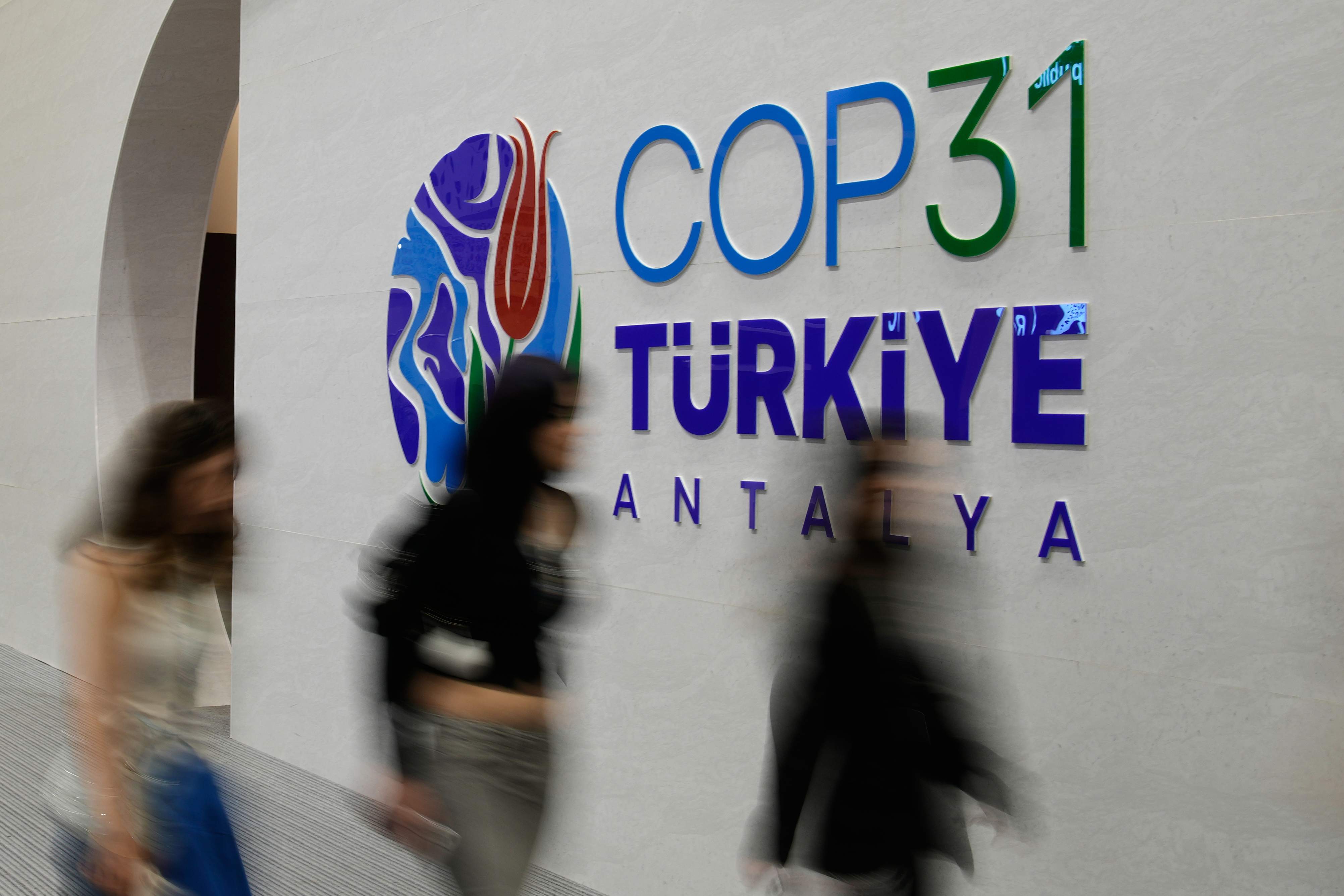
Every November, the same exhausted theater plays out. Delegates fly thousands of miles, lock themselves in windowless convention centers, survive on lukewarm coffee, and emerge bleary-eyed at 4:00 AM to announce either a historic triumph or a catastrophic collapse.
This year, the headlines scream disaster. UN climate talks broke down at COP31, leaving negotiators scrambling over an overarching agreement while media outlets declare the death of global cooperation.
Good. Let it burn.
The mainstream press treats a fractured COP summit like a plane crash. That framing relies on a lazy, dangerous consensus: the idea that an overarching, unanimous UN agreement is the engine driving the energy transition. It is not. Unanimous diplomatic consensus is a brake pedal disguised as a steering wheel. When 190-plus nations with fundamentally incompatible economic survival strategies are forced into a single room under rules requiring consensus, the result is never bold action. The result is lowest-common-denominator paralysis.
If you want to understand where the global economy is actually moving, stop reading diplomatic communiques and start watching capital expenditure flows, industrial policy, and sovereign trade tariffs. The collapse of an overarching agreement at COP31 is not a failure of climate action. It is the overdue death of diplomatic theater.
The Structural Rot of UN Consensus
To understand why the breakdown at COP31 was inevitable—and arguably healthy—you have to look at the mechanics of the United Nations Framework Convention on Climate Change (UNFCCC). Under UNFCCC rules of procedure, decisions generally require consensus. Notice the distinction between consensus and unanimity. Consensus does not mean everyone votes yes; it means no single party formally objects.
In practice, this hands an effective veto to every petro-state, coal-dependent emerging economy, and industrial giant on earth.
I have sat in strategy rooms with energy executives and sovereign wealth advisors who treat COP texts not as operational blueprints, but as linguistic obstacle courses. They spend millions on legal teams just to parse the difference between "phase out," "phase down," "abate," and "transition away from." When an overarching agreement finally gets signed after thirty hours of overtime, it is so heavily watered down with escape hatches and voluntary clauses that it binds no one to anything concrete.
Consider the economic reality of the negotiating table:
- Petro-states face existential fiscal collapse if hydrocarbon demand drops precipitously without alternative revenue streams. Expecting them to sign their own economic death warrants in a multilateral treaty is pure fantasy.
- Developing nations have watched wealthy countries miss or creatively account for climate finance pledges for over a decade. Why would they surrender their right to cheap, reliable baseload power when the promised checks never clear on time?
- Industrialized Western economies talk aggressively about decarbonization in plenary sessions while quietly subsidizing domestic manufacturing and passing protectionist trade barriers the moment they fly home.
Pretending these three factions share a unified goal that can be captured in one overarching document is delusional. When COP31 fractured, it simply exposed the truth that has been hiding behind polite diplomatic jargon since the Paris Agreement was signed in 2015.
Why Capital Markets Ignore Diplomatic Drama
While pundits wring their hands over missing paragraphs in a UN text, actual energy infrastructure is being built—or canceled—based on cold, hard unit economics.
Take the global deployment of solar photovoltaics, utility-scale battery storage, and electric vehicles. None of these sectors scaled because a diplomat in a blue suit signed an overarching agreement. They scaled because manufacturing learning curves drove costs down by orders of magnitude, and because major economic powers decided they wanted to own the supply chains of the twenty-first century.
According to data consistently tracked by the International Energy Agency (IEA), global investment in clean energy technologies has decisively outpaced spending on upstream oil and gas in recent years, running into the trillions of dollars annually. That capital is not waiting for permission from a COP plenary.
Imagine a scenario where COP31 had produced a glittering, unanimous, front-page overarching agreement. Would a single grid operator in Texas, a battery manufacturer in Shenzhen, or a steelmaker in Germany change their Monday morning capital allocation because of a non-binding UN declaration? Never. Grid operators care about interconnection queues, transformer supply shortages, and wholesale power prices. Manufacturers care about interest rates, raw material costs, and consumer demand.
Diplomatic treaties do not build transmission lines. Permitting reform and return on equity build transmission lines.
Dismantling the Wrong Questions
When a summit stalls, the public inevitably asks the wrong questions, fed by commentators who mistake process for progress. Let us dismantle the most common myths circulating after the COP31 fallout.
Does a failed COP mean global warming is now unstoppable?
This question assumes the UN process was the primary mechanism stopping it. It never was. Atmospheric physics responds to cumulative greenhouse gas concentrations, not diplomatic resolutions. Even under the most optimistic scenarios following the Paris Agreement, the gap between national pledges—known as Nationally Determined Contributions (NDCs)—and actual emissions trajectories remained massive. Emissions bend downward when zero-carbon alternatives become cheaper, faster to deploy, and more reliable than incumbents, or when domestic laws enforce strict caps. Neither requires a unanimous global treaty.
Why do countries still attend if overarching agreements fail?
Because COP is no longer a treaty-making body; it is the world’s largest clean-tech trade show and bilateral deal-making bazaar. Behind the scenes of the stalled main plenary at COP31, corporate buyers signed power purchase agreements, sovereign wealth funds negotiated infrastructure joint ventures, and technology providers pitched grid-scale solutions. The main stage failed, but the hallway meetings continued uninterrupted.
Should wealthy nations simply pay developing countries more to secure a deal?
The debate over climate finance—moving from the old $100 billion annual target into the trillions—is treated as a simple moral equation. In reality, it is a structural plumbing problem. Throwing tens of billions of dollars at countries with high sovereign risk, unstable currencies, and weak grid infrastructure does not magically produce gigawatts of clean power. Without blended finance mechanisms that de-risk private capital and fix local utility balance sheets, public climate finance gets swallowed by high borrowing costs and bureaucratic friction.
The Rise of Minilateralism and Trade Clubs
If the universal UN model is broken, what replaces it? Look at what is already happening outside the convention center: aggressive, asymmetric minilateralism and green industrial protectionism.
Instead of waiting for 190 nations to agree on carbon pricing, major economic blocs are weaponizing trade policy. Look at the European Union’s Carbon Border Adjustment Mechanism (CBAM). The EU realized that unilateral carbon pricing only works if you tax high-emission imports at the border. They did not ask the UN for permission. They built a unilateral tariff wall that forces steel, cement, aluminum, and fertilizer exporters in India, China, Brazil, and Turkey to either decarbonize their production or pay cash directly to Brussels.
That single regulatory mechanism has forced more boardroom conversations about industrial decarbonization in heavy manufacturing hubs than the last five COP summits combined.
Similarly, look at industrial policy like the U.S. Inflation Reduction Act or China’s state-backed dominance in solar, wind, and EV manufacturing. These are not acts of global charity. They are ruthless plays for industrial supremacy. When Beijing floods the global market with hyper-cheap solar panels and batteries, it accelerates global decarbonization while simultaneously crushing Western competitors. When Washington deploys uncapped tax credits for domestic clean energy manufacturing, it triggers a global subsidy race that pulls private capital off the sidelines.
| Mechanism | Primary Driver | Enforcement Tool | Real-World Speed |
|---|---|---|---|
| UN COP Agreements | Diplomatic consensus | Naming, shaming, voluntary reporting | Glacial |
| Carbon Border Tariffs (CBAM) | Domestic industrial protection | Customs duties at the border | Immediate |
| Industrial Subsidies | Geopolitical supply chain control | Tax credits, state loans, procurement | Rapid |
| Sectoral Alliances | Commercial scale & standardization | Private contracts, buyer coalitions | Fast |
This is the reality the mainstream narrative misses. The energy transition is no longer a cooperative environmental project. It is a cutthroat geopolitical and industrial arms race. And arms races do not need overarching consensus agreements to move fast.
The Uncomfortable Downsides of Ditching Consensus
Admitting that the COP consensus model is obsolete does not mean the alternative is painless. As someone who advises organizations navigating this transition, I will tell you straight: the post-consensus world is messy, expensive, and deeply unfair.
First, capital allocation becomes wildly uneven. When bilateral deals, trade clubs, and domestic subsidies replace multilateral frameworks, money flows overwhelmingly to wealthy economies and stable emerging markets. Frontier markets—particularly across Sub-Saharan Africa and small island developing states—get left behind. Private capital will not touch a solar project in a country with a junk credit rating and a bankrupt state utility without massive concessional guarantees that multilateral development banks are still too slow to provide.
Second, trade wars inflate transition costs. When every major bloc insists on manufacturing its own wind turbines, solar modules, and battery cells to secure supply chains, you lose the deflationary magic of globalized comparative advantage. Duplicating supply chains across North America, Europe, and Asia makes the green transition significantly more expensive for end consumers, fueling domestic political backlash against climate policies.
Third, fragmentation creates regulatory chaos. Multinational corporations now face a fractured patchwork of carbon accounting standards, border taxes, local content rules, and disclosure mandates. Compliance costs skyrocket, diverting capital away from actual engineering and deployment.
Yet even with these severe flaws, a fragmented, competitive race produces actual physical infrastructure. A polite, unanimous UN agreement produces another PDF.
How Leaders Must Pivot After COP31
If you are an executive, investor, or policymaker still anchoring your five-year strategy to the outcomes of UN climate summits, you are operating with a broken compass. Stop waiting for global alignment and start executing on three realities.
- Price carbon into your supply chain immediately. Do not wait for a global carbon tax. Border adjustment tariffs and corporate Scope 3 procurement mandates are already acting as de facto carbon prices. Audit your upstream suppliers for energy intensity now, because the cost of high-carbon inputs is going up regardless of what happens at future COPs.
- Focus on grid bottlenecks, not generation targets. Anyone can announce a net-zero target for 2040. The winners in the next decade are the companies solving the physical constraints: high-voltage transmission, long-duration storage, grid-enhancing technologies, and permitting bottlenecks. Invest in the picks and shovels of grid reliability.
- Treat climate strategy as industrial competitiveness. Stop framing energy transition initiatives as corporate social responsibility or compliance exercises. Frame them around cost stability, insulation from fossil fuel price volatility, and access to subsidized capital pools. If a project does not make sense on unit economics and risk mitigation, no diplomatic treaty will save it.
The negotiators at COP31 failed to deliver their overarching agreement because the premise of their mission expired years ago. You cannot negotiate the laws of thermodynamics, and you cannot force competing superpowers into artificial harmony.
The diplomats will pack their bags, schedule COP32, and promise to try harder next year. Let them. The real transition is already happening in factories, ports, and power grids—and it does not need their permission.