Most winter boot roundups make a massive mistake. They treat a six-year-old stomping through slush at recess the exact same way they treat an eighty-year-old trying not to slip on an icy driveway. Cold weather footwear isn't one-size-fits-all. Finding the best winter boots for all ages means matching the right insulation, traction, and closure system to the person actually wearing them.
I've spent years testing cold-weather gear across brutal northern winters, and I've watched plenty of people waste two hundred bucks on boots that leave their toes numb within twenty minutes. Why? Because they bought for looks, or they fell for misleading temperature ratings that only apply if you're briskly hiking uphill. If you're standing still waiting for a school bus, those numbers mean almost nothing. Discover more on a connected subject: this related article.
Why Temperature Ratings Lie to You
Let's get one thing straight right now. That "-40°F" tag hanging off a pair of boots isn't a guarantee. According to outdoor gear researchers and testing standards like ISO 20344, temperature ratings are measured while a person is actively moving and generating body heat. Stand completely still on frozen concrete, and your feet will chill in half the time.
Insulation weight matters way more than marketing slogans. Look for 200g of Thinsulate or similar synthetic insulation for mild winters and running errands. If you're dealing with sub-zero mornings or spending hours outdoors, bump that up to 400g or more. Natural shearling and removable felt liners also trap heat brilliantly, especially because you can pull the liners out at night to dry out trapped sweat. Damp socks are the fastest way to ruin a winter afternoon. Further reporting by Apartment Therapy explores comparable views on the subject.
Traction is the other half of the equation that people routinely ignore. Standard rubber hardens in freezing temperatures, turning your soles into hockey pucks. You want softer rubber compounds, deep multi-directional lugs, or specialized grip tech like Vibram Arctic Grip, which uses tiny glass fibers embedded in the rubber to bite into wet ice.
Best Winter Boots for Toddlers and Young Kids
Kids don't care about aesthetics. They care about snow forts, and parents care about getting the boots on without a twenty-minute wrestling match before school.
Kamik Waterbug 5G
If you have kids between ages three and ten, this is the gold standard for deep snow. Kamik builds these with a lightweight, waterproof synthetic rubber shell and a removable 8mm Zylex moisture-wicking liner. The wide opening and adjustable bungee snow collar mean little kids can actually pull them on themselves, and snow doesn't dump down into their socks when they wipe out in a drift.
Bogs Classic High
For toddlers and preschoolers who spend most of their time jumping in freezing puddles rather than trekking through powder, Bogs are undefeated. They're made from 100% waterproof neoprene with built-in handles on the sides. Even a three-year-old can grip the handles and yank them onto their own feet. Plus, you can hose the mud right off them in the sink.
Sorel Youth Flurry
Sorel makes heavy-duty gear, and the Youth Flurry gives kids serious warmth without feeling like cinder blocks strapped to their ankles. The built-in gaiter with a barrel lock closure cinches tight over snow pants, while the thick felt inner boot keeps toes warm during long sledding sessions. Just size up by half a size so thick wool socks don't compress the insulation and cut off circulation.
Best Winter Boots for Teens and Adults
Once you hit high school and adulthood, priorities shift. You need boots that can handle a morning commute, shovel a driveway, or survive a weekend ski trip without looking ridiculous at the grocery store.
Sorel Caribou
There's a reason you see the Caribou everywhere from Minnesota to Maine. With its seam-sealed waterproof construction, nubuck leather upper, and thick 9mm washable recycled felt inner boot, this thing is built like a tank. It's heavy. You wouldn't want to hike five miles in it. But if you're standing at a kid's outdoor hockey practice or clearing three feet of snow off your porch, nothing beats it.
L.L.Bean Shearling-Lined Bean Boots
The classic duck boot gets a massive cold-weather upgrade when you add genuine shearling lining and 200g of PrimaLoft insulation. They're handmade in Maine, completely waterproof from the ankle down, and age better than almost any synthetic boot on the market. The chain-tread rubber outsole handles slush and packed snow well, though you'll want to slap on a pair of Yaktrax if you're walking across sheer black ice.
Merrell Thermo Chill Mid Waterproof
Not everyone wants a clunky mid-calf boot. If you're walking the dog, hiking snowy trails, or commuting on foot, the Thermo Chill feels like a supportive trail runner with a winter coat. It uses 200g of low-bulk insulation and Merrell's proprietary M Select GRIP outsoles, which stay pliable and sticky when temperatures plummet below freezing.
UGG Adirondack III
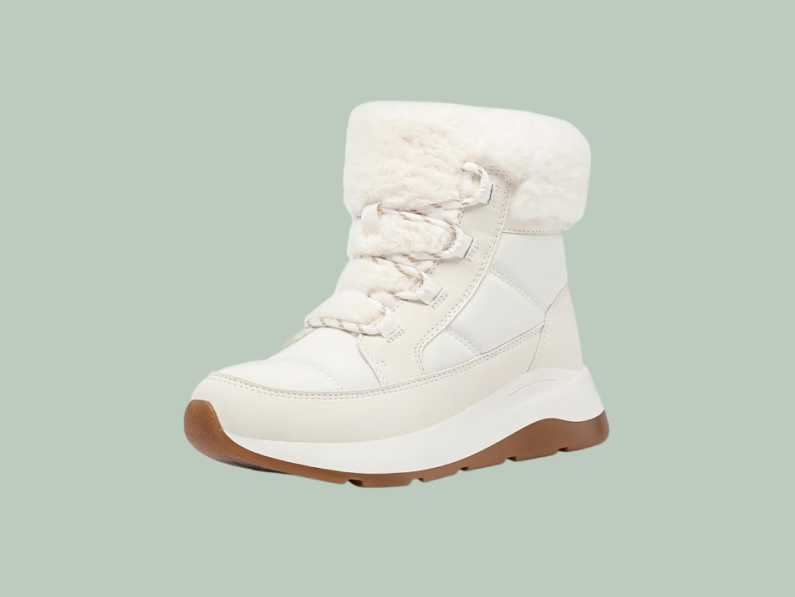
Most UGGs are glorified slippers that turn into soggy sponges the second they touch slush. The Adirondack III is the rare exception. It features a waterproof leather and suede upper, a cuffable shearling shaft, and a White Spider Rubber outsole engineered specifically for cold-weather traction. It bridges the gap between actual sub-zero protection and everyday casual style better than almost anything else in its price bracket.
Columbia Bugaboot III
If you want maximum performance without paying luxury prices, look at Columbia. The Bugaboot III combines an injection-molded waterproof shell with 200g of insulation and Columbia's Omni-Heat reflective lining, which uses tiny silver dots to bounce your own body heat back toward your foot. It's lightweight, flexible, and reliable enough for serious winter chores.
Blundstone Thermal All-Terrain
City dwellers hate heavy winter boots. Honestly, who wants to clomp around an office or a coffee shop in giant rubber moon boots? The Thermal series from Blundstone solves this problem cleanly. They keep the iconic Chelsea boot silhouette but add waterproof leather, Thinsulate insulation, a removable sheepskin footbed, and a Vibram sole that resists freezing. Slip them on, walk through six inches of slush, and wear them straight to dinner.
Best Winter Boots for Seniors and Older Adults
Falling on ice isn't a minor inconvenience when you're seventy-five. According to the Centers for Disease Control and Prevention (CDC), falls are the leading cause of injury-related deaths among adults aged 65 and older, and icy sidewalks are a massive trigger every winter. For seniors, traction and ease of entry matter infinitely more than extreme mountaineering specs.
Icebug Metro2 Bugrip
This Swedish brand makes the most aggressive slip-resistant everyday boots on the planet. The Metro2 features a side zipper—crucial for anyone with arthritis or trouble bending over to tie laces—and comes equipped with 16 dynamic carbide-tipped steel studs in the sole. Those studs bite directly into solid ice, yet they retract slightly when you step onto dry pavement so you don't slip indoors. It's genuine peace of mind in footwear form.
Sperry Saltwater Duck Boot
For mild winter climates or quick trips to the mailbox, the Sperry Saltwater is lightweight, stable, and super easy to get into thanks to a side zipper. You don't have to mess with the rawhide barrel laces once you set the fit. The micro-fleece lining adds cozy warmth without making the boot bulky, and the low heel keeps your center of gravity close to the ground.
Propet Delaney Frost
Foot swelling, bunions, and wide widths make standard winter boots miserable for many older adults. Propet designs footwear specifically with wider toe boxes and accommodating fits. The Delaney Frost comes in widths ranging from narrow to extra-wide, features a Scotchgard-treated suede upper, and uses a front zipper that opens wide enough to slide your foot straight in without straining your back or ankles.
Merrell Coldpack 3 Thermo Moc Waterproof
Zero laces. Zero zippers. Just a sturdy, slip-on moccasin-style winter shoe with a Vibram Arctic Grip outsole. Because it uses a stretchy neoprene collar, you can step right into it using a long-handled shoehorn without ever bending down. The low-profile design eliminates tripping hazards, while the fleece lining keeps feet warm during quick errands or walks around the neighborhood.
How to Make Any Winter Boot Warmer
Even the highest-rated boot on the planet will fail if you pair it with the wrong socks. Cotton is your worst enemy in the cold. It absorbs sweat like a sponge, holds moisture right against your skin, and conducts heat away from your body roughly twenty-five times faster than air.
Switch exclusively to merino wool socks from brands like Darn Tough or Smartwool. Merino regulates temperature, wicks sweat away from your skin, and keeps insulating even if your feet get damp. Keep the sock thickness moderate, too. Cramming a super-thick sock into a snug boot squeezes your blood vessels, restricts circulation, and guarantees cold toes within an hour. You should always be able to wiggle your toes freely inside your winter boots.
Before the first big snowstorm hits your area, pull your family's boots out of the closet and check the soles. Run your fingernail across the rubber tread—if it feels rock-hard and brittle, the rubber has dried out and lost its grip. Spray leather and suede uppers with a fresh coat of silicone-free waterproofing spray, toss out any worn-down cotton socks, and replace stretched-out bungee laces now so nobody is stuck with wet, freezing feet on the first real snow day.