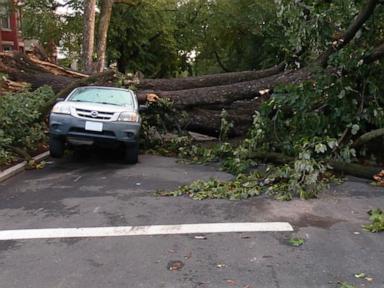
Every time a thunderstorm rattles a wing or a heatwave softens an asphalt taxiway, the aviation PR machine rolls out the oldest script in the book: angry skies, climate shifts, and acts of God. Passengers are told to accept the new normal of endless delays, missed connections, and stranded weekends. The lazy consensus says the atmosphere is simply turning hostile, leaving carriers helpless against nature's wrath.
It is a convenient fiction. The sky has always been violent. Storms are not a modern invention, and summer heatwaves did not materialize last Tuesday. Blaming climate volatility for modern flight disruptions is a brilliant smoke screen designed to mask decades of structural operational decay, razor-thin margin engineering, and a total refusal to invest in real network resilience.
I have spent twenty years watching legacy carriers and low-cost darlings alike gut their scheduling buffers to juice quarterly earnings. They run networks stretched tighter than a piano wire, where a single rain shower in Chicago cascades into a four-day system meltdown across fifty cities. When an airline schedules an aircraft with a twenty-minute turnaround time, it does not take a hurricane to break the system. A stiff breeze will do it.
The Precision Scheduling Delusion
Modern airlines operate under the gospel of utilization. An airplane on the ground is losing money, so every tail in the fleet is hammered with back-to-back legs from dawn until midnight. This hyper-efficient scheduling works wonderfully on a spreadsheet. In reality, it creates a fragile house of cards.
When a afternoon cell builds over the Midwest, the ripple effects are immediate because no carrier maintains idle capacity. There are no spare planes waiting in the wings and no reserve crews sitting around drinking coffee just in case things go sideways. Everyone is deployed to maximum capacity.
"When you design a system with zero slack, any external variance becomes an existential crisis."
This is why the narrative of hotter, stormier skies falls apart under basic scrutiny. Meteorologists track severe weather indexes, and while patterns shift, the fundamental nature of aviation weather management has always relied on buffers. Airlines used to build recovery time directly into their timetables. They accepted lower asset utilization as the cost of doing business reliably. Today, they squeeze every minute out of the airframe, pocket the short-term gains, and then point dramatically at cumulonimbus clouds when the whole thing collapses.
Why the Passenger Burden is a Manufactured Myth
Passengers are increasingly lectured about the need for emotional resilience. We are told to pack patience, travel light, and accept that rolling cancellations are just part of the modern travel experience. This shifts the financial and psychological burden of operational failure entirely onto the consumer.
If a hotel overbooked its rooms by thirty percent every night and forced guests to sleep in the lobby because of heavy foot traffic, we would call it fraud. Yet when airlines oversell their schedules relative to their actual recovery infrastructure, we treat it as a weather phenomenon.
Consider how crew scheduling rules interact with weather delays. Under strict federal duty-time regulations, a pilot trapped on a delayed tarmac for four hours times out. That is a vital safety rule, not a surprise. Yet airlines routinely fail to position reserve crews strategically to cover these predictable logjams. Instead, they wait for the dominoes to fall, cancel the flight due to "crew availability driven by weather," and legally dodge compensation requirements under the guise of an uncontrollable act of nature.
The Real Fix Is Boring and Expensive
Fixing flight disruption requires zero meteorological breakthroughs. It requires capital, discipline, and a willingness to accept lower profit margins during peak quarters.
- Schedule Padding: Airlines must reintroduce realistic turnaround windows that account for routine congestion and localized weather events.
- Decentralized Reserves: Carriers need to station spare aircraft and unassigned crews at secondary hubs, not just primary mega-bases, to punch through localized bottlenecks instantly.
- Infrastructure Accountability: Instead of lobbying for government bailouts when systems fail, capital must flow into updating antiquated air traffic control software that still relies on decades-old radar architecture.
None of this is glamorous. None of it makes for an exciting press release about navigating the challenges of a changing climate. But it works.
The next time an airline agent hands you a voucher and mutters something about Mother Nature throwing a tantrum, look at the flight board. Notice how the carrier parked next to yours, running a more conservatively buffered schedule, pushed back on time while yours sits grounded. The sky is not broken. The business model is. Stop accepting excuses from boardrooms that profit off your paralysis.