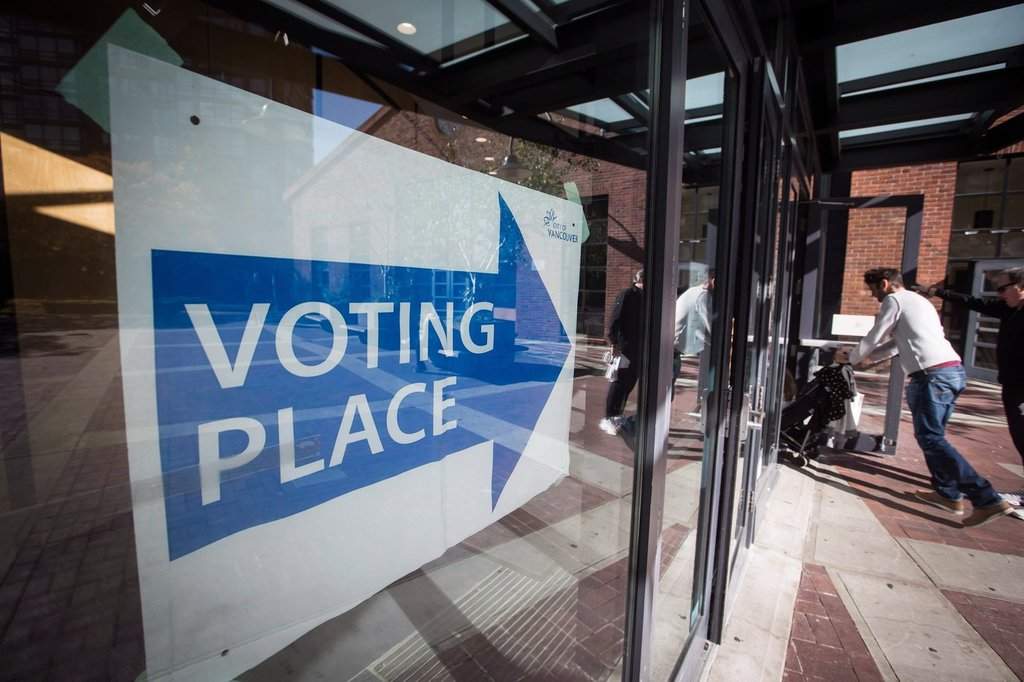
The hand-wringing in local media over British Columbia’s overlapping electoral timelines is a masterclass in infantalizing the electorate. The lazy consensus claims that asking citizens to vote in municipal elections on October 17 and a provincial contest a week later on October 24 is an unfair cognitive burden. Candidates whine about stretched volunteer bases, and pundits predict an apocalypse of voter apathy because people are too exhausted to look at two different ballots.
Let us drop the paternalistic charade. The problem in British Columbia is not that there are too many elections. The problem is that we have cultivated a citizenry conditioned to treat democracy like a passive streaming service subscription—something you want delivered instantly, without friction, and entirely on your own terms.
If opening two information packets in a single month breaks your brain, civic participation was never your priority to begin with.
The Myth of the Overwhelmed Voter
We are told that voters are confused by candidates overlapping across jurisdictions, mixing up municipal hopefuls with provincial hopefuls, or forgetting which weekend the ballot box opens. This assumes the average voter is an overwhelmed toddler wandering through a supermarket.
Data from comparative democracies obliterates this excuse. In countries with multi-tiered electoral systems and frequent referendum cycles, citizens juggle federal, regional, and hyper-local votes concurrently without melting down. The difference is cultural, not cognitive. In places where civic literacy is treated as a baseline adult duty rather than an optional hobby, overlapping dates are viewed as an efficiency, not a headache.
By complaining that dual schedules "steal oxygen" from campaigns, political operatives reveal their real grievance: they have to work twice as hard to capture the attention of an audience raised on ten-second video clips. When voters rely on a lazy "vibe check" instead of examining zoning bylaws or healthcare spending allocations, the system isn't failing because of the calendar. It is failing because our political discourse lacks teeth.
Municipal Power Is Where Real Damage Happens
The most insidious argument floating around the current dual-election panic is that provincial politics somehow matter more, treating local government as a cute sideshow of pothole repairs and community centers.
This hierarchy is entirely backward. I have watched municipal governments quietly pass sweeping housing densification rules, approve billions in infrastructure debt, and rewrite property tax burdens that directly dictate whether a young family can stay in their hometown. Meanwhile, provincial legislatures trade theatrical barbs over grand ideological visions that take years to materialize.
If you spend three hours researching provincial party leaders while treating your city councillor vote as an afterthought, your priorities are inverted. Municipal governments possess direct, immediate veto power over your daily cost of living. Blaming a double election for your lack of engagement with local school trustees or city councils is a convenient shield for ignorance.
The Real Cost of Convenience
Democracy is supposed to be inconvenient. It is designed to require friction, deliberation, and effort. When we streamline every administrative hurdle out of existence in the name of voter comfort, we do not get a more enlightened electorate. We get a lazier one. We get elections decided by name recognition,yard-sign saturation, and social media algorithmic luck.
The overlapping October dates in B.C. are a stress test for our democratic muscle. If you want a functional city and a functional province, stop weeping about a crowded calendar. Pick up the candidate profiles, read the actual financial disclosures, and accept that governing yourself takes more concentration than scrolling through your phone.