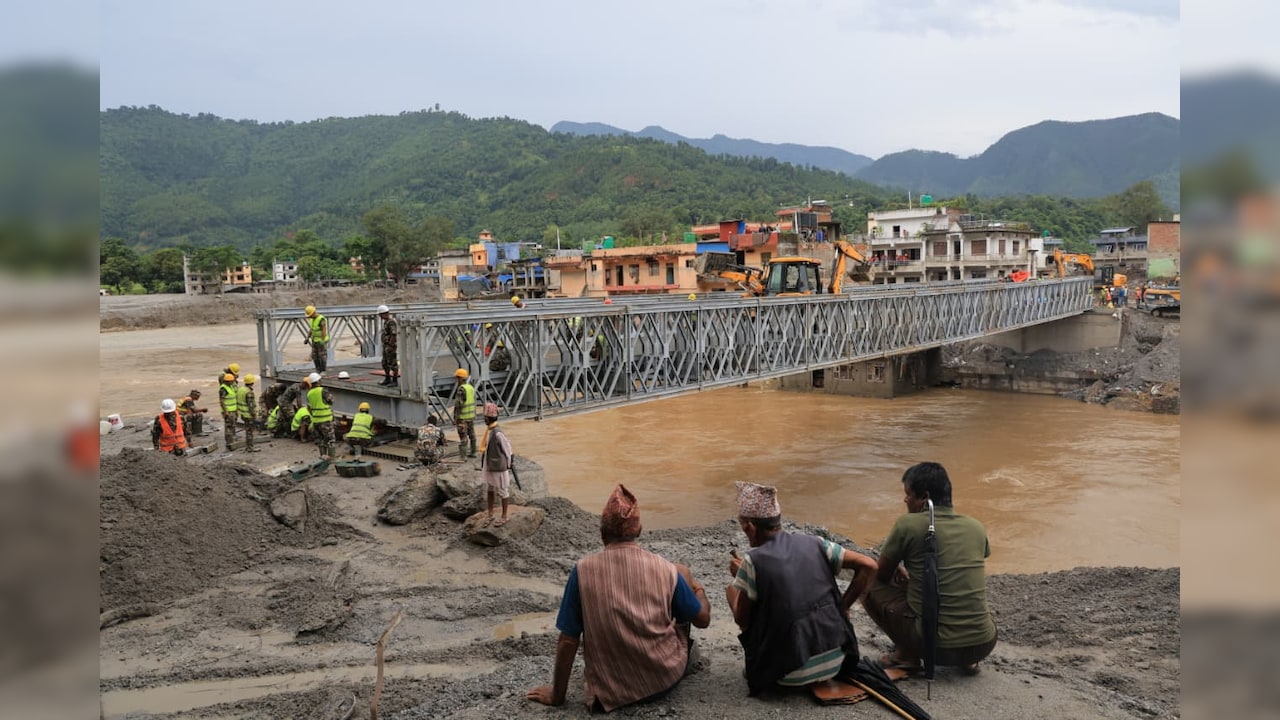
Every monsoon season, the headlines write themselves. Emergency broadcasts flash across screens. Evacuation warnings blare. Then the water recedes, the mud dries, and the collective amnesia sets in until the next storm rolls through the valleys of the Himalayas. The mainstream narrative insists that heavy rain alerts are the frontline defense against natural disasters in Nepal. That framing is dangerous, lazy, and fundamentally dishonest.
Heavy rainfall does not cause catastrophic flash floods. Unchecked urbanization, decades of systemic planning neglect, and a complete refusal to respect natural hydrological boundaries do. When an article warns you about an incoming downpour month after a disaster, it is masking systemic institutional failure behind meteorological misfortune. Weather is inevitable. Casualties and total infrastructure collapse are choices.
I have walked the river corridors of the Kathmandu Valley and the steep, scarred hillsides flanking major transit arteries after monsoon washouts. I have watched millions of dollars in international disaster relief vanish into bureaucratic black holes while riverbanks continue to be treated as prime real estate for illegal concrete construction. We are not fighting nature. We are engineering our own destruction and then blaming the clouds.
The Geography of Neglect
To understand why traditional flood alerts fail, you have to look at how water actually moves through a mountainous topography. When monsoon precipitation hits deforested slopes, it transforms instantly from surface absorption into kinetic energy. A steep gradient means water moves fast. Extremely fast.
Standard meteorological warnings give people hours, sometimes days, of notice. But notice without structural agency is useless. If a settlement sits directly on a choked floodway because local municipal authorities sold permits in exchange for political patronage, a text message telling residents it is raining hard changes nothing.
The conventional coverage treats flash floods as sudden acts of God. They are not. They are the predictable mathematical product of three variables: extreme topography, compromised soil retention, and urban planning that belongs in the dark ages. When we reduce these events to rain alerts, we let zoning boards and municipal officials off the hook.
Let us look at the data. Geological surveys of the major river basins entering the Terai and cutting through the mid-hills show a consistent pattern. Sediment loads have increased exponentially over the last twenty years due to unengineered road construction. Bulldozers carve roads into unstable mountain flanks without retaining walls or proper drainage. The loose earth slides down into the riverbeds, raising the river bottoms. When heavy rain finally arrives, the rivers have nowhere to spread horizontally because concrete encroachments have narrowed their channels. The water goes up instead of out.
That is not a meteorological crisis. That is civil engineering malpractice.
The Myth of Preparedness Through Panic
We are told that early warning systems save lives. Sirens ring out. SMS broadcasts ping phones. Communities are told to move to higher ground.
This sounds progressive on paper. In practice, it treats the symptom while ignoring the disease. Panic-driven evacuations are a symptom of a society that has given up on permanent mitigation. Every time we rely on a siren, we admit we failed to build resilient infrastructure.
Imagine a scenario where a city invests its capital into relocating vulnerable settlements away from active flood zones rather than spending the same budget year after year on emergency rescue boats and temporary tent camps. The former requires political courage. The latter sustains an entire economy of disaster management grants, international aid optics, and bureaucratic inertia.
The emergency response industry loves a crisis. It justifies budgets. It provides photo opportunities for ministers in orange life jackets standing knee-deep in brown water. But it does nothing to protect the next generation of citizens who will build houses on the exact same vulnerable alluvial fans once the mud is cleared.
Dismantling the Monsoon Panic Industry
Why do media outlets continuously frame these events as unavoidable tragedies triggered by angry skies? Because accountability is difficult, whereas weather reporting is easy.
When an article warns of heavy rain following a devastating flash flood, it comforts the reader with the illusion that nature is the enemy. If nature is the enemy, nobody is at fault. The monsoon is just doing what it has done for millennia. The fault lies entirely with human arrogance.
We have straightened winding rivers. We have paved over natural wetlands and absorption basins in the Kathmandu Valley. We have dumped construction debris directly into watercourses. Then, when the inevitable hydraulic bottleneck occurs and the water backs up into living rooms, we point to the rain gauge and act surprised.
True preparedness requires an uncomfortable reckoning. It means revoking construction permits in high-risk zones, even when wealthy developers own the land. It means halting unscientific road expansion in fragile mountain ecosystems. It means enforcing environmental impact assessments instead of treating them as bureaucratic hurdles to be bribed past.
Until we stop treating monsoons as unexpected emergencies and start treating them as fixed, predictable annual realities that demand rigorous structural adaptation, every warning alert is just an early notice for the next avoidable catastrophe.
The sky is not falling. We are simply building our houses in the path of the avalanche.