Every time a hillside gives way under a torrential downpour, the headline writes itself. Tragedy strikes. Freak weather event. Mother Nature claims another victim. We shake our heads, mutter condolences for the lost lives, and wait for the soil to dry out so we can rebuild the exact same houses in the exact same footprint.
It is a comforting narrative. It absolves everyone of responsibility. It turns a predictable structural failure into an act of God.
The media loves a good mudslide story because it plays into the ancient myth of human helplessness against the elements. When tropical storms sweep ashore and saturated earth swallows homes, the blame is assigned to millimeters of rainfall and wind speeds. The narrative frames the disaster as an unpredictable catastrophe born from the sky.
That framework is a lie.
Rain does not kill people. Gravity does not have a malicious agenda. Deforestation, unmitigated slope cutting for real estate development, and institutional refusal to enforce zoning restrictions are the actual culprits. When a hillside collapses after a storm, the investigation should not focus on meteorology. It should focus on civil engineering approvals, municipal corruption, and the willful ignorance of hazard mapping.
The Geography of Manufactured Disasters
Look at the mechanics of these events. Tropical storms pack immense amounts of water, dropping months of precipitation in hours. This is a known variable. We have satellite data, geological surveys, and centuries of historical precedent. We know precisely which soils liquefy when saturated. We know the angle of repose for loose shale and clay.
Yet, local governments routinely issue building permits for steep mountain gradients because flat land is expensive. Developers carve toe cuts into the base of hills to maximize flat square footage for foundations, removing the natural buttress holding millions of tons of topsoil in place. They pave over natural drainage channels, routing torrential runoff directly into vulnerable slopes.
When the storm arrives, the soil does not suddenly decide to betray humanity. It simply obeys the laws of physics after humans spent a decade systematically dismantling its structural integrity.
The Comforting Myth of the Natural Disaster
Calling these events natural disasters is a linguistic shield for incompetence. If an engineer designs a bridge that collapses under normal load limits, they lose their license and face criminal negligence charges. If a municipal planner greenlights a subdivision on an unstable alluvial fan, and a storm washes it away, the event is categorized as an act of God.
This double standard costs lives. It allows local authorities to dodge accountability for poor land management. It lets insurance companies hike premiums while refusing to invest in proactive slope stabilization infrastructure like retaining walls, sub-surface drainage arrays, and deep-root reforestation.
Imagine a scenario where municipal leaders were held legally and financially liable for every ton of earth that slips onto a residential street due to compromised drainage. Urban planning departments would stop approving hillside sprawl overnight. Geospatial hazard maps would become absolute law rather than polite suggestions ignored by developers with political connections.
Dismantling the Emergency Response Facade
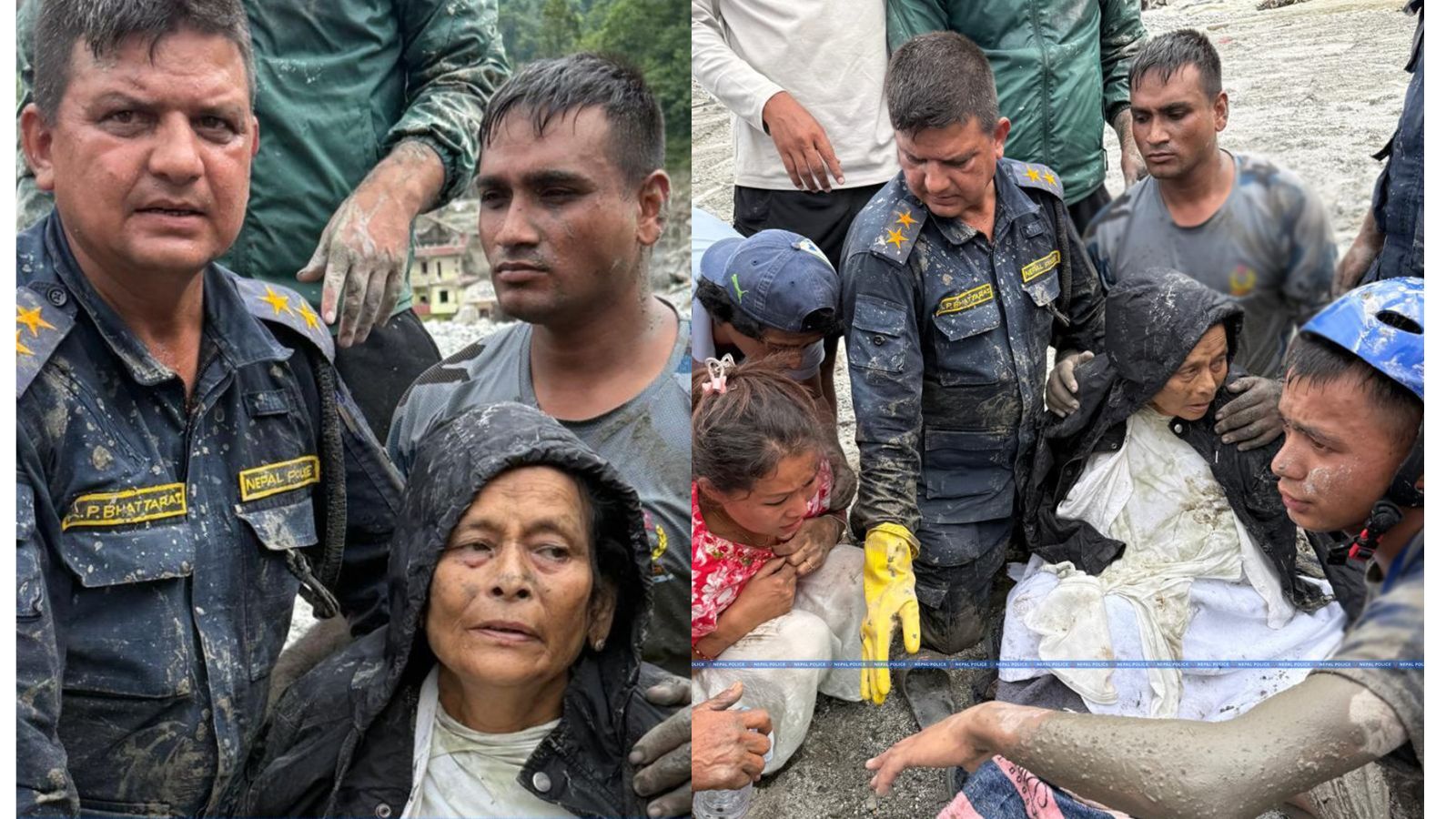
Governments love talking about emergency response. Search and rescue operations make great footage for the evening news. Helicopters hovering over mud, rescue dogs sniffing through debris, officials in high-visibility jackets pointing at maps—it projects competence and urgency.
It is also an expensive distraction from prevention.
Pouring resources into post-disaster recovery while ignoring pre-disaster mitigation is like building a hospital at the bottom of a cliff instead of putting a fence at the top. Search and rescue is what you do when you have already lost. It is the administrative equivalent of throwing up your hands and admitting failure.
True disaster mitigation is invisible. It looks like a vacant hillside where no one is allowed to build. It looks like millions of dollars spent on subterranean drainage pipes that nobody ever sees or thinks about until a storm hits and nothing happens. It looks like mayors telling real estate developers no.
The Real Solution Nobody Wants to Fund
Preventing hillside collapses requires boring, expensive, unglamorous engineering. It requires aggressive managed retreat, where governments buy out property owners in high-risk zones and restore the land to its natural, forested state.
Nobody wins an election by telling constituents that their dream home with a valley view sits on a ticking geological clock and must be bulldozed. Politicians prefer the ribbon-cutting ceremony for the new housing estate over the quiet, thankless task of enforcing strict watershed protections.
Until we stop treating gravity as a surprise and zoning corruption as a victimless crime, the body counts will keep climbing. The rain will keep falling, the earth will keep moving, and we will keep acting shocked by an outcome we engineered ourselves.