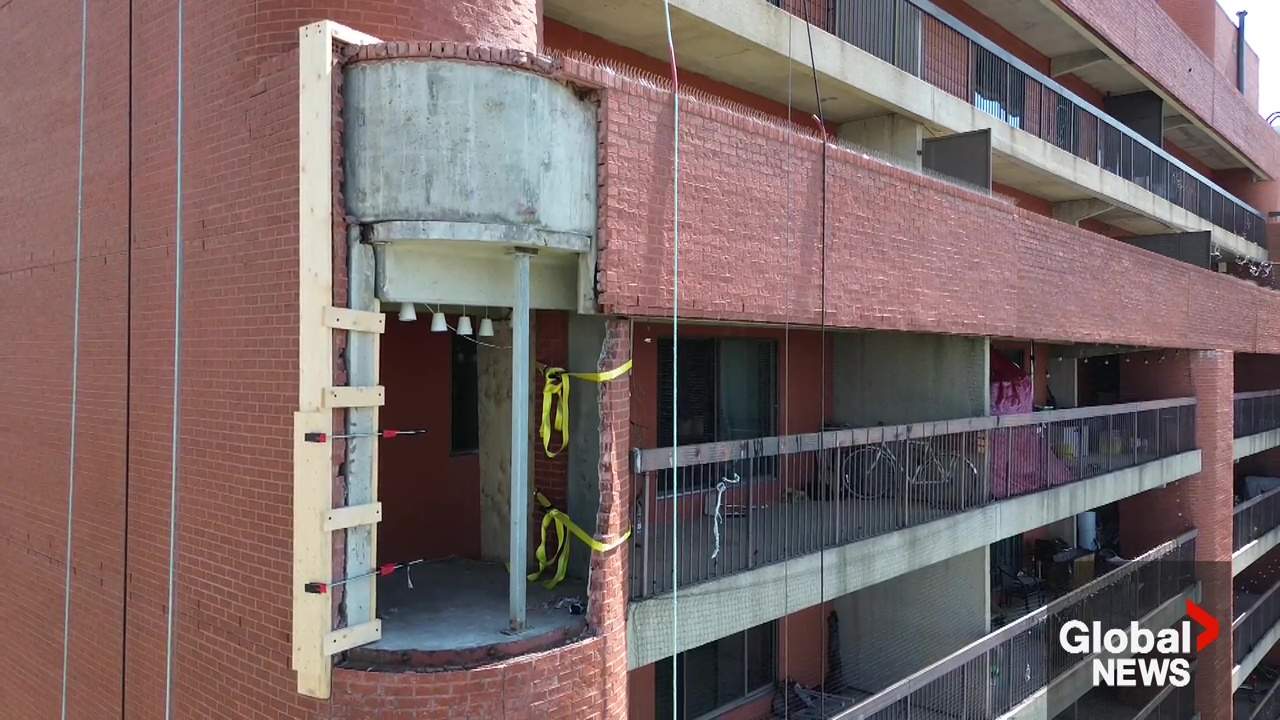
Summer storms hit, basements flood, drywall softens, and the immediate reaction is always the same. Renters grab their phones, call local news stations, and demand immediate municipal intervention or landlord blood. The lazy consensus says the property owner failed in their duty of care. The lazy consensus says tenants are helpless victims of corporate neglect.
The lazy consensus is wrong.
I have spent fifteen years watching real estate portfolios absorb weather anomalies, insurance market shocks, and municipal code changes. I have seen management companies blow millions fixing the same preventable structural vulnerabilities while tenants refuse to take basic operational control of their own living spaces.
Everyone is asking the wrong question. The question is not how to force landlords to bulletproof every vintage mid-rise against hundred-year weather events. The question is why modern renters treat long-term residential units like disposable hotel rooms, completely detached from the physical realities of property maintenance and climate physics.
The Myth Of Absolute Shelter
We live in an era of hyper-consumerism where apartment living is marketed as a subscription service. You pay a fee, everything works, and if something breaks, you file a digital ticket and wait for a savior in a polo shirt to fix it.
Real estate does not work that way. Physics does not care about your lease agreement.
When a severe weather cell dumps three inches of rain in forty minutes, storm drainage systems across urban centers reach maximum capacity. Municipal infrastructure backs up. Water follows gravity. If your suite at Boardwalk Centre or any other high-density complex experiences water intrusion, you are witnessing the collision of aging civil engineering and extreme weather volatility.
Blaming the landlord for a flash flood is like blaming Delta Air Lines when lightning strikes your flight path. They did not create the weather, and their legal liability is frequently bounded by structural limits that tenants refuse to understand.
Let us look at the standard lease agreement. It protects the tenant's right to habitability, yes. But it also assumes a baseline level of tenant cooperation regarding internal mitigation. When tenants keep windows unlatched during driving rain, block primary scuppers on balconies with patio furniture, or ignore slow weeping seals around window frames until a gale force wind turns them into indoor geysers, the damage shifts from an owner's neglect to an operational failure of occupancy.
The Insurance Illusion
Let us talk about renter insurance, or rather, the criminal avoidance of it.
Every time a storm damages tenant property, interviews outside flooded buildings feature distraught residents crying because their electronics, furniture, and sentimental items were ruined, and management will not cut them a check.
Here is the brutal truth nobody in the tenant advocacy space wants to admit. Your landlord's property insurance does not cover your personal belongings. Never has. Never will. If you own four thousand dollars worth of gaming gear and keep it on the floor of a garden-level suite in a flood-prone drainage basin without a dedicated content insurance policy, you have committed an act of severe financial negligence.
Property owners carry commercial policies designed to fix studs, drywall, and structural elements. Those policies carry deductibles that frequently exceed fifty thousand dollars per incident. Expecting a landlord to cover personal property loss out of pocket after a storm is economic illiteracy.
I have watched property managers absorb massive reputational hits in local press because thirty tenants failed to spend fifteen dollars a month on comprehensive contents coverage. The media loves a David versus Goliath narrative, but David here is often just financially illiterate and looking for a scapegoat for his own lack of risk management.
What Structural Neglect Actually Looks Like
Do bad landlords exist? Absolutely. There are slumlords who defer maintenance until buildings rot from the inside out. I have walked through properties where exterior flashing was rusted through during the Reagan administration and management painted over the mold year after year.
That is real negligence. But conflating chronic structural rot with a sudden, localized cloudburst that overwhelms urban watershed management is intellectually lazy.
If a building has sub-grade weeping tile failures, hydrostatic pressure will push water through concrete foundation walls regardless of how many coats of Drylok the maintenance team applied last Tuesday. Fixing that requires a capital expenditure in the millions, requiring excavation, municipal street permits, and months of heavy civil engineering work.
You cannot fix a fundamental hydrological design flaw with a squeegee and a sympathetic nod from a tenant association representative.
When renters demand immediate action after a summer storm, they are often demanding an impossibility. You cannot magically upgrade a 1970s concrete-block perimeter drain system in forty-eight hours because a thunderstorm dropped a month's worth of rain in an afternoon.
The Uncomfortable Action Plan
If you actually want to survive modern apartment living without losing your sanity or your possessions, you need to stop waiting for property management to save you. Here is the unvarnished playbook for protecting your space.
Stop treating ground-level or basement suites like penthouse units. If you rent below grade, you are living in a hydrological basin. Act like it. Elevate your electronics. Do not put valuable rugs directly on concrete subfloors. Buy water sensor alarms for twenty dollars and place them near entry points and utility closets. They beep long before water reaches your baseboards.
Check your lease for the force majeure clauses and insurance requirements. If your provider does not offer water backup coverage as an endorsement on your renter policy, switch providers today.
Demand maintenance logs, not apologies. When management claims they perform regular roof and drainage clearing, ask for the contractor sign-off sheets. If they cannot produce them, you have actual leverage for a rent escrow or municipal code complaint. Focus your outrage on verifiable paper trails of deferred maintenance, not the weather.
Take physical control of your immediate environment. Clear your balcony drains. Report micro-leaks the day they appear, not three months later when a summer storm turns a minor seal failure into a indoor swimming pool.
The weather is getting worse, and urban infrastructure is aging out. Relying on emotional press releases and tenant rallies to fix structural reality is a fool's errand. Stop whining about the storm. Fix your defenses.