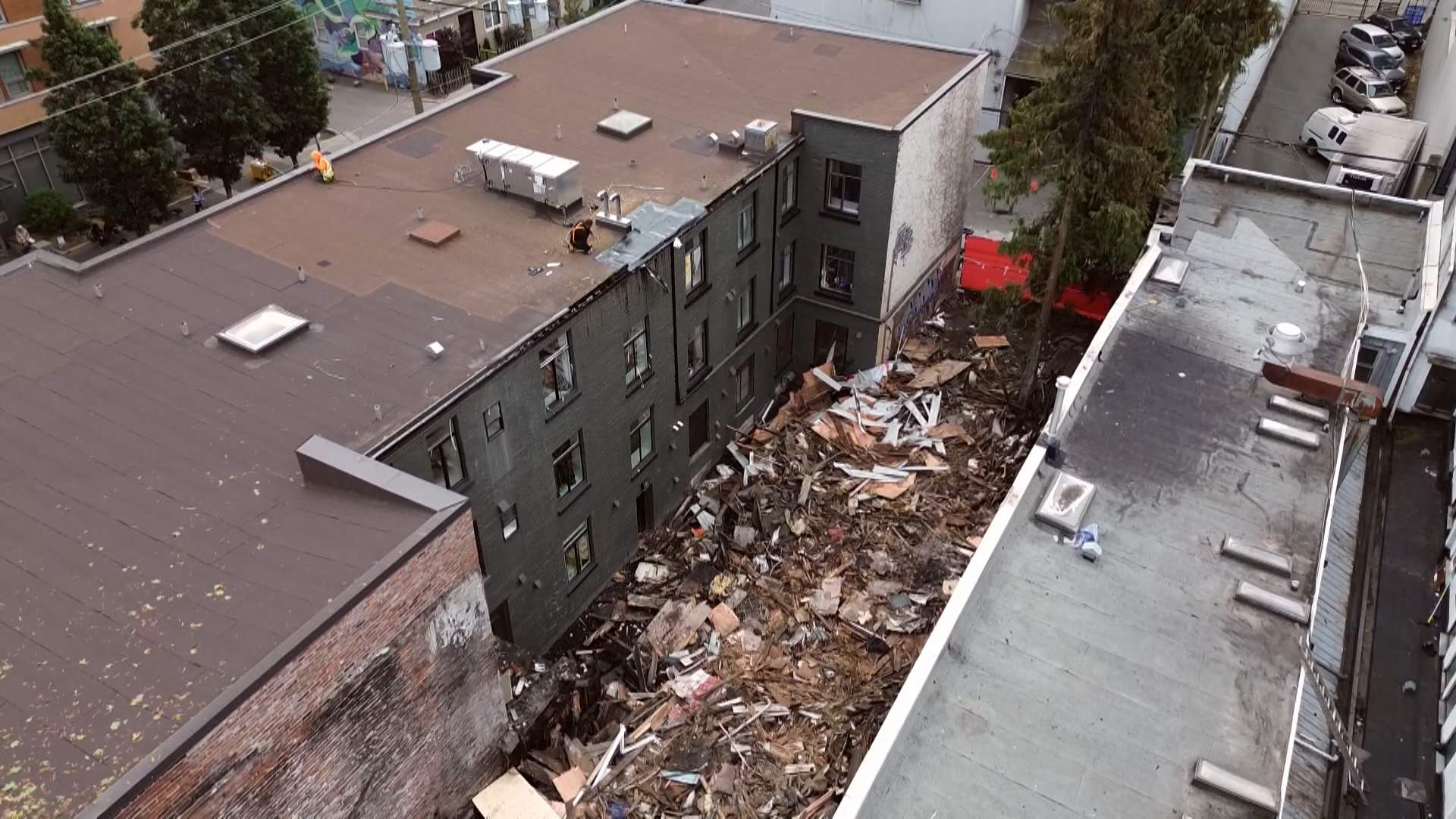
Every single single-room occupancy headline in this city follows the exact same script.
A tragedy occurs, smoke clears over the Downtown Eastside, and the predictable chorus begins. Activists point fingers at municipal bureaucrats. Landlords point fingers at underfunded maintenance budgets. Politicians point fingers at senior levels of government while staring desperately at their polling numbers. Everyone agrees on the lazy consensus: if only the city had enforced fire codes harder, or pumped another million dollars into municipal subsidies, the Powell Street fire never would have happened.
It is a comforting narrative. It is also entirely, dangerously wrong.
I have spent the last decade walking through these rotting Victorian rooming houses while developers circle like vultures and tenants hang on by fraying threads. I have watched city inspectors issue polite compliance orders that get ignored because the underlying asset is worth more empty than occupied.
Blaming City Hall for the Powell Street fire is a convenient cop-out that lets private slumlords, systemic economic neglect, and the entire dysfunctional architecture of our housing market off the hook.
Let us look at the mechanics of what actually breaks down when a heritage SRO goes up in flames.
The Compliance Illusion
The central fallacy of the municipal-failure argument is that a bureaucracy with a clipboard possesses some magical shield against urban decay.
When a building inspector cites a dilapidated SRO on Powell Street for faulty knob-and-tube wiring or missing fire doors, what happens next? If the owner is a absentee operator squeezing the last drops of rental income from a crumbling shell, they do not rush to call a certified electrician. They stall. They drag out legal proceedings through an administrative appeals tribunal that moves at the speed of glacial drift.
And if the city actually grows teeth and slaps them with an emergency closure order? The tenants end up on the sidewalk. That is the brutal catch-22 of our current housing crisis. We have weaponized code enforcement into a displacement engine. When you shut down a derelict rooming house for safety violations, you do not magically relocate sixty vulnerable human beings into supportive, modern studio apartments. You push them into tents two blocks away, or into an even worse firetrap down the alley.
City Hall didn't spark the fire on Powell Street. The structural incentives of our property market did.
The Economics of Neglect
Here is what the standard news coverage refuses to explain. Operating an aging SRO in Vancouver is an economic war of attrition.
When land values skyrocket past the stratosphere, keeping a low-income rooming house standing becomes a financial act of defiance against the surrounding neighborhood's gentrification. Property owners face a stark choice: pour hundreds of thousands of dollars into seismic upgrades, modern sprinkler systems, and fireproofing for tenants paying minimum social assistance rates, or let the asset rot until a rezoning application finally clears.
Maintenance is expensive. Neglect is profitable.
When you allow private operators to run buildings on razor-thin margins while land speculation roars around them, safety measures are the first thing to vanish. Expecting a municipal bureaucracy to police this decay room by room is like trying to bail out the Titanic with a teaspoon. The system is designed to reward deterioration. Until we change the financial gravity governing these parcels of land, pointing angry fingers at municipal building inspectors is pure theater.
Why Non-Profit Operators Are Struggling Too
Let us address the other sacred cow: the belief that transferring every SRO to non-profit housing societies is a silver bullet.
I have seen non-profits take over buildings with the best intentions, only to find themselves drowning in deferred maintenance bills that stretch back to the 1970s. You cannot fix a rotting wooden structure with good vibes and community grants.
Many of these heritage buildings were obsolete a generation ago. They lack modern fire compartmentalization. Their electrical grids were designed for incandescent lightbulbs and hot plates, not space heaters running flat out during an unseasonable cold snap. When a non-profit inherits a century-old rooming house, they inherit a ticking time bomb. Pumping operational subsidies into structures past their functional lifespan is throwing good money after bad architecture.
The Uncomfortable Solution
If we want to stop waking up to the smell of smoke in the Downtown Eastside, we have to stop treating SRO safety as a regulatory tuning exercise.
First, we need aggressive, uncompensated acquisition of dilapidated private SROs by public or truly community-owned land trusts. No more gentle negotiations with slumlords who treat human misery as a cash flow stream. If an owner cannot or will not maintain basic safety standards, the asset must be seized at land value minus the cost of remediation.
Second, we must stop pretending that preserving these dangerous wooden firetraps is an act of preservation. Many of them cannot be safely retrofitted to modern standards without gutting them entirely. We need modular, fire-engineered public housing built on those exact same footprints, designed from the ground up to withstand both human wear and structural stress.
Until we strip away the comforting illusion that a few more municipal inspectors can solve a systemic market failure, Powell Street was not an anomaly. It was a preview.
Stop blaming the desk jockeys at City Hall for failing to put out a fire that the entire real estate ecosystem spent decades lighting.