The narrative writes itself with lazy predictability. A headline drops claiming that fish changing their biological sex from female to male are somehow being broken at a molecular level by recreational fishing pressure. Environmentalists clutch their pearls. Pundits demand immediate bans. Casual readers nod along to a clean, packaged tragedy about human hands ruining pristine aquatic ecosystems.
It is a neat story. It is also fundamentally wrong.
I have spent decades tracking fisheries, consulting on marine conservation policy, and watching well-meaning activists misinterpret basic aquatic biology to fit a clean narrative. Let us dismantle the lazy consensus right now. Sequential hermaphroditism—the natural process where certain fish species start life as one sex and transition to another—is not a pathology caused by hooks, lines, and sinkers. It is an evolutionary masterstroke millions of years older than human civilization.
Blaming angling for a molecular crisis in sex-changing species misunderstands how evolution operates under pressure.
The Flawed Premise of Molecular Damage
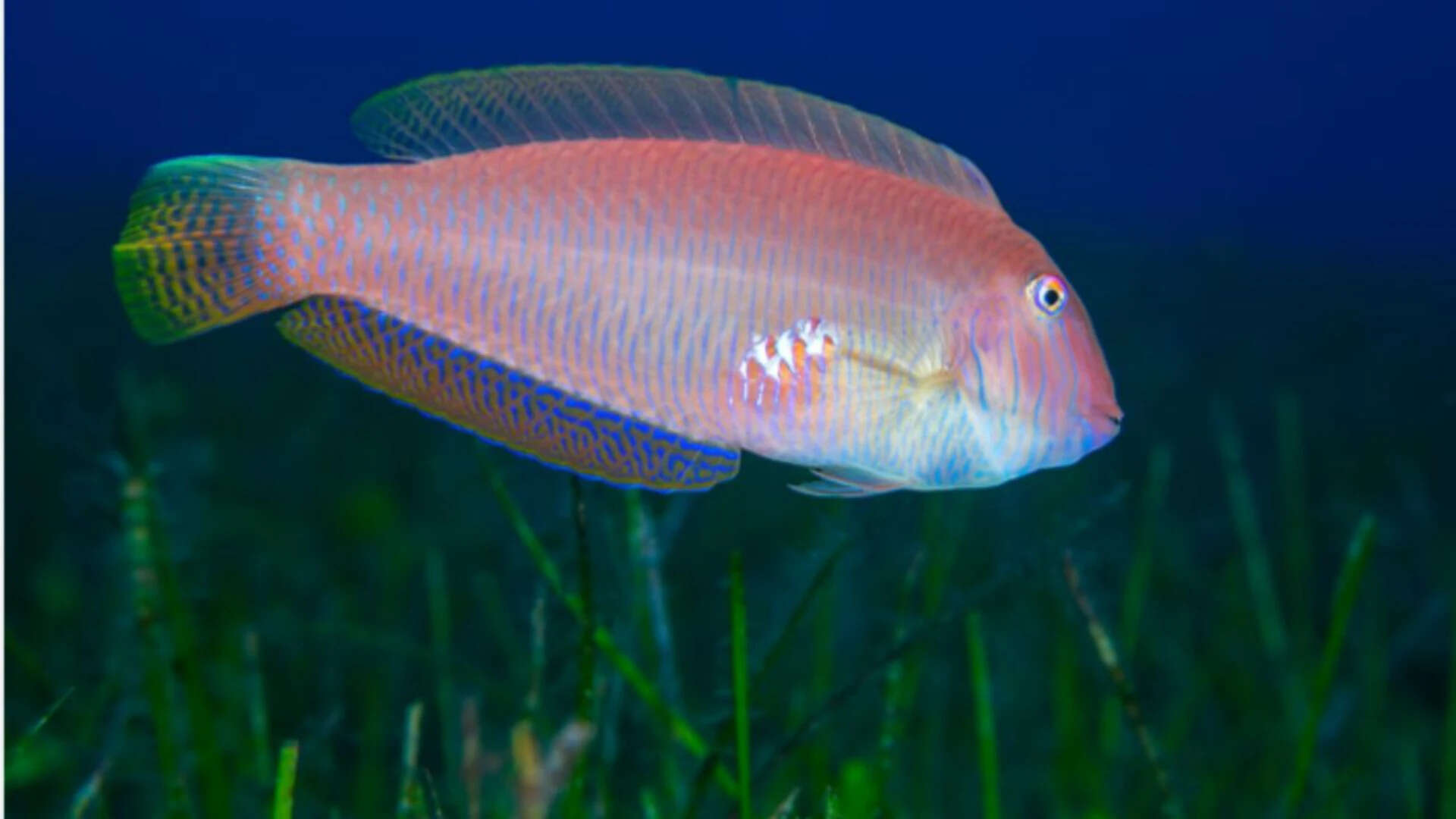
Let us define terms clearly. Sequential hermaphroditism—specifically protogyny, where females transition into males—is common in families like groupers, wrasses, and parrotfishes. When a dominant male is removed from a social structure, physiological cues trigger the largest remaining female to transition and fill the vacancy. This is not a malfunction. It is a feature.
The panic over fishing altering these dynamics at a "molecular level" stems from a profound misunderstanding of genetic plasticity. When environmental pressures shift, organisms adapt through phenotypic plasticity. They do not shatter into genetic ruin; they utilize built-in biological toolkits designed specifically to handle demographic shocks.
To claim that catching fish accelerates or distorts this process into a negative outcome ignores how resilient these populations actually are. Removing large terminal males does not break the species. It triggers a rapid, evolutionary-tested relay race where the next capable organism steps up.
Why the Data Doesn't Back the Panic
Look at the actual science rather than the emotional press releases. Researchers love to point to skewed sex ratios in heavily fished zones as proof of ecological collapse. What they miss is that marine populations are dynamic, not static dioramas.
Imagine a scenario where a coral reef experiences intense fishing pressure targeting large, colorful terminal-phase males. Traditional conservation models predict a catastrophic reproductive failure. Yet, field observations show younger, smaller males stepping in earlier, or females transitioning at a smaller size and younger age to compensate.
This is not molecular degradation. This is biological agility in real time.
The critics demand strict closures and total bans because they view nature as a fragile glass house. History proves otherwise. Nature is an iron forge. When you alter the density of a population, you apply selection pressure. Fish that can adapt their life histories rapidly survive and reproduce. Those that cannot, perish. That is evolution, not an industrial accident.
The Real Threat Nobody Wants to Talk About
If we want to protect marine ecosystems, we need to stop tilting at the windmills of recreational angling and look at actual systemic drivers. Habitat loss, chemical runoff, agricultural pollution, and genuine thermal stress from rising ocean temperatures are the real culprits rewriting marine biology.
Blaming a weekend fisherman casting a lure for altering fish at a molecular level is a convenient distraction. It lets industrial polluters and municipal policy-makers off the hook while giving activists an easy target to fundraise against. It is easier to villainize a person holding a rod than it is to regulate the chemical cocktails flowing down major river systems into coastal estuaries.
Let us be honest about the downsides of this perspective. Accepting that marine species are resilient enough to handle pressure means admitting that blanket bans and emotional panic-mongering are often poor management tools. It requires nuanced, data-driven quotas, habitat protection, and water quality control—boring, complex work that does not generate viral headlines.
The Actionable Truth
Stop falling for the panic. If you care about the health of fish populations, redirect your energy away from demonizing sustainable anglers and toward fighting coastal habitat destruction and chemical runoff. Support local catch-and-release ethics that preserve large breeding stocks while keeping local economies invested in clean water.
Nature does not need your pity. It needs your respect, and that starts with understanding how it actually works instead of buying into polished fairy tales designed to manipulate your emotions.