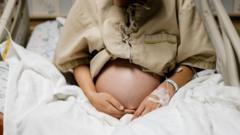
On July 23, 2026, the Seoul High Court overturned a murder conviction against a 26-year-old woman who underwent a late-stage termination. It's a ruling that brings temporary relief to an individual, but it lays bare a massive, systemic failure in South Korea’s healthcare and legal frameworks.
How did a medical procedure turn into a high-profile criminal murder trial in the first place?
The answer lies in a complete legislative standstill that has dragged on for years.
The Story Behind the Headlines
Back in June 2024, a 26-year-old woman terminated her pregnancy at around 34 to 36 weeks at an Incheon clinic. She shared her journey and stay in the hospital on YouTube. The video went viral instantly. Public outrage followed.
Instead of addressing the lack of clear healthcare protocols, the Ministry of Health and Welfare pushed for police intervention and demanded harsh punishment. Early in 2026, prosecutors charged the woman, the operating doctor, the clinic director, and two facilitators with premeditated murder.
By March 2026, the Seoul Central District Court handed down a three-year suspended prison sentence to the woman, alongside 200 hours of community service. The doctor received a four-year prison sentence, while the hospital director got six years and massive financial penalties.
The recent appeal acquittal finally cleared the woman of murder, but the convictions against the medical staff stood, albeit with reduced prison terms.
A Broken System and an Intentional Vacuum
You can't talk about this trial without looking back at 2019. That year, South Korea’s Constitutional Court declared the country's blanket ban on abortion unconstitutional. The court gave lawmakers a clear deadline: rewrite the laws by the end of 2020 to establish safe boundaries and clear healthcare standards.
Lawmakers did nothing.
Years passed, and the National Assembly failed to enact new regulatory frameworks. Technically, abortion was no longer illegal, but no clear guidelines existed regarding gestational limits, emergency procedures, or standard medical care.
When you create a gray area this big, people fall through the cracks. Pregnant women searching for necessary care find themselves isolated, desperate, and vulnerable to underground or unregulated procedures. Medical providers operate under constant fear of retroactive prosecution.
The state effectively abandoned its duty to regulate reproductive healthcare, and when a tragic, high-profile case emerged from that very silence, prosecutors defaulted to criminal murder charges.
The Hypocrisy of Severe Punishment
Treating late-stage terminations purely as homicide ignores why women end up seeking late procedures to begin with. Women rarely seek late-term procedures on a whim. They face severe financial hardships, lack of medical access, late discovery, or total social isolation.
Punishing patients and doctors after the fact doesn't prevent late terminations. It simply pushes them further into the shadows.
Amnesty International rightfully pointed out that while acquitting the patient is a win for bodily integrity, upholding criminal charges against medical staff shows that structural healthcare flaws remain unaddressed. When doctors risk prison time for providing reproductive care in gray zones, safe healthcare access vanishes for everyone.
What Needs to Happen Now
South Korea cannot afford to let politicians dodge this issue any longer. High-profile court cases are a terrible, reactive way to dictate healthcare policy.
- Legislative Action: The National Assembly must update the Mother and Child Health Act immediately to establish clear, humane guidelines for reproductive healthcare.
- Clear Clinical Guidelines: Medical associations need legal protections and standard operating procedures for late-stage medical interventions so doctors aren't guessing what might land them in prison.
- Accessible Care: Healthcare systems must provide early, affordable, and non-judgmental access to reproductive services to minimize late-stage crises altogether.
Court acquittals offer individual justice, but true safety requires functional laws. Until South Korea closes its legal loopholes, pregnant people and medical professionals remain stuck in a broken system.