The room where diplomacy goes to die usually looks remarkably ordinary. It features the standard institutional beige walls, a polished mahogany table, and the faint, persistent hum of an HVAC system struggling against the humidity. But it is the silence that weighs on you. It is a heavy, suffocating quiet, broken only by the synchronized scratch of expensive pens on notepad paper.
For decades, we treated the Iranian nuclear standoff like a chess game. Pieces moved. Pledges were signed. Sanctions were leveraged like heavy blankets thrown over a smoldering fire. We convinced ourselves that as long as people were talking, the clock was paused.
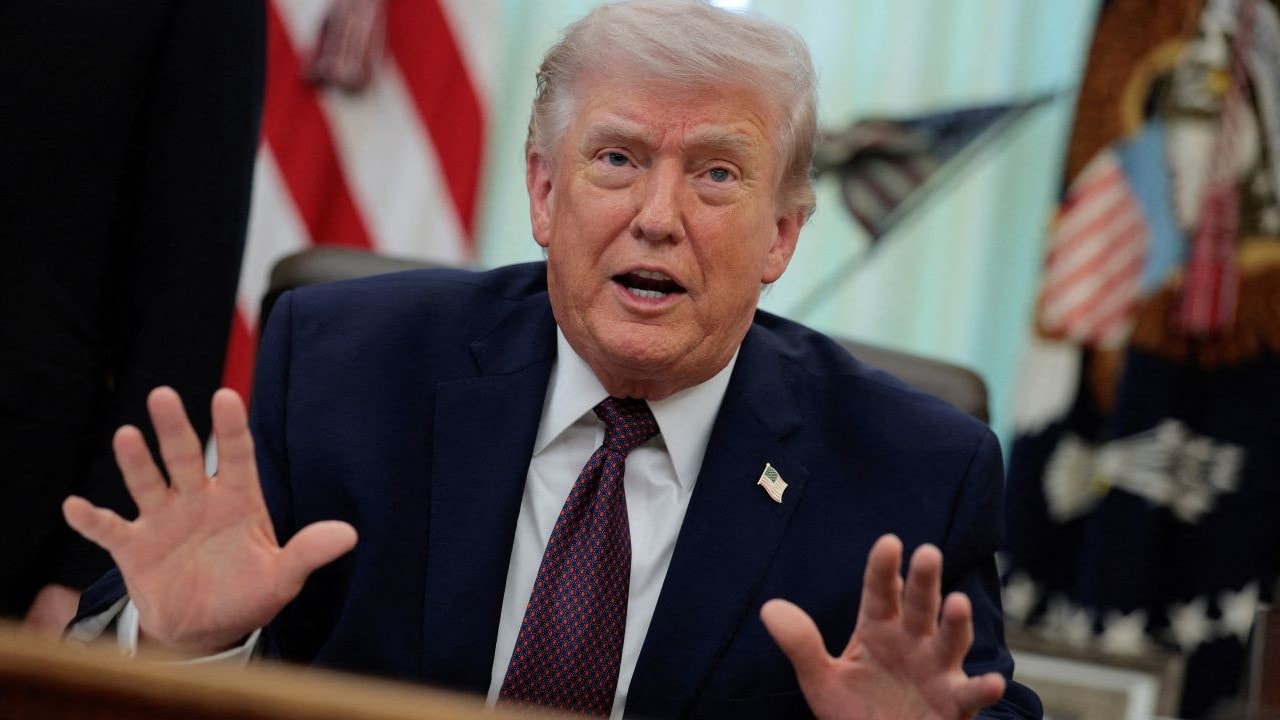
We were wrong. The clock never stopped. It just grew quieter, muffled by bureaucracy, until a sudden, sharp warning from Washington ripped the veil away. Donald Trump’s blunt declaration that Iran’s "clock is ticking" did not just shift the geopolitical landscape. It shattered the illusion of time itself.
When a former diplomat watches a crisis reach this specific kind of breaking point, they do not just see headlines or satellite photos of centrifuges spinning deep inside the earth at Natanz. They see the human panic behind the protocol. They remember the sleepless nights in Vienna hotels, staring at the ceiling, wondering if a single mistranslated word could trigger a regional war.
The threat is no longer an abstract problem for the next administration to kick down the road. The road has ended.
The Chemistry of Escalation
To understand how a crisis transitions from a slow burn to an explosion, look at a simple match.
Consider the anatomy of fire. If you strike a match gently, the friction creates just enough heat to ignite the phosphorus composition on the head. It flares, stabilizes, and burns predictably. This is controlled tension. For years, international relations with Tehran operated on this principle. Both sides knew exactly how hard they could push without setting the whole room on fire.
Now, imagine striking that same match inside a room filled with invisible gas.
That gas is the total collapse of mutual trust, accelerated by Iran’s rapid enrichment of uranium toward weapons-grade thresholds and a renewed American administration determined to draw an unyielding line in the sand. When the rhetoric turns from bureaucratic warnings to absolute ultimatums, the margin for error shrinks to zero.
A single spark—a miscalculated naval encounter in the Strait of Hormuz, a cyberattack that goes too far, a misinterpreted radar blip—is all it takes. The chemistry of the situation has changed from a manageable diplomatic dispute into a highly volatile chain reaction.
The Ghost in the Control Room
Let us step away from the podiums and the press releases. Let us look at what this breaking point actually means on the ground.
Picture a hypothetical technician named Javad. He is thirty-four years old, holds a master’s degree in nuclear engineering, and works deep underground in the Fordow enrichment facility. Javad is not a fanatic. He is a father who worries about the soaring price of milk in Tehran and his daughter’s asthma. Every day, he passes through heavy security checkpoints, descends into a bunker carved into a mountain, and monitors rows of advanced IR-6 centrifuges.
He knows exactly what those machines are doing. He watches the digital readouts display enrichment percentages climbing closer and closer to 90 percent—the magic, terrifying number that signifies weapons-grade material.
Javad also knows that above his head, invisible in the upper atmosphere, reconnaissance satellites are watching the vents of his facility. He knows that thousands of miles away, analysts are staring at screens, debating whether his workplace should be turned into a crater. When the American president says the clock is ticking, Javad does not think about grand strategy. He thinks about the thickness of the concrete ceiling above him.
Now shift your gaze to an underground command center in Washington or Tel Aviv.
A young intelligence analyst, let’s call her Sarah, is drinking her fourth cup of stale coffee. Her eyes are bloodshot from tracking shipping containers, specialized maraging steel acquisitions, and the public statements of Iranian hardliners. She is tasked with answering a horrific riddle: Is Tehran bluffing to gain leverage, or have they already decided to cross the finish line?
If Sarah misinterprets a spike in radiation data or a shift in Iranian missile positions, she might advise a preemptive strike that ignites a global economic catastrophe. If she hesitates, she might wake up to the news that a rogue state has acquired the ultimate weapon.
The weight of the world does not rest on the shoulders of historical giants. It rests on ordinary people trapped in extraordinary systems, operating under the agonizing pressure of a ticking clock.
The Illusion of the Perfect Option
When public intellectuals and talking heads debate the Iran crisis on television, they always present a menu of clean choices. They speak of "surgical strikes," "maximum pressure," or "diplomatic resets."
These are myths. Comforting lies designed to help citizens sleep at night.
In the real world of high-stakes statecraft, there are no good options. There are only catastrophic options and slightly less catastrophic options.
Take the concept of a military strike to destroy Iran's nuclear infrastructure. The phrase sounds precise, almost sterile. But you cannot bomb knowledge. Iran’s nuclear program is no longer an imported kit that can be wiped out with a few well-placed munitions. It is an indigenous, deeply entrenched scientific enterprise. The blueprints are memorized. The data is backed up in multiple hidden locations.
A military campaign would not erase Iran's nuclear ambitions; it would likely solidify them, driving the regime to sprint for a deterrent in the aftermath of an attack.
On the flip side, the path of inaction is equally haunted. Allow Iran to achieve breakout capacity, and the fragile nuclear non-proliferation framework dissolves entirely. Saudi Arabia, feeling entirely exposed, would likely seek its own nuclear umbrella. Turkey could follow. The Middle East, already a tinderbox of sectarian rivalries and proxy conflicts, would become a crowded theater of competing nuclear triggers.
This is the breaking point the former diplomat warned us about. It is the moment where every road leads to a cliff.
The Human Cost of Cold Strategy
We often speak of sanctions as if they are a bloodless dial that leaders can turn up or down to adjust political pressure. We view them as a civilized alternative to war.
But if you walk through the streets of Tehran, or talk to families who have fled the regime, you discover the scars left by this bloodless tool. Sanctions do not starve the decision-makers in their palaces. They starve the middle class. They empty pharmacy shelves of specialized cancer medications. They turn retirement savings into worthless paper overnight.
The deep tragedy of the ticking clock is that the civilian population bears the weight of the countdown. A generation of young Iranians, highly educated and globally connected through illegal VPNs, watches their futures evaporate while the regime doubles down on ideological survival.
The tension creates a psychological siege mentality. When a society feels backed into a corner by foreign ultimatums, internal dissent becomes luxury it can no longer afford. The hardliners use the American warnings to justify crushing domestic reform movements, painting every advocate for freedom as a Western saboteur.
The threat of external destruction ironically strengthens the internal grip of the oppressors.
The Empty Chair at the Table
Diplomacy is not a sign of weakness. It is the cold, calculated recognition that talking is cheaper than burying the dead.
But for diplomacy to work, both sides must believe that a peaceful exit exists. If you tell a cornered animal that its time is up, it does not negotiate. It prepares to bite. The current rhetoric has stripped away the exit ramps, leaving both Washington and Tehran racing toward a head-on collision, each convinced that turning the wheel first is an act of political suicide.
The real breaking point is not a sudden explosion. It is the quiet realization that the options have run out, that the words have lost their meaning, and that the momentum of escalation has taken on a life of its own.
In the grand halls of international summits, the chairs remain empty. The ink in the pens has dried. The analysts continue to watch the screens, the technicians continue to monitor the centrifuges, and the rest of the world waits, listening to the steady, deafening beat of a clock that has finally run out of seconds.