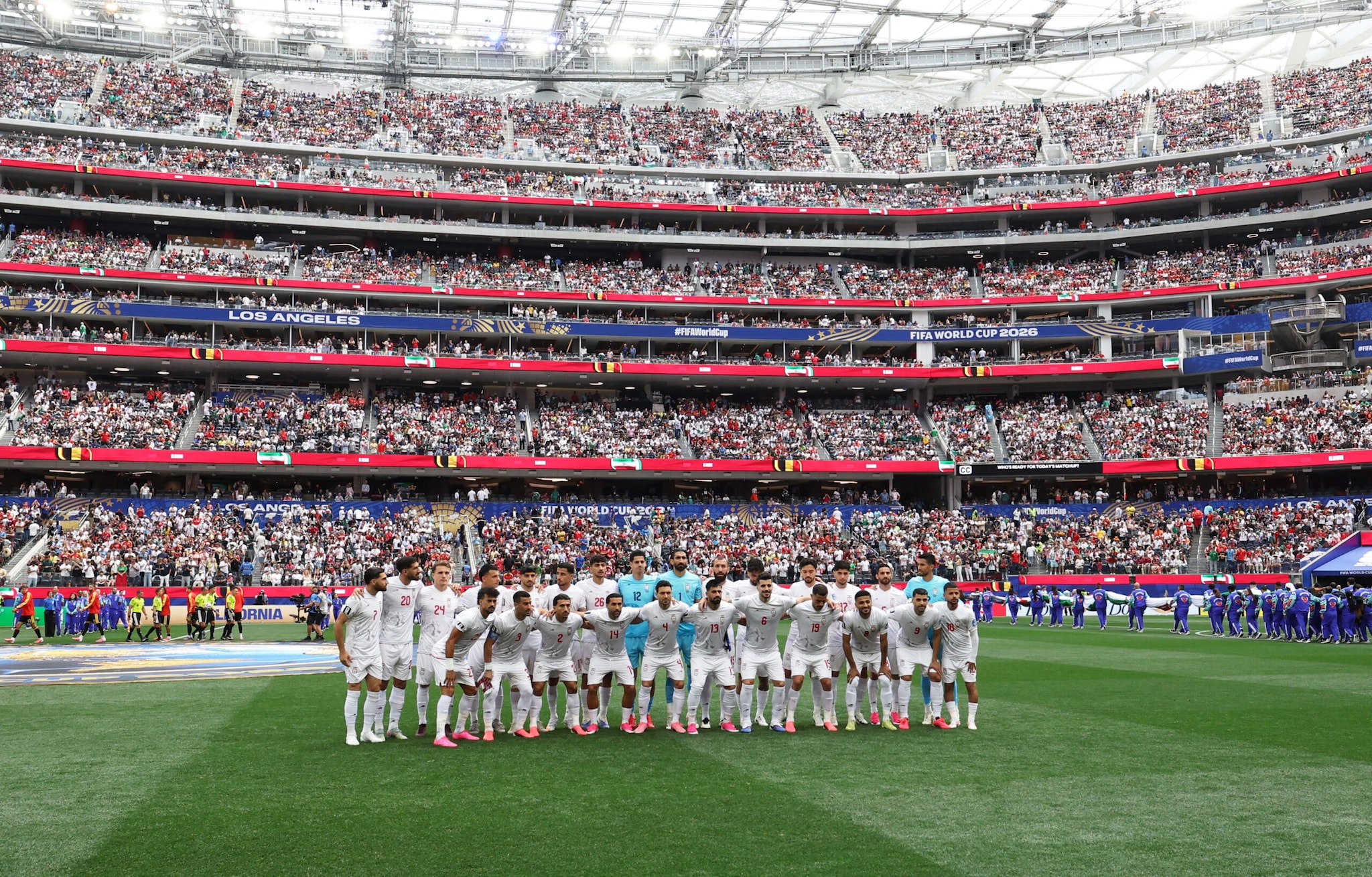
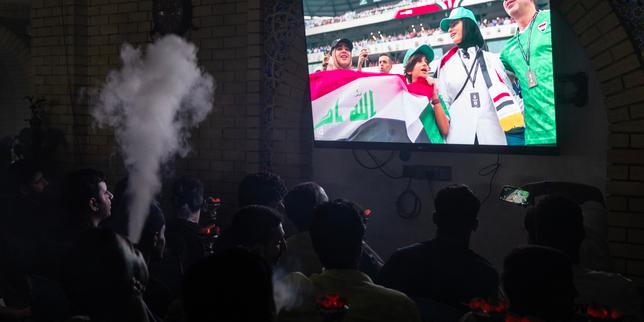
The corporate sports press loves a predictable narrative. Whenever a major international tournament rolls around, commentators inevitably hyper-fixate on the stands. They point to the flags, the banners, and the coordinated chants, breathless with the discovery that global sporting events are inherently political.
The lazy consensus surrounding the proliferation of Palestinian emblems at recent World Cup matches follows this exact script. Media outlets painted the phenomenon as a profound, grassroots shift in global consciousness—a moment where the regular populace bypassed traditional diplomatic channels to deliver an undeniable message.
It is a heartwarming sentiment. It is also entirely wrong.
Watching the stands and declaring a geopolitical shift is a fundamental misreading of how international influence actually operates. The visible display of political symbols inside a stadium is not a metric of shifting diplomatic tides. It is a highly curated, permitted release valve that serves the interests of the host nations and governing bodies far more than it impacts actual foreign policy.
The Myth of the Stadium as a Political Battlefield
Commentators looked at the sea of flags and saw an organic uprising of solidarity. They missed the structural reality of modern sports mega-events. FIFA operates under a strict, hyper-commercialized regime that aggressively polices speech, imagery, and branding. Nothing enters a modern stadium by accident.
When certain symbols are allowed to proliferate while others are strictly banned, it is not a victory for organic activism. It is a calculated concession by the organizers. During the tournament, the sudden visibility of specific geopolitical messaging was not a breakdown of control; it was a deliberate choice by the host nation to permit a specific narrative that aligned with its domestic public relations strategy.
International relations scholars have long documented this dynamic. The illusion of a free-expression zone allows authoritarian hosts to project a veneer of regional solidarity and grassroots freedom, all while maintaining absolute control over the actual political apparatus. By treating the stadium as a legitimate proxy for geopolitical change, observers fall for the ultimate public relations sleight of hand.
The Disconnect Between Optics and Policy
The hard truth of international diplomacy is that states do not rewrite foreign policy based on what happens in Section 302 of a soccer stadium.
Consider the historical precedent. The 1980 Moscow Olympics and the 1984 Los Angeles Olympics were defined by massive, state-sponsored boycotts and intense ideological posturing. The stands were filled with carefully orchestrated political messaging. Yet, the underlying cold war dynamics did not shift by a fraction of a millimeter because of what happened on the track or in the bleachers. The structural realities of military alliances, economic trade routes, and bilateral agreements remained entirely unaffected.
We see the exact same disconnect today. While the stands filled with symbolic solidarity, the actual back-room diplomatic negotiations between regional powers and global superpowers continued uninterrupted. Trade agreements were signed. Security arrangements were maintained.
- Optics: High-visibility, emotionally charged symbolic displays that dominate social media feeds for 48 hours.
- Policy: The cold, transactional reality of state intelligence sharing, natural gas contracts, and military aid.
Believing that a stadium full of flags exerts pressure on hardline state actors is an incredibly naive view of global governance. It confuses noise with leverage.
The Activism Delusion: Why Visibility is a Weak Metric
The modern obsession with "awareness" has degraded our understanding of political efficacy. The media evaluates the success of a movement based on how much visual real estate it occupies during a broadcast.
This is a dangerous miscalculation. High visibility without structural power is merely a spectacle. When fans wave flags at a soccer match, they are participating in a closed loop. The broadcast captures the image, social media amplifies it, and the viewers who already agree with the sentiment feel a momentary surge of validation.
Meanwhile, the actual mechanisms of oppression and conflict remain completely untouched. The governing bodies pocket billions in broadcasting rights, the host nation successfully sanitizes its image through sportswashing, and the fans go home believing they contributed to a global movement.
I have watched organizations throw millions of dollars into awareness campaigns at major sporting events, convinced that filling a stadium with a specific color or slogan will force legislative change. The result is always the same: a brief spike in Google search trends, followed by absolute silence when the circus leaves town. The only entities that truly benefit are the sporting federations that use the illusion of political engagement to prove their cultural relevance.
Dismantling the Fan Empowerment Narrative
People frequently ask: "But doesn't this show that the fans are taking back power from corporate sports entities?"
The premise of the question is fundamentally flawed. You cannot take back power using the exact infrastructure provided by the corporation. Every fan who entered those stadiums bought a ticket, passed through biometric security, consumed corporate-sponsored beverages, and adhered to a strict code of conduct dictated by a multi-billion dollar Swiss cartel.
The moment an activist relies on the broadcast cameras of a major network to deliver their message, they have already lost autonomy. They are now content filling a slot in an entertainment product. The system handles this easily. The broadcast cuts away when a display gets too disruptive, or selectively highlights it when it fits a compelling human-interest narrative arc. The house always wins.
The Cost of Symbolic Pacification
The real danger of the stadium activism myth is that it breeds political complacency. It offers a low-cost, high-emotion alternative to actual, effective political organizing.
When symbolic expression inside a commercial arena is treated as a meaningful act of resistance, it pacifies the participants. It provides the psychological reward of activism without any of the risk, sacrifice, or sustained strategic effort required to influence actual policy. It turns geopolitics into a subculture, defined by aesthetics, merchandise, and crowd participation.
Real geopolitical leverage is built through economic boycotts that hit balance sheets, targeted legal challenges in international courts, and sustained labor organizing that disrupts supply chains. It is boring, grueling, and rarely makes for a good television broadcast. Waving a flag during a corner kick is none of those things.
Stop looking at the stands for signs of a changing world. The stadium is not the arena where history is written; it is merely the theater where the illusion of participation is sold to the highest bidder.