The coffee in the paper cup goes cold long before the sirens stop.
Morning on the Boulevard Saint-Michel rarely arrives with quiet dignity. It arrives with the metallic rattle of rolling steel security shutters, the sharp scent of diesel mixed with the bitter tang of roasted beans, and, lately, the heavy, suffocating weight of anticipation. Everyone who walks these ancient stones knows the rhythm. First comes the silence—that strange, hollow absence of delivery trucks and tour buses. Then the low hum from the side streets. Then the smoke.
Tear gas does not smell like politics. It smells like burning plastic and stale pepper, stinging the eyes and catching in the back of the throat long before the black-clad figures round the corner.
For the eighteen-year-old economics student standing near the edge of the Place de la Sorbonne, this is not a theoretical exercise. Her backpack contains two notebooks, a spare sweater, and a pair of swimming goggles bought specifically for Tuesdays. She is not a professional agitator. She is someone who watched her parents stare at their electricity bills last winter with expressions that made them look ten years older. She is someone who spent three months trying to secure a subsidized student housing slot only to be told that the queue was four thousand names deep.
When the protests begin, they do not start with a manifesto. They start with a drumbeat on an empty metal trash can. Thump. Thump. Thump-thump-thump.
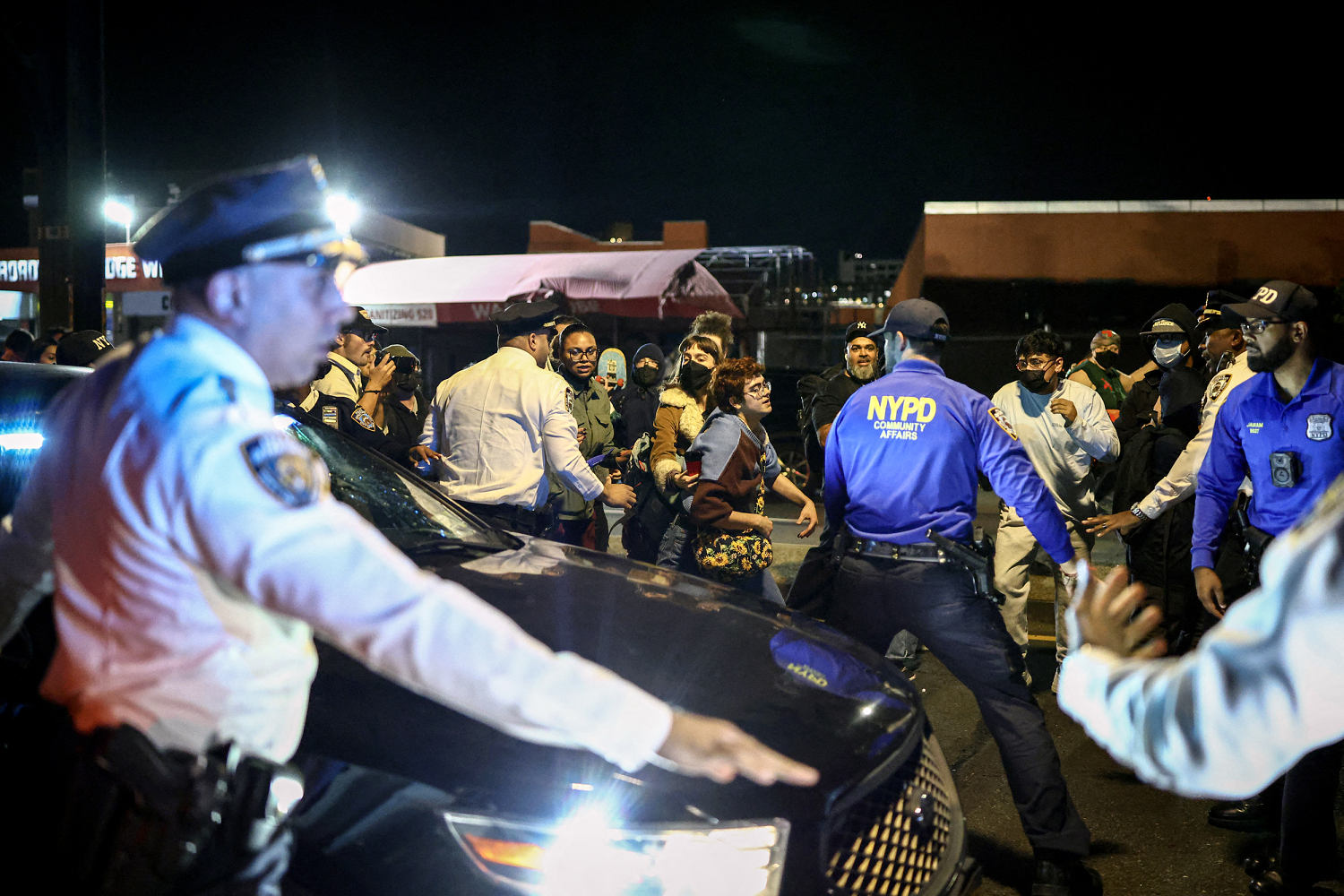
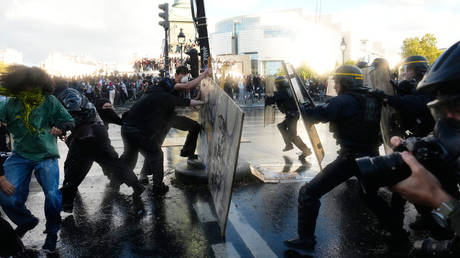
Within minutes, the broad avenue transforms. Plate-glass windows vanish behind sheets of thick, protective plywood. Tourists scatter toward the metro entrances like startled pigeons. And the lines are drawn—not just between the youths and the riot police in their heavy, armored carapaces, but between two entirely different ways of understanding the modern world.
To the government offices across the river, the unrest represents a logistical breakdown. It is a matter of public order, of transit schedules disrupted, of insurance claims filed and property damage tallied in millions of euros. The official communiqués speak of safety, of the rule of law, of the necessity of reform. They view the disruptions through the steady, detached lens of administrative necessity. The reforms to higher education funding, the adjustments to retirement ages that ripple down through the generational contract, the tightening budgets—they are presented as bitter medicine that a proud nation must swallow to stay competitive on the global stage.
But down here, where the tear gas stings and the air tastes of sulfur, the numbers mean something entirely different.
Consider what happens when a generation realizes that the social contract their grandparents fought for is fraying at the edges. In France, the idea of the state as a protective shield is not a political talking point; it is a cultural religion. Education is supposed to be the great equalizer, the ticket to a stable life where a person can afford an apartment in the city where they studied, buy bread without calculating the exact weight of the baguette, and look toward old age without a knot of dread in their stomach.
When that promise feels broken, the reaction is not merely frustration. It is grief. And grief, when ignored or met with administrative indifference, has a way of turning into fire.
By midday, the confrontation hardens. The police lines, stationed behind massive mobile barriers, stand motionless. They are young men and women, too, many of them not much older than the students throwing empty plastic bottles and smoke canisters. Underneath their helmets, sweat beads on their foreheads. They have been deployed since dawn, standing for hours on cold pavement, absorbing the fury of a crowd that sees them not as fellow citizens, but as the physical manifestation of an unlistening authority.
A young man near the fountain pulls down his scarf. His voice is hoarse from shouting slogans that have echoed down these same boulevards for two centuries.
"They talk about the budget deficit," he says, gesturing toward the ministries across the Seine with a gloved hand. "They talk about percentages and debt ratios. But they don't see the price of renting a nine-square-meter room in the Latin Quarter. They don't see what happens when you graduate into a gig economy where every door is locked from the inside."
He isn't entirely wrong, nor is he seeing the whole board. The macroeconomic pressures facing European nations are real, driven by shifting global demographics, sluggish post-pandemic recoveries, and soaring energy costs. No government can simply spend money it does not have without inviting a different kind of economic catastrophe—one marked by currency devaluation and runaway inflation that destroys savings just as effectively as high rents.
The tragedy lies in the absolute inability of these two realities to speak the same language.
The state speaks in balance sheets. The street speaks in visceral survival.
As afternoon bleeds into evening, the nature of the crowd shifts. The earnest students carrying placards about tuition and labor rights begin to drift away, their eyes red and their boots scuffed. In their place come the splinter groups—the masked figures whose primary language is destruction. Dumpster fires crackle with sickening intensity against the limestone facades of nineteenth-century buildings. Cobblestones are pried loose from the streetbeds, transformed in seconds from historic paving into crude projectiles.
This is the moment the television cameras love most. The burning barricade. The shattered glass of a bank branch. The frantic charge of riot squads firing flash-balls and stinging grenades into the gloom. It is dramatic, cinematic, and entirely superficial. It reduces a complex, agonizing societal fracture into a thirty-second clip of urban violence, stripping away the months of quiet desperation that led up to this exact street corner.
The fire trucks arrive with sirens wailing, cutting a slow, hazardous path through the thick grey fog. Firefighters douse the flames with high-pressure hoses, sending great plumes of acrid steam hissing into the night air. The black water runs down the gutters, carrying ash, cigarette butts, and scraps of discarded cardboard flyers.
Hours later, the crowds have thinned to ghosts.
The Boulevard Saint-Michel looks less like a modern European capital and more like a staging ground after a battle. Sweepers move in under the pale amber glow of streetlamps, shoveling broken glass and charred debris into heavy plastic bins. The air still smells faintly of smoke, clinging to the wool coats of the few late-night commuters hurrying toward the subway stops.
Tomorrow, the headlines will focus on the arrest numbers. They will count the injured officers, tally the property damage, and debate the political fallout for the ruling party. Pundits on evening talk shows will dissect the psychology of youth rebellion and offer competing theories on how the administration should handle the next wave of planned strikes.
But back in her tiny rented room near the Pantheon, the economics student sits at a scarred wooden desk. The swimming goggles lie beside her textbook, smudged with soot. Her phone buzzes with group chat notifications—warnings about transit strikes for tomorrow, mutual aid links for legal defense funds, shared notes for the microeconomics lecture she missed.
She opens her laptop. The glowing screen illuminates her tired face. She has an essay due at eight in the morning on the efficiency of market equilibrium.
She stares at the blank document for a long time, listening to the distant, lonely wail of a police cruiser echoing off the stone walls outside, wondering how the equations on the page ever got so far away from the lives of the people who have to live them.