Winter in Europe does not arrive with a polite knock. It comes down from the Baltic like an uninvited debt collector, scouring the North Sea, rattling windowpanes in Berlin, and creeping under the ill-fitted doors of farmhouses in the Polish plains. When the temperature drops below freezing, a thermostat is no longer a convenience. It is a referendum on survival.
For three winters, the continent has lived under the shadow of a severed artery. Since the pipelines from the east were shuttered, every gigawatt of electricity and every cubic meter of liquefied natural gas has carried an exorbitant psychological tax. Citizens watch their utility bills the way sailors watch the barometric pressure before a squall. Governments hold their breath.
Yet, diplomacy often happens in rooms so air-conditioned that the politicians inside forget what cold actually feels like.
Consider a hypothetical citizen named Marek, sitting in a kitchen in eastern Slovakia. Outside, the slate-grey sky is dumping a wet, heavy snow that clings to bare branches. Inside, Marek hears the rhythmic, low-frequency hum of his gas boiler firing up. He does not care about geopolitics. He does not care about communique drafts or diplomatic communiqués whispered in gilded halls. He cares about the number printed on next month’s billing statement, and whether his pension will cover it.
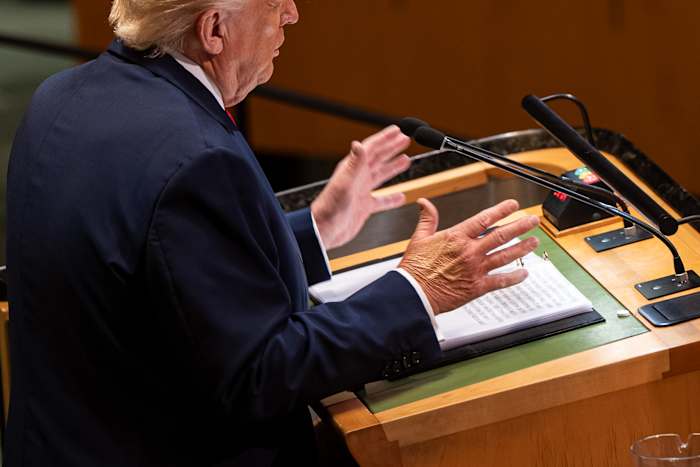
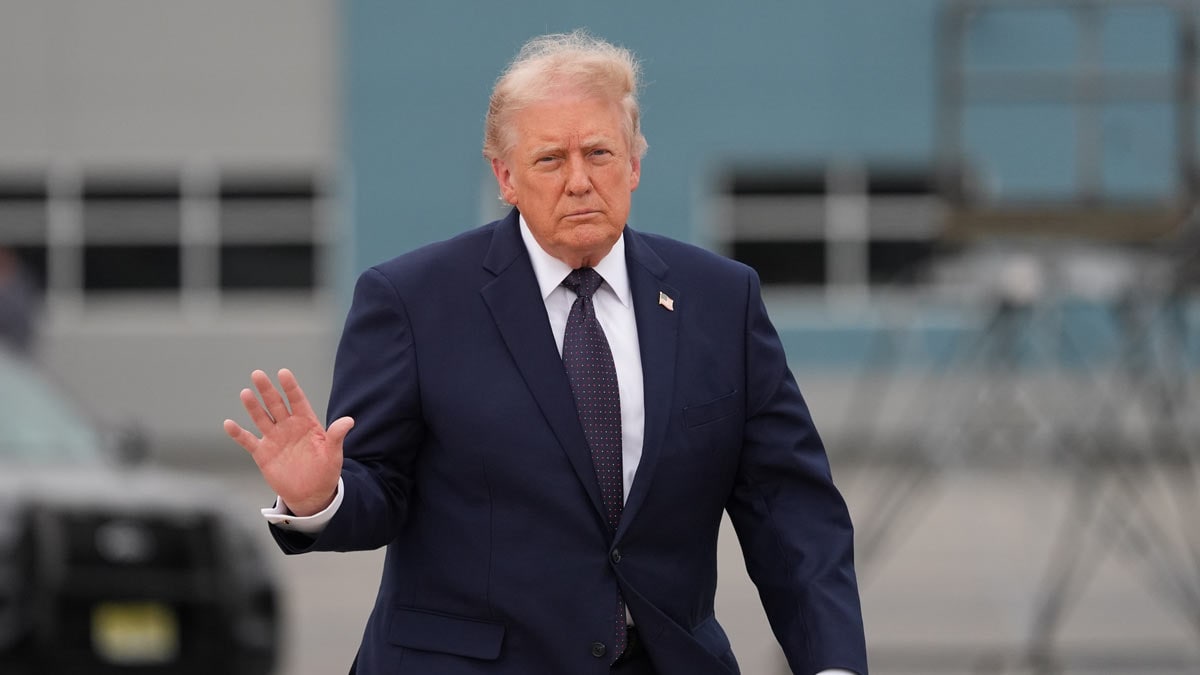
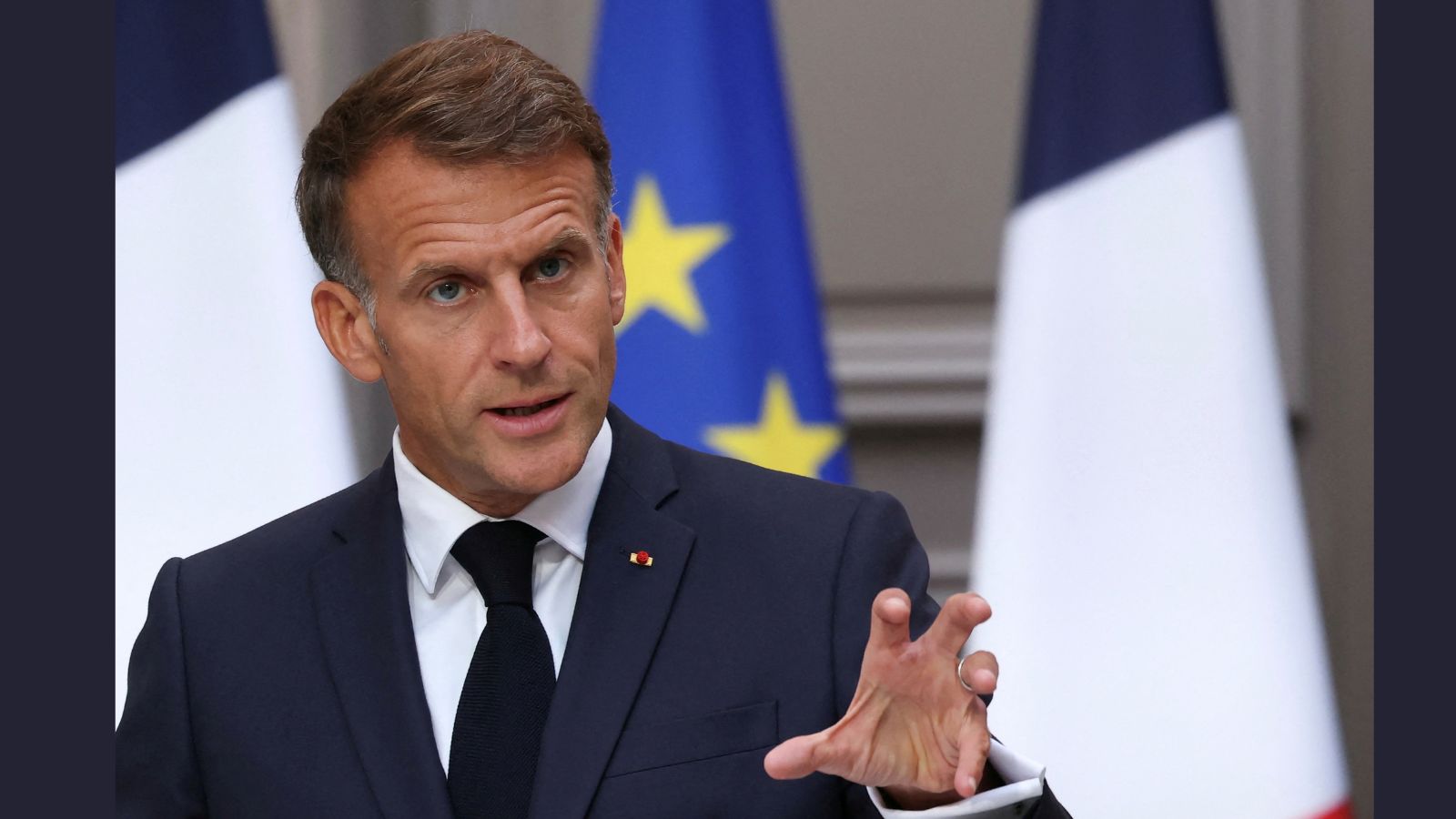
Marek’s anxiety is not an isolated tremor. It is the invisible current running through modern European stability. And it is precisely this current that French President Emmanuel Macron attempted to address when he recently revealed that he had discussed radical ideas for an energy truce with Donald Trump.
The premise sounds almost heretical to the orthodox hawks of international relations. A truce? With a nation locked in a grinding, generational war of attrition? In diplomatic circles, suggesting that Kyiv and Moscow might find a mutual interest in preserving power grids rather than blasting them to cinders is met with immediate, visceral suspicion. Does it normalize the aggression? Does it grant a breathing space to a war machine that feeds on winter?
To understand why such an idea is even whispered, you have to look at the geometry of modern infrastructure.
Warfare has evolved past the muddy trenches of the Somme, though those trenches still bleed. Today’s war is fought as much against transformers as it is against infantry. When a hypersonic missile strikes a high-voltage substation near a major urban center, it does not just plunge a military base into darkness. It plunges maternity wards, water treatment plants, and apartment complexes into a medieval existence.
This is where the concept of an energy truce enters the theater of negotiation. The logic is chillingly simple: if you freeze out my civilians, I will freeze out yours. Or, more precisely, if we continue to burn each other's power architecture to ash, the collateral damage creates a cascading humanitarian crisis that threatens to swallow the global economy whole.
Macron’s dialogue with Trump touches on a strange, transactional reality. Say what you will about the unpredictable currents of transatlantic politics, but the incoming American administration has repeatedly signaled a fierce, almost impatient desire to break the stalemate. Trump has long maintained that he could stop the fighting in twenty-four hours. Anyone who has studied foreign policy knows that peace is rarely that obedient. But the underlying impulse—the demand to shatter the status quo—creates strange alignments.
When a French centrist who speaks the careful, elevated language of European integration consults with an American populist who speaks the blunt language of real estate deals, they are circling the same terrifying void. They both recognize that a war of absolute attrition has no clean finish line.
Imagine the negotiations behind closed doors. Not the official transcripts released to wire services, but the raw, unfiltered exchanges.
"If we don't cap the escalation on energy infrastructure," a hypothetical advisor might warn, "the social fabric of Western Europe will fray before the eastern front breaks. We are looking at industrial shutdowns. We are looking at riots in capitals where people can no longer afford to heat their bakeries."
And across the table, the calculation shifts. Energy is not just a commodity; it is the blood of civilization. When oil prices spike, inflation surges, elections turn, and governments fall. A prolonged energy war is an economic civilizational suicide pact.
Critics will argue that talking about an energy truce is a form of appeasement. They will point out that Russia uses energy as a weapon, weaponizing winter long before the first tank crossed the border. They will say that you cannot negotiate rules of engagement with an adversary who views agreements as temporary inconveniences.
They are not entirely wrong. Trust is zero. Verification is impossible.
Yet, history is littered with pragmatic, unholy pauses born of sheer exhaustion. In the frozen expanse of the Eastern Front during past centuries, soldiers have occasionally lowered their rifles on Christmas Eve not because they loved each other, but because the cold was a greater enemy than the man in the opposite trench.
An energy truce, if it were ever coaxed into reality, would not look like a peace treaty. It would look like an uneasy, heavily armed ceasefire over power lines. It would mean mutual restraint over gas pipelines, electrical grids, and nuclear facilities like Zaporizhzhia—a tacit agreement that some forms of destruction are too dangerous even for total war.
Back in Slovakia, Marek pours another cup of chicory coffee. He watches the steam rise into the stale air of his kitchen. He does not know about Macron’s phone calls. He does not know about the delicate, high-stakes diplomacy crossing the Atlantic and bouncing off satellites into European capitals.
He only knows that the radiator is warm today.
And somewhere in that fragile, fleeting warmth lies the entire paradox of our era: we are tethered to global titans whose casual conversations in distant rooms determine whether millions of ordinary lives remain anchored in civilization, or drift back into the dark.