The air in the high-altitude valleys of Bolivia tastes like diesel exhaust, tear gas, and burnt rubber.
For weeks, the arteries of the nation hardened. Piles of jagged rocks, burning tires, and trunks of fallen eucalyptus trees choked the highways connecting the highlands to the lowlands. In the markets of La Paz and Cochabamba, bins that once overflowed with potatoes and corn sat empty. Trucks carrying liquid propane and vital medicines stalled on lonely stretches of asphalt, trapped behind human walls of demonstrators. Also making news in related news: Why Emergency Response Playbooks Fail During Japan Earthquakes.
The crisis did not arrive as a sudden storm. It crept in slowly, borne on the back of the worst economic fracture the country had suffered in decades. Inflation bit deep into daily wages. Families calculated whether they could afford both bread and bus fare, watching helplessly as the currency lost its footing.
Then came the state of emergency. Further details into this topic are explored by USA Today.
President Rodrigo Paz, having taken office on a promise to dismantle two decades of socialist dominance and restart a stalled economy, drew a hard line. Armored vehicles rolled onto thoroughfares. The military cleared the blockades by force, restoring a fragile, tense quiet to cities that felt like occupied zones. But the government looked at the paralyzed highways, the scarcity, and the smoke, and pointed a finger at a single, familiar address.
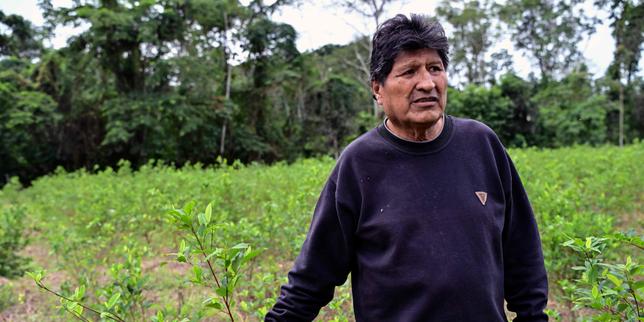
Evo Morales.
Prosecutors in La Paz issued an official arrest warrant for the former president. The charges read like a political thriller written in a minor key. Terrorism. Armed uprising. Fomenting the very mass protests that brought the country to its knees.
To understand the weight of that warrant, you have to look backward.
Imagine standing in the Chapare region in the late 1970s. Green, humid, smelling of damp earth and crushed coca leaves, this was the crucible where Morales was forged. Long before he became Bolivia’s first Indigenous president—long before he strode through presidential palaces in traditional patterned tunics—he was a union leader. He organized campesinos, fought joint U.S.-backed eradication efforts, and built a massive political machine out of the soil of rural grievances.
When he took power in 2006, he shifted the center of gravity in a nation that had long ignored its Indigenous majority. Gas revenues funded schools, hospitals, and roads. For fourteen years, his star burned hot.
But power is a heavy garment, and it rarely fits comfortably forever.
Constitutional limits were pushed, then ignored, leading to a disputed election and a chaotic exit in 2019. Yet Morales never truly left the stage. Even after returning from exile, he remained a potent, polarizing gravity well in Bolivian politics. When he broke away to form a new movement after falling out with his former allies, the fracture widened into a chasm.
Now, the man who once commanded the state finds himself retreating from it.
He is currently tucked away in his political stronghold in the Chapare. It functions less like a safe house and more like a fortress. Outside his doors, loyal coca growers stand watch, their faces set with quiet fury, warning that any attempt to take their leader will set the country ablaze.
Consider the layers of isolation closing in around him. Beyond the terrorism and uprising charges tied to the recent highway blockades, separate and deeply damaging allegations loom. Prosecutors have pursued separate legal actions involving statutory rape and human trafficking allegations stemming from his time in office. Morales denies everything, framing the entire judicial offensive as a coordinated campaign of lawfare designed by a desperate, right-wing administration to annihilate him morally and physically.
The government sees it differently. To President Paz’s administration, the rule of law must apply to everyone, even former heads of state who claim historical immunity.
The stakes go far beyond one man's freedom.
Bolivia sits at a historical crossroads. The economic model that powered the boom years has run out of steam, leaving behind a bitter scramble for resources and political survival. When leaders turn courts into battlefields and streets into barricades, ordinary citizens pay the toll.
A mother in El Alto queuing for hours for a single canister of cooking gas does not care about the ideological duel between a conservative president in the capital and an exiled socialist icon hiding in the jungle. She cares about feeding her children tonight.
As military patrols maintain their watch over the Andean passes and word travels through the grapevine in the Chapare, the tension remains palpable. The arrest warrant is signed. The troops are ready. But in a country where the mountains have witnessed centuries of upheaval, no one dares to guess what happens when the smoke finally clears.