The morning mist in the Andean valleys does not lift easily. It clings to the emerald shoulders of the mountains, rolling through coffee plantations and past rusted tin roofs like a slow, damp ghost. For generations, the sound that greeted dawn here was predictable. The sharp crow of a rooster, the scrape of a machete against whetstone, the low murmur of farmers heading out before the equatorial sun burned through the gray.
Now, the morning has a new signature. It starts as a faint, high-pitched whine, like an insect trapped inside an iron pipe.
Then comes the drop.
Death used to have a face. It wore camouflage, carried a rifle, and walked the steep, muddy trails of rural Colombia with heavy boots. You could see it coming. You could negotiate with it, hide from it, or run from it. But the modern sky trades faces for circuits.
In a remote pocket of the Colombian countryside, three soldiers woke up to that exact mechanical buzzing. They were young men—twenty-one, nineteen, twenty-three—wearing uniforms that smelled of sweat and river water. They were stationed to protect a region long caught in the crosshairs of a decades-old insurgency, a conflict that refuses to die because the geography itself conspires to keep it alive. Deep canyons, dense jungles, and porous borders make the state’s reach fragile.
For decades, the armed groups—guerrillas operating in the shadow of fractured peace accords and splintered cartels—relied on landmines, ambushes, and extortion. Those were traditional weapons of attrition. They required boots on the ground, risk, exposure.
Technology changed the math.
Consider what happens when a commercially available hobby drone, something a teenager might fly in a suburban park to film a soccer game, is retrofitted in a jungle workshop. Take off the plastic casing. Add a servo-motor. Strap a modified 40mm grenade or an improvised pipe bomb filled with shrapnel to the belly. Suddenly, a two-hundred-dollar toy transforms into an airborne sniper that respects no trench, no perimeter wall, and no warning system.
The soldiers heard it seconds too late.
There is a terrifying intimacy to dying by a drone strike in the mountains. You do not trade fire with an enemy across a clearing. You do not see the eyes of the person who pulled the trigger. You simply look up, trace the buzzing vector against the indifferent blue, and realize that the air itself has turned against you.
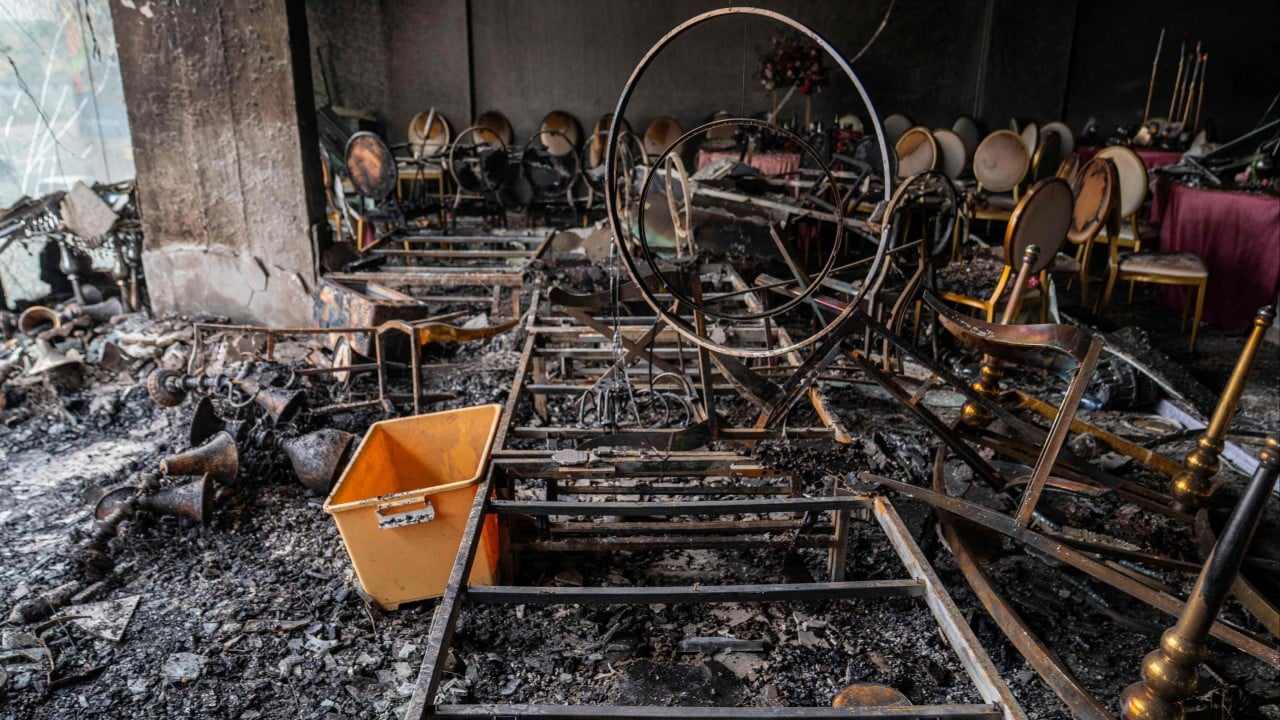
When the device detonated, it tore through the morning silence with the force of a localized earthquake. Shrapnel shredded the thin canvas of their temporary encampment. Three lives, extinguished in a fraction of a second, reduced to a casualty statistic on an evening news ticker thousands of miles away.
Military analysts call this asymmetric warfare's natural evolution. They speak in clean, sterile terms about payload capacity, GPS-denied navigation, and commercial off-the-shelf conversion rates. They draw diagrams on whiteboards. They discuss how insurgent groups from the Middle East to South America are democratizing precision air power.
They miss the blood.
Because behind every cold metric of a drone attack blamed on guerrillas killing soldiers lies the raw, jagged reality of a war that is mutating faster than the governments trying to contain it. The Colombian military, battle-hardened from a half-century of internal conflict, now finds itself scrambling to deploy electronic jamming equipment and mobile anti-drone nets in terrain where every tree is an obstacle and every valley swallows radio signals.
It is an arms race played out in miniature. On one side stands a national army with institutional weight, international supply chains, and legal frameworks. On the other side stands a decentralized network of insurgent factions who can buy components on the open internet, have them shipped to port cities, and assemble them by the light of a kerosene lamp.
The human cost of this evolution is paid entirely by the people on the ground. Not just the soldiers in the crosshairs, but the families waiting in small towns for a flag-draped coffin to arrive on a rattling bus. It is paid by the campesinos who watch the sky with growing dread, knowing that the hum overhead might be a crop-duster, a stray bird, or a falling metal death.
War has always been cruel. But there is a distinct, chilling cowardice in an attack launched from behind a ridge line a mile away, orchestrated by someone tapping a tablet screen while sipping sweet coffee. It strips away the last remaining illusion of valor that once clung to the ragged edges of guerrilla combat.
The mountains remain. The mist still rolls down the steep green slopes at dawn, indifferent to the history carved into its soil. But the air above the valleys is permanently altered. Every buzzing insect, every stray vibration in the wind, now carries the weight of a potential strike. The soldiers still patrol those trails, their eyes cast upward, searching the clouds for a shadow that doesn't belong.