The morning air in Gaza usually smells of sea salt and diesel. It is a thick, humid scent that clings to the back of your throat. On a Tuesday near a neighborhood mosque, that scent changed. It became the metallic tang of heated iron and the scorched, dry smell of pulverized concrete.
There is a specific sound a drone makes. It is not the roar of a jet or the rhythmic thud of a helicopter. It is a high-pitched, persistent whine. A mechanical hornet. In the moments before the strike near the Al-Khalidi mosque, that sound was the only thing filling the silence of a street where people were simply trying to exist. If you enjoyed this article, you might want to read: this related article.
We talk about conflict in numbers. We count the dead. We tally the wounded. But the numbers are a lie because they suggest an end to the story. They suggest that once the missile finds its mark, the event is over. It isn't. The event ripples outward, tearing through the social fabric of a block, a family, and a city.
The Geography of a Moment
The strike hit a group of Palestinians gathered in the vicinity of the mosque. In the dry language of military reports, these are often described as "targets" or "collateral." To the people on the ground, they were men with names, brothers with histories, and sons who had likely spent their morning wondering where to find clean water or a piece of bread that wasn't stale. For another angle on this development, see the recent update from TIME.
Imagine standing there. Your feet are planted on a pavement that has been cracked by years of heat and previous vibrations. You are talking to a neighbor. Maybe you are discussing the price of flour. Maybe you are just standing in the shade of a wall, seeking a brief reprieve from a sun that feels like a physical weight. Then, the sky breaks.
A drone strike is a surgical horror. It is precise in its destruction and indiscriminate in its psychological trauma. When the missile reached its destination near the mosque, the world didn't just explode. It folded in on itself. The shockwave reached out and grabbed the lungs of everyone nearby, squeezing the breath out of them before the sound even registered.
The dust didn't rise; it erupted. It turned the morning into a grey, choking twilight. When the cloud settled, the street was no longer a place of transit. It was a site of witness.
The Mechanics of the Invisible
To understand why this happens, you have to understand the technology of distance. The pilot of that drone was not in Gaza. They were likely miles away, perhaps in a cooled room, looking at a screen that renders human beings as thermal heat signatures. On that screen, a person is a glowing white blob. A mosque is a geometric shape.
This is the fundamental disconnect of modern warfare. It removes the sensory reality of the kill. There is no smell of blood in a control room. There is no sound of a mother screaming from a monitor. There is only the objective and the confirmation.
But for those on the street, there is nothing abstract about it. They see the physical reality of what a high-velocity projectile does to a human body. They see the way a shoe is left behind in the middle of the road, perfectly intact, while its owner is gone. They see the scorched marks on the mosque walls, little scars on a house of God that serve as a reminder that nowhere is truly off-limits.
The Weight of the Aftermath
People rushed toward the site. In Gaza, this is a reflex. When an explosion happens, you don't run away; you run toward. You run to see if it was your cousin. You run to see if you can pull someone from the wreckage. You run because, in a place where death is a constant neighbor, the only thing you have left is the person standing next to you.
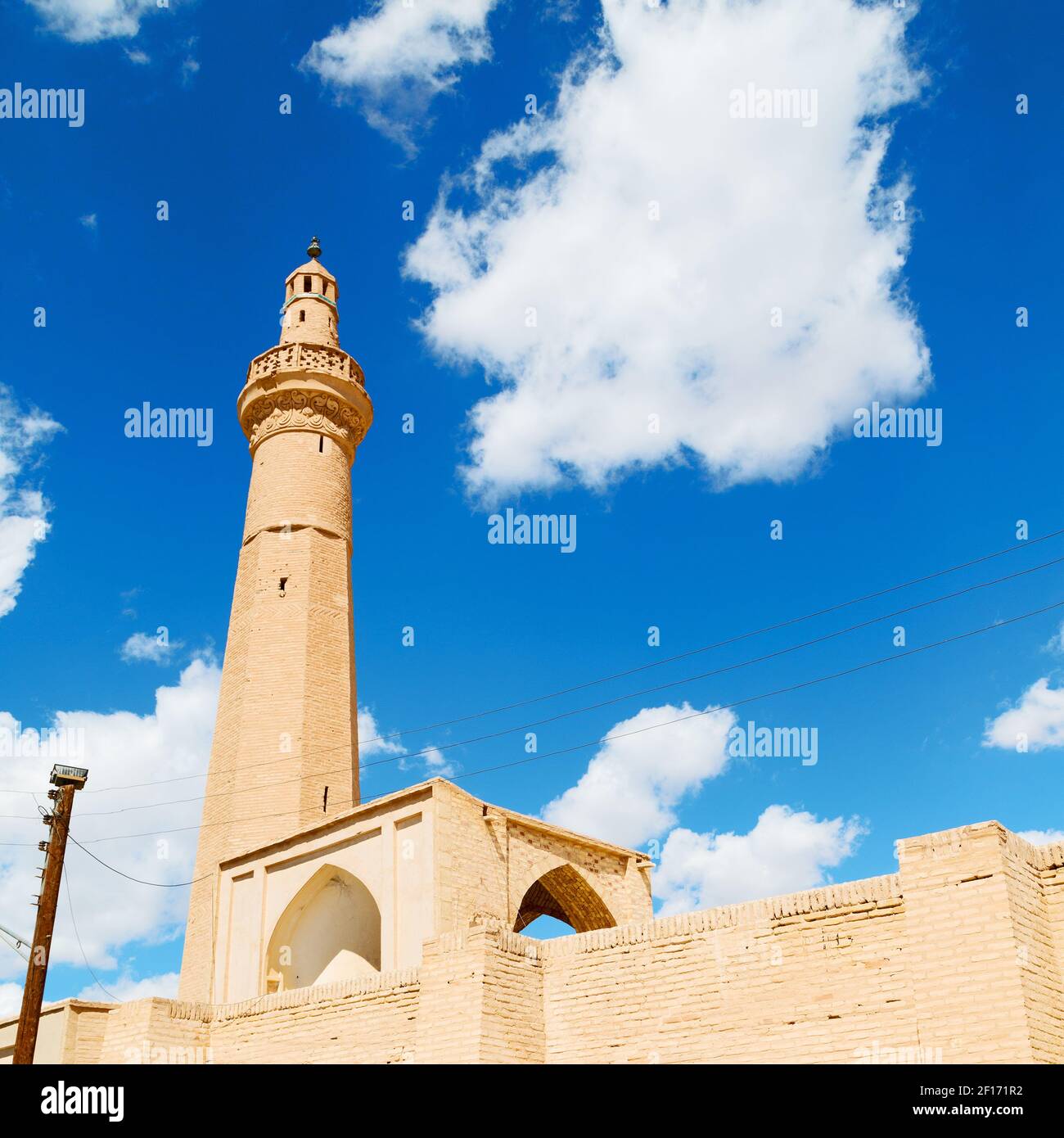
The ambulances arrived, their sirens wailing a dissonant chord against the backdrop of the mosque's minaret. The workers moved with a practiced, grim efficiency. They have done this a thousand times. They know how to lift a body without looking at the face until they have to. They know how to sweep the glass.
But who sweeps the memory?
The strike near the mosque didn't just kill people; it killed the sense of the sacred. A mosque is supposed to be a sanctuary. Even the area around it carries an unspoken promise of peace. When that area becomes a killing ground, the promise is broken. The geography of the city changes. That corner is no longer "near the mosque." It is "where the drone hit."
The Cycle of the Unseen
We are told these strikes are necessary. We are told they are part of a larger strategy to ensure security. But security is a fragile thing when it is built on the rubble of someone else's neighborhood. Every time a drone fires a missile into a crowded area, it isn't just eliminating a threat. It is sowing a new kind of harvest.
Consider a child watching from a window three houses down. He doesn't see a strategic objective. He sees a cloud of fire where his uncle used to stand. He feels the windows of his home rattle and break. He learns, at a primal level, that the sky is a source of danger. That lesson stays. It settles into the bone. It turns into a cold, hard knot of resentment that no peace treaty can easily untie.
The logic of the drone is the logic of the vacuum. It assumes that if you remove a piece from the board, the game gets simpler. But life isn't a game, and Gaza isn't a board. It is a living, breathing organism. When you cut it, it bleeds. And that blood seeps into the soil, feeding a narrative of endurance and retribution that has been running for decades.
Beyond the Tally
By the time the sun began to set over the Mediterranean, the street near the mosque was quiet again. The bodies were in the morgue. The wounded were in overcrowded hospitals where the floors are often as occupied as the beds. The news cycle had moved on to the next headline, the next political statement, the next regional tension.
But for the families in that neighborhood, the day was just beginning. They had to go home to rooms that felt too empty. They had to explain to children why the loud noise happened. They had to wash the dust out of their clothes—dust that carried the DNA of their neighbors.
This is the human element we ignore when we read a headline about a drone attack. We ignore the sheer, exhausting labor of grief. We ignore the way a community has to stitch itself back together, stitch by stitch, only to wait for the next hum in the sky to start the process all over again.
The minaret still stands. It casts a long shadow over the spot where the missile landed. In that shadow, life continues, but it is a life lived in a minor key. It is a life where eyes are constantly flickering upward, checking the clouds, listening for that mechanical hornet, wondering if the next moment of silence is the one that will break.
Truth is not found in the official report. It is found in the dirt. It is found in the way a man grips the hand of his brother's corpse. It is found in the silence that follows the siren.
The sky remains blue. The drone remains invisible. The grief remains total.



/200199910-001-58b9cf5c5f9b58af5ca83533.jpg)