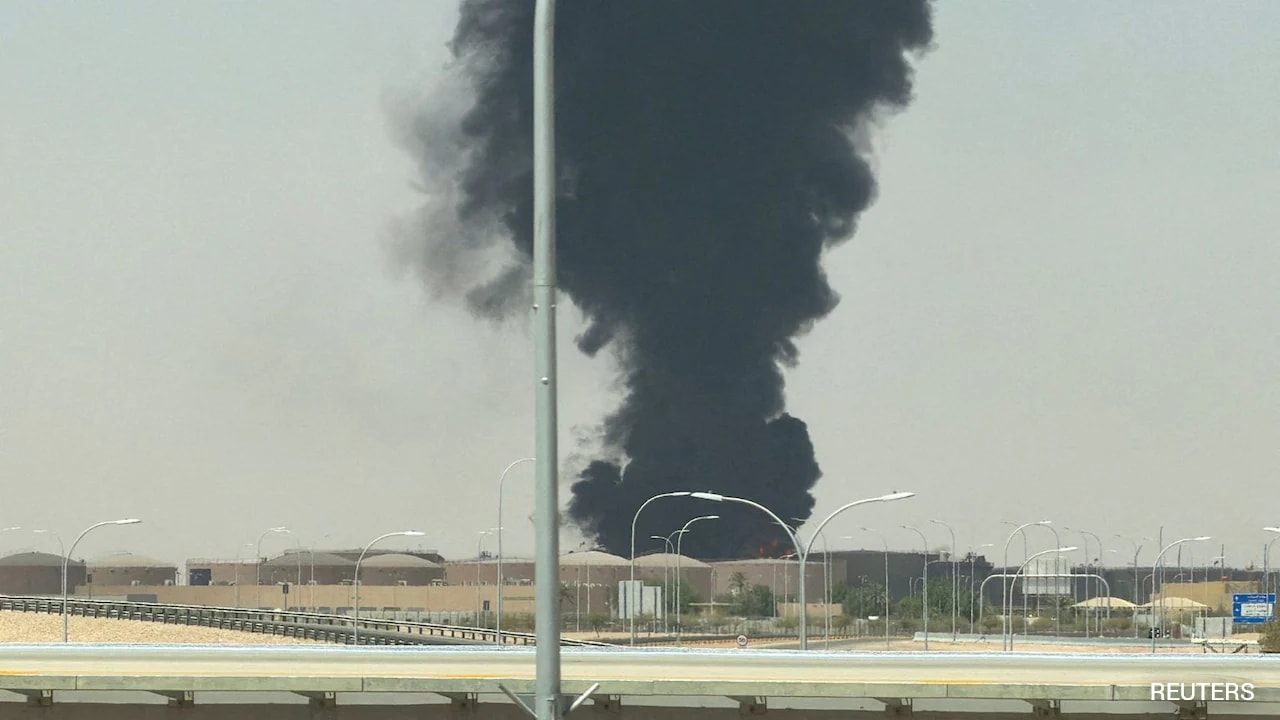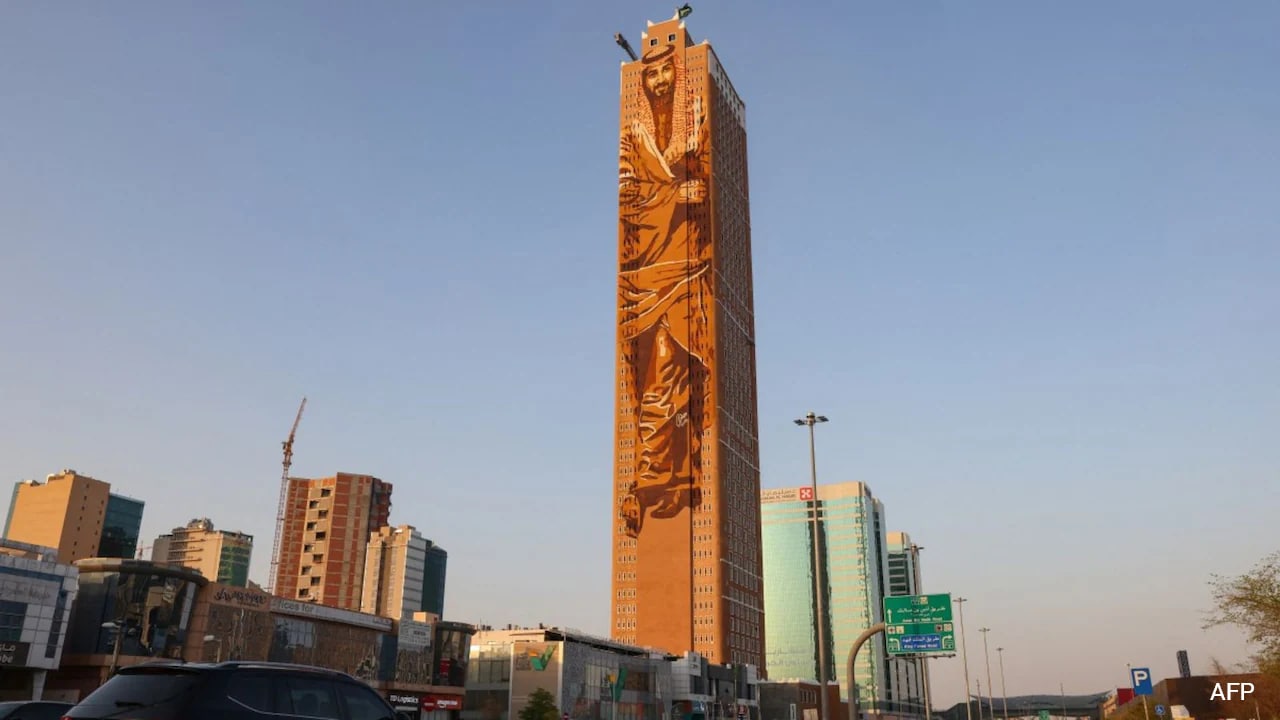
The sirens did not sound like a drill. They tore through the midnight desert air above Riyadh with an urgency that stripped away years of diplomatic theater, reminding millions of residents that the quiet holding the Saudi capital together was fragile glass. When the first formal air raid alert echoed across the city following a sudden escalation in hostilities with Yemen, the illusion of insulated economic transformation dissolved. For months, the narrative coming out of the Kingdom centered on mega-projects, tourism boards, and foreign direct investment. Towers rose in the skyline while the southern border was treated as a managed risk rather than an active wound. That illusion is gone.
Understanding why this alarm matters requires looking past the immediate tactical exchange and examining the anatomy of the stalled peace process. The conflict next door never truly ended; it merely mutated. While formal ceasefire negotiations between Riyadh and the Houthi movement in Sanaa made progress in previous years, the underlying architecture of a permanent settlement remained unbuilt. Local factions retained their arsenals, supply lines adapted to years of blockade and evasion, and regional deterrence proved porous. When the delicate balance of containment fractures, the distance between a skirmish in the southern provinces and a ballistic trajectory toward the financial heartland shrinks to zero.
Strategic vulnerability is the silent partner of rapid national modernization. Riyadh has staked its international reputation on being a safe harbor for global capital, a place where sovereign wealth funds and multinational corporations can build the future without looking over their shoulders. Air defense batteries, primarily Patriot and THAAD systems, perform thousands of silent calculations daily to preserve that reputation. Yet interceptor mathematics tells a sobering story. Defending a vast urban perimeter against asymmetric threats requires a hundred-percent success rate every single night, while an adversary needs only one lucky vector to pierce the shield and achieve a strategic effect that reverberates across global energy markets.
The geopolitical chessboard has shifted beneath the feet of the kingdom's planners. Traditional security guarantees from Western allies carry a distinct hesitation today that was absent a decade ago. Riyadh has adapted by diversifying its diplomatic portfolio, engaging in rapprochement with regional rivals, and seeking multiple diplomatic touchpoints to insulate itself from external shocks. But foreign policy maneuvers in luxury hotels cannot substitute for a stable domestic perimeter. The resumed hostilities in Yemen demonstrate that regional actors can still inject chaos into the Saudi domestic sphere whenever negotiations stall or external patrons adjust their leverage.
Economic ramifications follow every red alert. Crude futures react instantly to the sound of explosions near critical infrastructure, even when damage is minimal or non-existent. Investors watch insurance premiums on shipping and regional operations tick upward with every intercepted projectile. The core paradox of the current Saudi strategy is that massive economic diversification requires regional stability, yet the pursuit of that transformation has often forced Riyadh into complex military entanglements that defy clean exits. You cannot build a futuristic cognitive city on a foundation of unaddressed security dilemmas.
Military analysts tracking the mechanics of these cross-border strikes point to the proliferation of low-cost, long-range loitering munitions and modified ballistic systems. These technologies democratize destruction. Non-state actors possess capabilities that once belonged exclusively to major powers, allowing them to project force hundreds of miles inland with terrifying precision. Countering this threat demands more than sophisticated interceptors; it requires dismantling the logistical networks that feed the workshops thousands of miles away.
Diplomacy in the region has always operated on a different clock than modern commerce. Where business executives measure quarters and project deadlines, militia leaders and regional powerbrokers measure leverage in generations and grievances. Riyadh found that out the hard way when quiet backchannel talks hit a wall over revenue sharing, institutional control, and the status of armed groups. Every time a political compromise stalls, the tactical commanders take over the calendar.
The sirens in Riyadh served as a harsh wake-up call to anyone who believed the kingdom had permanently transcended its geopolitical neighborhood. Geography remains an unforgiving master. No amount of glass and steel can completely isolate a capital from the wars burning along its periphery. As diplomatic channels strain and military postures harden once more, the kingdom faces the difficult task of reconciling its ambitious global vision with the messy, violent reality of its own backyard.