The moral panic over "killer kitchens" has officially reached a fever pitch. Regulators are circling engineered stone like sharks in a bloody pool, convinced that banning a slab of bathroom vanity will somehow magically solve a century-old industrial hygiene crisis. It is a classic bureaucratic bait-and-switch. By focusing on the product, we are ignoring the process. By demonizing the material, we are giving a free pass to the negligent shop owners and the failed inspection regimes that actually killed these workers.
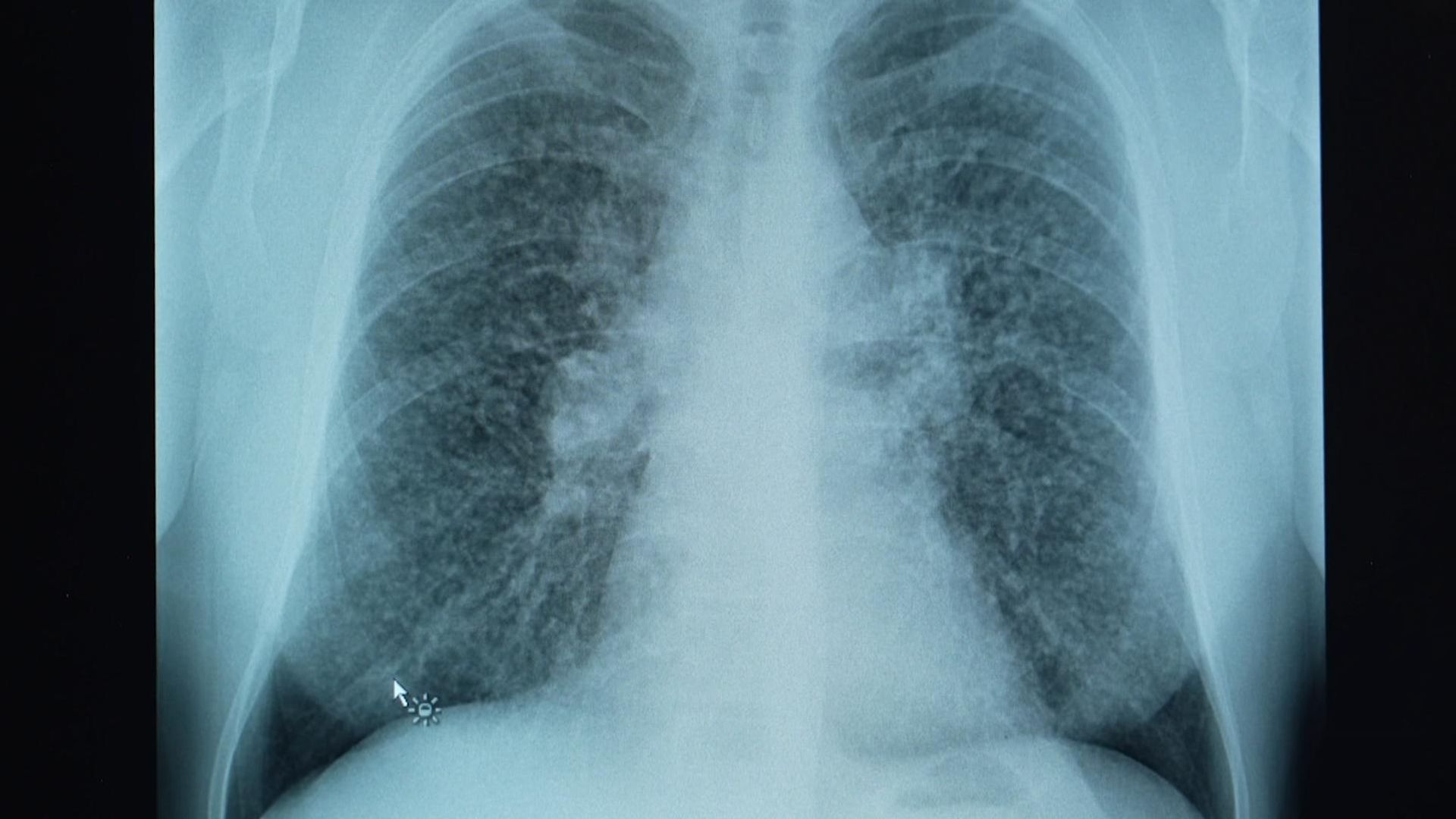
Engineered stone—the composite material used in millions of modern kitchens—contains high concentrations of crystalline silica. When workers cut it dry, they breathe in a fine dust that scars the lungs, leading to silicosis. It is a horrific, preventable disease. But here is the inconvenient truth the ban-happy crowd won’t tell you: silica is everywhere. It is in the granite you think is "safe." It is in the concrete on your driveway. It is in the bricks of your house.
Banning engineered stone to stop silicosis is like banning cars to stop speeding. It addresses the medium, not the behavior. If we ban the slab but keep the same dusty, unregulated backyard workshops, we haven't saved lives. We’ve just shifted the death toll to the next trendy material.
The Myth of the Safe Natural Stone
The current narrative suggests that natural stone is the virtuous alternative to "toxic" engineered products. This is scientifically illiterate.
While engineered stone often contains upwards of 90% silica, natural granite can contain up to 50%. Quartzite, a darling of high-end interior designers, frequently hits the 95% mark. If the "killer" is the silica content, then every luxury kitchen in the country is a crime scene.
Yet, we don't see headlines calling for a ban on quartzite. Why? Because it’s more expensive. Because it carries an aura of "natural" purity. In the world of regulatory theater, "natural" is a shield that deflects logic.
The danger isn't the percentage of silica in the slab; it’s the concentration of respirable dust in the air. A worker cutting granite dry in a poorly ventilated shed is at a significantly higher risk than a worker cutting engineered stone with high-flow water suppression and a fitted N95 or P3 respirator. We are hyper-focusing on the recipe while the kitchen is on fire.
The Industrial Hygiene Failure Nobody Admits
I have spent years inside fabrication shops. I have seen the "battle scars" of an industry that grew too fast for its own good. The reality on the ground is grim, but not for the reasons you think.
The rise of silicosis cases in the last decade isn't a "new" phenomenon caused by a "new" product. It is the result of a total collapse in workplace safety enforcement. For years, small-scale fabricators have operated under the radar, ignoring "wet cutting" requirements because water is messy and expensive to manage. They skip vacuum extraction because it eats into their margins. They hand out cheap surgical masks instead of conducting proper fit tests for respirators.
When you ban a product, you create a black market or a shift to equally dangerous substitutes. When you enforce safety standards, you actually protect people.
The "lazy consensus" says the product is too dangerous to exist. The nuanced reality is that the industry’s labor practices are too dangerous to continue. If a shop cannot cut engineered stone safely, they cannot cut granite safely. They cannot cut porcelain safely. They are a danger to their employees regardless of the invoice. By focusing on the ban, regulators are essentially saying, "We’ve given up on making shops safe, so we’ll just dictate what people can buy."
The Economic Mirage of the Ban
Let’s talk about the "People Also Ask" favorite: "Is my existing kitchen dangerous?"
The answer is a flat no. Silica dust is only dangerous when it is airborne and microscopic. Once that slab is sitting in your house, it is inert. It is essentially a piece of glass.
But the ban-proponents love the fear. Fear drives clicks, and fear drives policy. If we ban engineered stone, the price of kitchen renovations will skyrocket. The demand will shift to natural stone, increasing the mining pressure in countries with even lower safety standards than ours. We will be exporting the silicosis crisis to India, Brazil, and China, then patting ourselves on the back for "cleaning up" our domestic market.
This is the "not in my backyard" approach to occupational health. It is hollow, hypocritical, and effectively racist in its global implications.
Why "Wet Cutting" Isn't Enough
The pro-industry side often argues that "wet cutting" is the silver bullet. They’re wrong too.
Water suppression reduces dust by about 90%, but in a high-volume shop, that remaining 10% is still enough to kill over a twenty-year career. A "contrarian" view that actually values life recognizes that we need a multi-layered defense:
- Automated CNC Machinery: Remove the human from the immediate vicinity of the cut.
- Mandatory Licencing: If a shop isn't certified for high-silica fabrication, they don't get to buy the slabs. Period.
- Real-Time Air Monitoring: Not a clipboard check once a year. Constant, digital monitoring that shuts down the power if dust levels spike.
These solutions are hard. They require investment. They require actual policing. A ban is easy. It’s a stroke of a pen that allows politicians to look like heroes while the fundamental problem—the exploitation of low-wage labor in unsafe conditions—continues unabated in the natural stone and construction sectors.
The Ghost of Asbestos
Everyone loves to compare engineered stone to asbestos. It’s a convenient, scary analogy. But it’s fundamentally flawed. Asbestos is dangerous because the fibers are friable and can become airborne through simple age or minor disturbance. Crystalline silica in a countertop is locked in a resin matrix.
The comparison isn't just inaccurate; it's a distraction. We are treating a manufacturing hazard as if it were a consumer hazard. This confusion leads to "solutions" that do nothing for the workers. If we treated the garment industry the way we’re treating the stone industry, we’d ban cotton because textile workers get byssinosis (brown lung). We don't do that. We regulate the mills.
Stop Fixing the Product, Start Fixing the Shop
If you actually care about the lives of tradespeople, stop asking which countertop is "safest." Start asking which fabricator is safest.
The industry insiders know which shops are the "death traps." They’re the ones offering the lowest quotes. They’re the ones finishing jobs in 48 hours. They’re the ones where the floor is covered in white slurry and the air smells like a rock quarry.
When you go for the cheapest quote, you are often subsidizing a lack of safety equipment. You are paying for the silicosis of the man who cut your island bench.
The "controversial" truth is that we don't need fewer products. We need fewer shitty businesses. We need to shut down the operators who treat respirators as an optional expense. We need to stop pretending that natural stone is a "clean" alternative when it’s just a different shade of the same risk.
If we ban engineered stone tomorrow, the silicosis cases won't stop. They will just start coming from the guys cutting the "safe" granite replacements. The dust doesn't care about the brand name on the slab. It only cares about the lungs it can reach.
Stop falling for the regulatory theater. Demand a licensed, audited, and strictly enforced fabrication industry. Anything else is just moving the bodies to a different pile.
Pick up the phone, call your regulator, and ask why the shops are still open, not why the stone is still for sale.