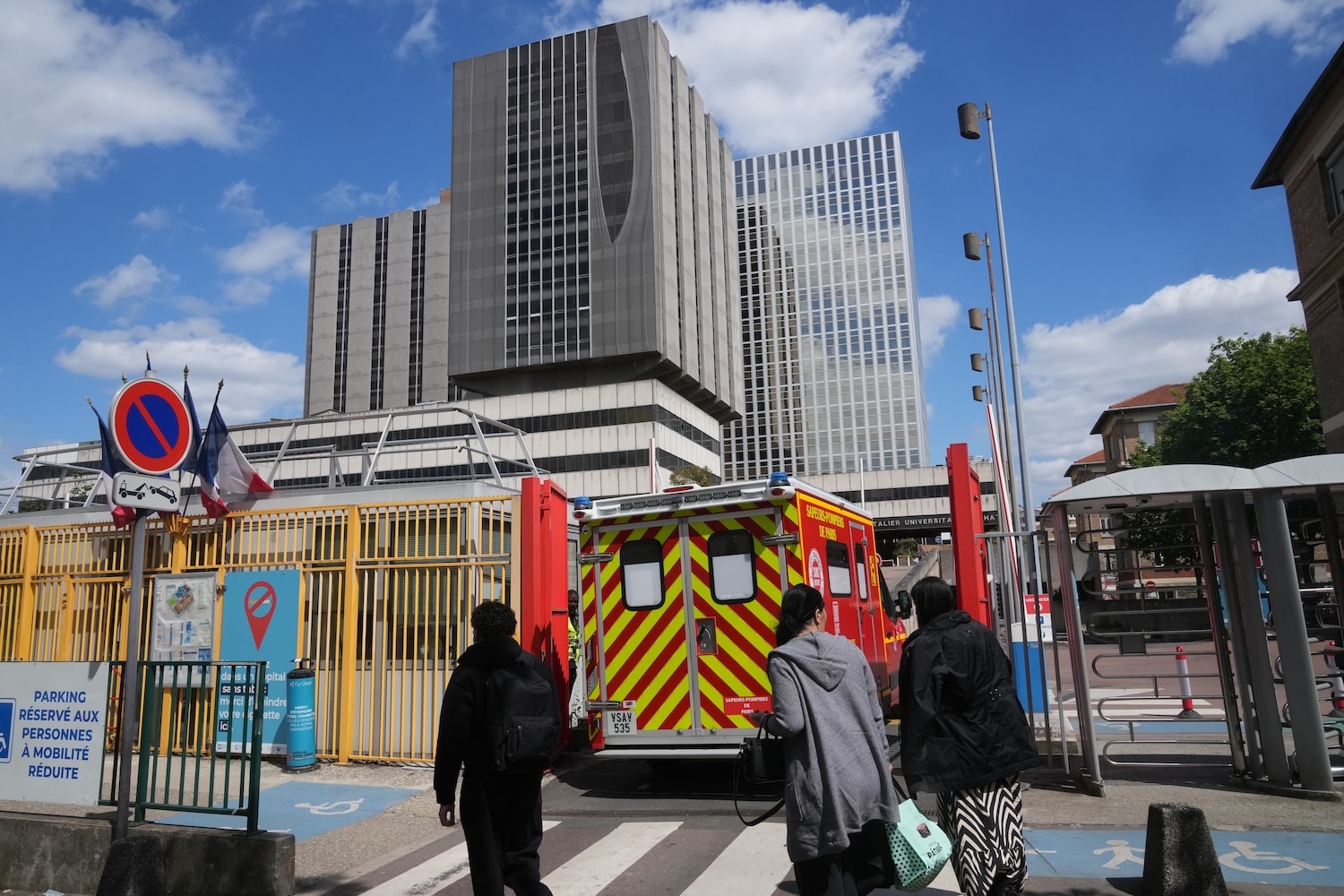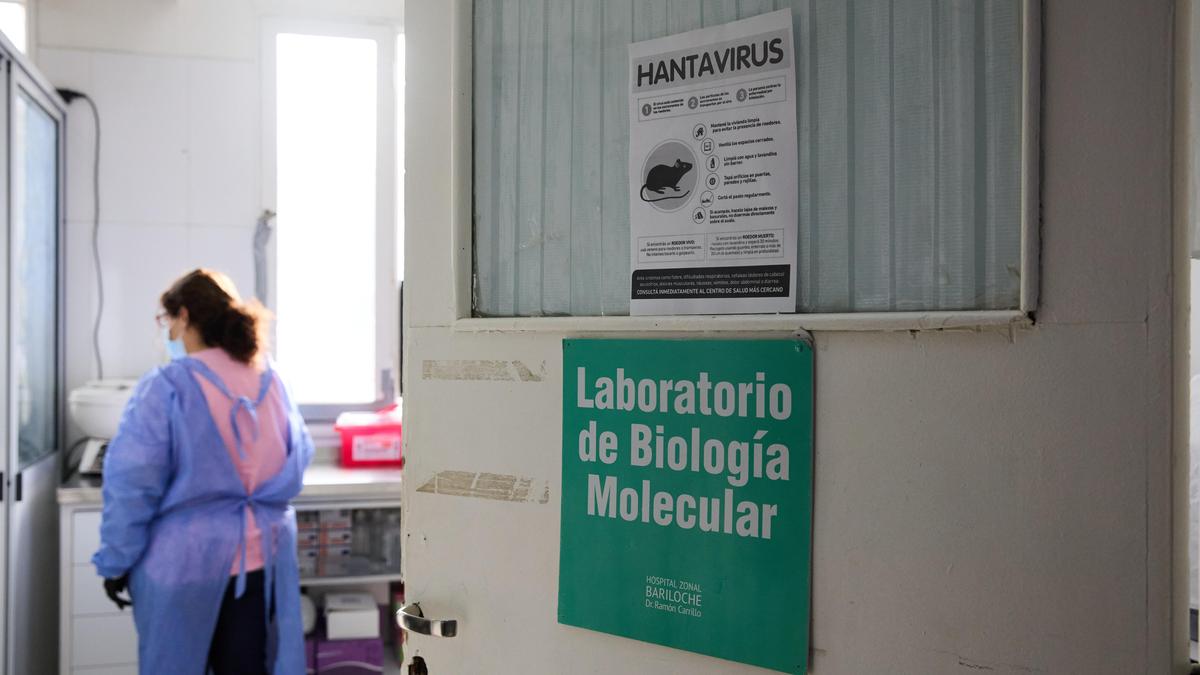
A single patient in France is currently fighting for survival, tethered to an extracorporeal membrane oxygenation (ECMO) machine. This device serves as an artificial lung, pulling blood from the body, scrubbing it of carbon dioxide, and pumping it back in with fresh oxygen. The culprit is not a headline-grabbing variant of a common respiratory virus, but a hantavirus. Specifically, this individual is suffering from a condition that effectively turns the body’s own immune response into a weapon against the pulmonary system. While the public eye remains fixed on global pandemics, this isolated case in France serves as a brutal reminder of the pathogens that live in our walls and beneath our floorboards.
Hantaviruses are not new, but they are increasingly aggressive as human development pushes further into the natural habitats of rodents. In Europe, the Puumala virus is the most common strain, typically causing a mild to moderate kidney-focused illness. However, the case currently under clinical observation involves a much more severe manifestation. When the virus jumps from a bank vole or a field mouse to a human, the stakes are dictated by the viral load and the host's genetic lottery. This patient represents the worst-case scenario. In other news, take a look at: The Brutal Truth About Hantavirus Fears and the Long Haul Home.
The Mechanics of a Hidden Threat
Hantavirus Pulmonary Syndrome (HPS) begins with the mundane. It starts with a fever, muscle aches, and fatigue that anyone would mistake for a seasonal flu. But the clock is ticking. After a few days, the lungs begin to fill with fluid. This is not a typical pneumonia caused by bacterial infection. Instead, the virus attacks the endothelial cells—the lining of the blood vessels. As these vessels become "leaky," fluid escapes into the alveolar spaces of the lungs.
The patient stops breathing because their lungs are literally drowning from the inside out. CDC has also covered this important topic in great detail.
The use of ECMO in this French case indicates that standard mechanical ventilation has failed. When a ventilator can no longer push enough oxygen through the fluid-filled tissue, the artificial lung is the final line of defense. It is a resource-intensive, high-risk intervention that very few hospitals can maintain for extended periods. The fact that medical authorities have escalated to this level of care highlights the severity of the inflammatory cascade triggered by the virus.
Why the Rural Border is a Danger Zone
We have spent decades sanitizing our urban environments while ignoring the shifting dynamics of rural ecology. The transmission of hantavirus is remarkably simple and terrifyingly efficient. It does not require a bite. The virus is shed in the urine, droppings, and saliva of infected rodents. When these waste products dry, they become airborne. A homeowner sweeping out a dusty shed or a hiker clearing brush in a forested area inhales these invisible particles.
France has seen a steady uptick in "spillover" events. This is largely driven by "mast years"—seasons where trees like oak and beech produce an overabundance of seeds. This creates a population explosion among rodents. More mice lead to more viral shedding. When winter hits, these rodents seek warmth in human structures.
The current crisis is a direct result of our failure to respect the boundaries of the "peri-urban" interface. We are building homes in the middle of ancient viral corridors. We treat the presence of a mouse in the attic as a nuisance rather than a biological hazard. This nonchalance is what lands people on life support.
The Diagnostic Gap
One of the biggest hurdles in managing hantavirus is the delay in identification. Most general practitioners in Europe rarely see a case of HPS. They see coughs and fevers. By the time a patient develops the signature "shortness of breath" that signals pulmonary edema, they are often hours away from total respiratory collapse.
There is no "cure" for hantavirus. There are no specific antivirals that have proven effective once the pulmonary phase begins. Treatment is entirely supportive. You keep the heart beating and the blood oxygenated and hope the patient's immune system can eventually clear the wildfire. In this French case, the medical team is essentially buying time.
Critical Prevention Steps often Overlooked
- Wet Cleaning Only: Never sweep or vacuum rodent droppings. This kicks the virus into the air. Use a bleach solution to soak the area before wiping it up with a damp cloth.
- Airflow is Vital: If you are entering a cabin or shed that has been closed for the season, open all doors and windows and leave the area for at least thirty minutes before working.
- Personal Protective Equipment: A standard surgical mask is useless against aerosolized viral particles. If you are in a high-risk area, an N95 respirator is the minimum requirement.
The Global Context of a Local Crisis
While France deals with this specific emergency, the broader implications are troubling. Climate shifts are altering the breeding cycles of the rodents that carry these viruses. Warmer winters mean higher survival rates for carriers. We are seeing hantavirus cases appearing in regions where they were previously unheard of.
The French health authorities are currently tracing the patient’s recent movements to determine the point of exposure. Was it a workplace? A private residence? A public park? Identifying the "hot zone" is essential to prevent a cluster of cases. If one person inhaled a concentrated dose of the virus, others in the vicinity are likely at risk.
The tragedy of hantavirus is that it is almost entirely preventable through basic environmental hygiene and awareness. We don't need a breakthrough vaccine to stop these deaths; we need a fundamental change in how we interact with the wildlife that lives on the edges of our property.
The patient in the hospital is currently a statistic in a medical journal, but they are also a warning. As long as we continue to ignore the biological reality of rural living, the ECMO machines will stay busy.
The next time you see signs of a rodent in your home, do not reach for a broom. Reach for the disinfectant and a mask. Your life may quite literally depend on not stirring the dust.