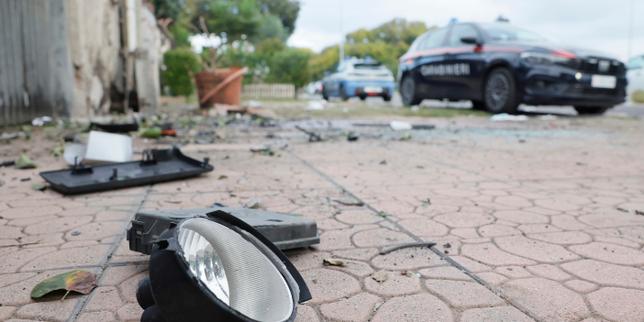
Another arrest makes the wires. Another wave of solemn editorials rolls across European media desks, mourning the fragility of the press and wagging fingers at the dark forces targeting prominent investigative reporters like Sigfrido Ranucci. The narrative writes itself: brave journalist faces explosive threats, police catch a lackey, public gasps, system congratulates itself for functioning.
It is a comforting script. It is also entirely wrong.
Focusing on the hired muscle or the amateur bombers misses the structural reality of how modern information gets neutralized. I have spent two decades watching media operations from the inside, tracking how power actually protects itself. When a journalist of Ranucci’s caliber—heading a powerhouse like Report on Italian public television—becomes the target of a bomb plot, the lazy consensus assumes we are witnessing a throwback to the mafia-style intimidation tactics of the past.
We are not. We are watching the noisy distraction while the quiet mechanics of control operate completely unbothered.
The Comforting Illusion of the Lone Operative
Every time an explosive device is planted or an arrest is made in high-profile journalistic intimidation cases, the media establishment rushes to personalize the threat. They treat it as an anomaly, a breakdown in public order caused by a few bad actors operating outside the lines.
This view relies on a fundamental misunderstanding of institutional power. Real institutional capture does not need to resort to clumsy roadside explosives. In fact, clumsy violence is usually a sign of desperation or rogue freelance elements, not systematic efficiency. When powerful financial or political entities want to silence an investigative unit, they do not risk a car bomb that triggers state investigations and generates global sympathy. They use litigation, coordinated advertising boycotts, ownership consolidation, and preemptive legal pressure.
Sigfrido Ranucci knows this better than anyone. Yet, the public discourse reduces his daily battle to a Hollywood thriller about good reporters versus cartoonish villains with detonators.
Look at the mechanics of the recent arrests surrounding the threats against him. Law enforcement agencies deserve credit for tracking down suspects, but the obsession with the physical perpetrator obscures the environment that manufactured the hostility in the first place. By turning a systemic crisis of information control into a true-crime drama, we allow the political and economic structures that loathe accountability to pose as defenders of the free press the moment an arrest is announced.
Why Physical Violence is the Least Effective Form of Censorship
Let us look at the data on journalistic suppression across Western democracies over the last decade. Physical attacks, while horrifying and deserving of severe legal consequences, rarely achieve the objective of shutting down a major investigative outlet. If anything, they backfire spectacularly. They drive ratings up, secure institutional protection, and turn the targeted reporter into a national martyr with an ironclad platform.
Imagine a scenario where a corporate conglomerate faces a devastating exposé by a premier investigative program. The executives have two choices. They can deploy thugs with explosives—guaranteeing a massive public backlash, immediate police intervention, and relentless follow-up reporting by every newsroom in the country—or they can quietly tie the broadcaster up in strategic lawsuits against public participation, pressure regulatory bodies, and squeeze the network budget until investigative resources dry up from sheer administrative exhaustion.
Which method do you think wins boardrooms?
The obsession with physical threats keeps us looking backward at nineteenth-century intimidation tactics while twenty-first-century censorship goes completely unpunished. The real threat to Report and similar programs is not a disgruntled bomber in the shadows; it is the slow, legal, financial starvation of independent inquiry by entities wearing expensive suits and holding legitimate court injunctions.
The Complicity of the Media Echo Chamber
When headlines scream about bomb plots and subsequent arrests, mainstream outlets run identical opinion pieces about the sanctity of the fourth estate. These pieces are emotionally resonant and practically useless. They treat journalism as an abstract moral crusade rather than an adversarial industry operating within ruthless political and economic markets.
I have seen media budgets slashed and investigative teams gutted not by bomb blasts, but by corporate restructuring designed to appease advertisers who happened to be the subjects of pending investigations. No one gets arrested for that. No heroic police sirens wail in the night. There is just a quiet memo, a canceled segment, and a reporter sidelined under the guise of editorial reorganization.
By focusing entirely on the criminal fringe—the individuals planting devices or making explicit death threats—the press gives a free pass to the respectable actors who weaponize the legal system every single day. The Italian judicial system acts decisively when a physical bomb is involved because physical violence violates the foundational monopoly on force that the state relies upon. But the same judicial system routinely punishes journalists through aggressive defamation suits filed by wealthy plaintiffs with bottomless pockets.
Where is the daily outrage for the chilling effect of multi-million-euro civil suits? Where are the banner headlines when a freelancer is bankrupted by a single strategic lawsuit designed to bleed them dry before they ever reach a courtroom?
They are buried on page twelve, if they appear at all, because they lack the cinematic appeal of a bomb squad securing a perimeter.
Redefining the Battleground
If we want to protect investigative journalism, we must stop playing the game on the terms set by our adversaries. Cheering for an arrest in a high-profile intimidation case feels good, but it is the equivalent of popping aspirin to cure a brain tumor. It treats the symptom while ignoring the pathology.
Protecting reporters requires systemic reform that the establishment consistently resists. It means enacting robust anti-SLAPP legislation across Europe that punishes frivolous, intimidation-based lawsuits with severe financial penalties for the plaintiffs. It means insulating public broadcaster funding from political interference so that editorial independence cannot be traded away behind closed doors in exchange for board appointments. It means recognizing that the most dangerous enemies of a free press do not wear balaclavas; they wear judicial robes and corporate titles.
Sigfrido Ranucci will keep broadcasting, and investigators will keep chasing the peripheral actors who leave physical trails. But until we redirect our fury toward the legal and financial mechanisms of censorship that operate in broad daylight, every arrest headline will remain what it truly is: a distraction ensuring the real power structures remain untouched.